

Meditation has become one of the most talked-about practices for improving mental clarity, reducing stress, and enhancing overall well-being. Yet for many beginners, it can feel confusing or even intimidating. You may wonder if you are doing it correctly, how long you should sit, or what you are supposed to think about. The truth is, meditation is much simpler than it seems, and anyone can learn how to do it properly with patience and consistency.
At its core, meditation is the practice of training your attention and awareness. It is about becoming more present in the moment rather than getting lost in thoughts about the past or worries about the future. When done regularly, meditation can help you develop a calmer mind, better focus, and a deeper sense of inner peace.
This guide will walk you through everything you need to know as a beginner, helping you build a meditation practice that feels natural, effective, and sustainable.
Understanding What Meditation Really Is
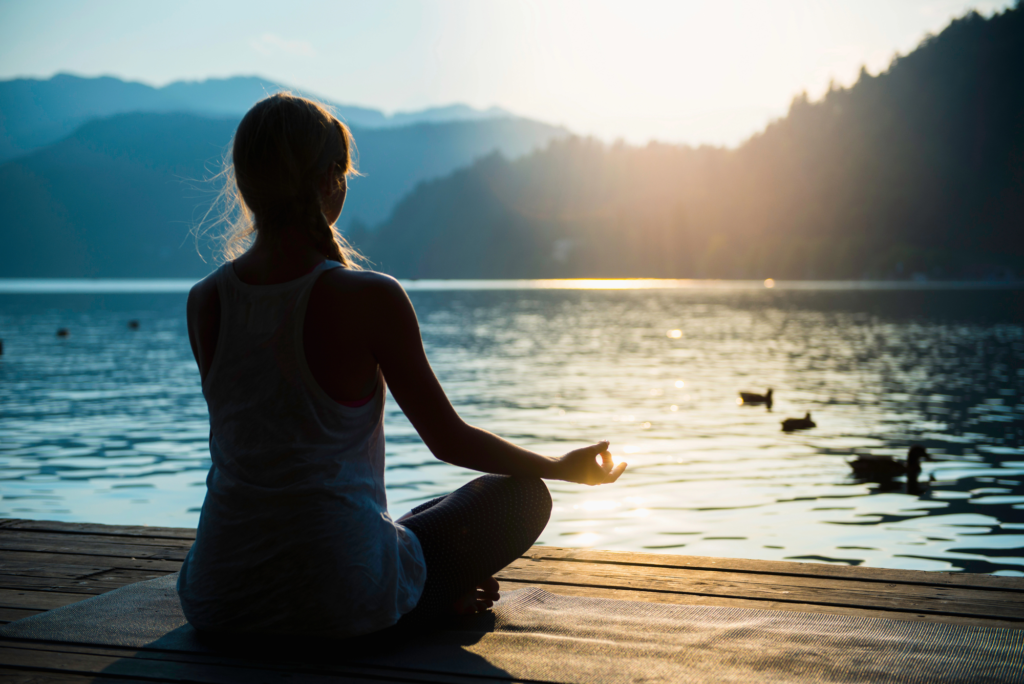
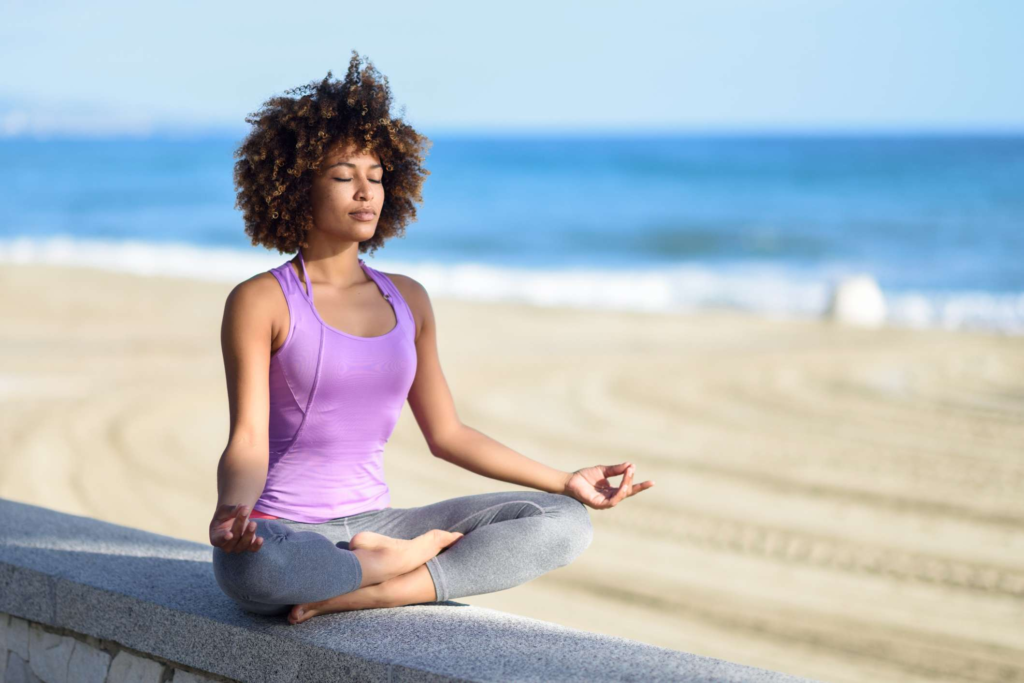
Many people assume that meditation means completely emptying the mind or stopping all thoughts. This is one of the biggest misconceptions. The mind naturally produces thoughts, and trying to force it to be completely silent often leads to frustration.
Meditation is not about eliminating thoughts but about observing them without getting attached. It is the practice of noticing when your mind wanders and gently bringing your attention back to the present moment. Over time, this process strengthens your ability to stay focused and calm.
Think of meditation as a way of building awareness rather than control. You are not trying to fight your mind. You are learning to understand it.
Why Meditation Matters in Daily Life
In today’s fast-paced world, the mind is constantly stimulated. Notifications, responsibilities, and endless streams of information can make it difficult to slow down. This constant activity can lead to stress, anxiety, and mental fatigue.
Meditation offers a way to step back from this noise. It creates a space where you can rest your mind and reconnect with yourself. Even a few minutes of meditation each day can make a noticeable difference in how you feel and respond to challenges.
Regular practice can improve focus, enhance emotional stability, and help you approach life with a clearer perspective. It is not just a relaxation technique but a powerful tool for personal growth.
Creating the Right Environment for Meditation
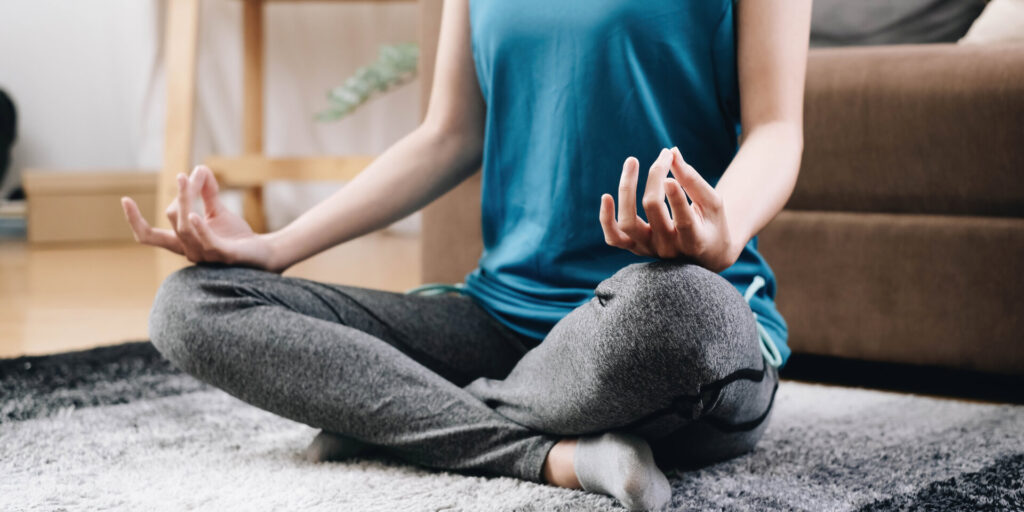
When starting out, your environment can play an important role in your meditation practice. While it is possible to meditate anywhere, choosing a quiet and comfortable space can make it easier to focus.
You do not need a special room or expensive equipment. A simple, peaceful corner where you feel relaxed is enough. The goal is to minimize distractions so you can turn your attention inward.
Lighting, temperature, and posture all contribute to your comfort. You might prefer soft lighting or natural light. Sitting in a position that feels stable and relaxed will help you stay focused without discomfort.
Over time, this space can become associated with calmness, making it easier to enter a meditative state.
Finding a Comfortable Posture
Posture is an important aspect of meditation, but it does not have to be complicated. The key is to find a position that allows you to stay alert while remaining relaxed.
You can sit on a chair, cushion, or even on the floor. Keep your back straight but not rigid. Your hands can rest gently on your lap or knees. The goal is to maintain a posture that supports both comfort and awareness.
Lying down is also an option, especially if you are practicing meditation for relaxation. However, it may increase the chances of falling asleep, so it is generally better for beginners to sit.
Your posture should feel natural rather than forced. When your body is at ease, your mind can follow.
Focusing on Your Breath

One of the simplest and most effective ways to begin meditation is by focusing on your breath. Your breath is always with you, making it a reliable anchor for your attention.
Start by noticing the natural rhythm of your breathing. You do not need to change it. Simply observe how it feels as you inhale and exhale.
Your mind will inevitably wander. When this happens, gently bring your focus back to your breath without judgment. This process of returning your attention is the essence of meditation.
With practice, your ability to stay focused will improve, and your mind will become calmer.
Dealing with Distractions and Thoughts
Distractions are a normal part of meditation, especially for beginners. You may notice thoughts, emotions, or even physical sensations pulling your attention away.
Instead of resisting these distractions, try to observe them. Acknowledge their presence and then gently return your focus to your breath.
This approach helps you develop a non-reactive mindset. You learn to experience thoughts without being controlled by them.
Over time, distractions will have less power over your attention, and you will find it easier to stay present.
Building a Consistent Meditation Practice
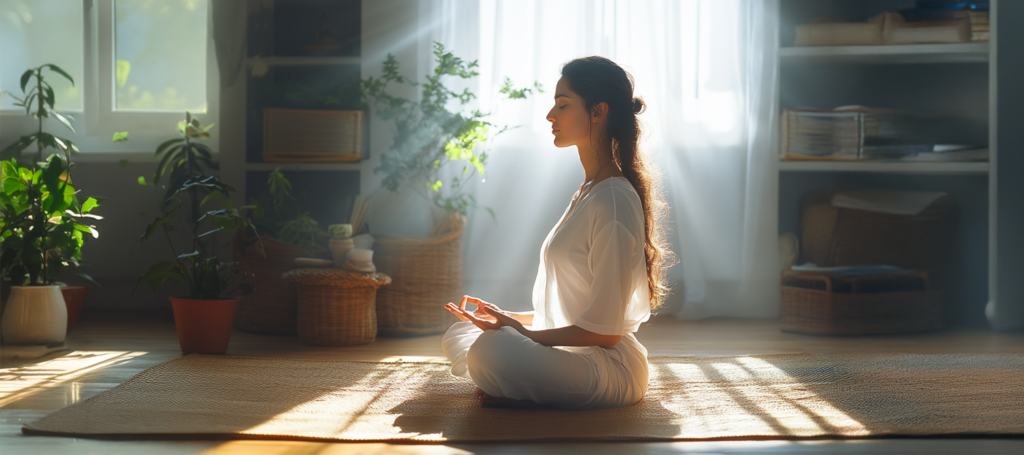
Consistency is more important than duration when it comes to meditation. Starting with just five to ten minutes a day is enough to build a habit.
Choose a time that works best for you, whether it is in the morning, during a break, or before bed. Making meditation a part of your daily routine increases the likelihood that you will stick with it.
As you become more comfortable, you can gradually extend your sessions. The goal is to create a practice that feels sustainable rather than overwhelming.
Consistency allows the benefits of meditation to accumulate over time.
Being Patient with Yourself
One of the most important aspects of meditation is patience. It is common to feel like you are not doing it correctly, especially in the beginning.
There will be days when your mind feels restless and days when it feels calm. Both are part of the process. Meditation is not about achieving perfection but about showing up and practicing.
Being patient with yourself helps you stay motivated and reduces frustration. Progress in meditation is often subtle, but with time, you will notice positive changes.
Exploring Different Types of Meditation

As you continue your journey, you may want to explore different forms of meditation. While breath-focused meditation is a great starting point, there are many other techniques available.
Some people find guided meditation helpful, especially in the beginning. Others may prefer mindfulness meditation, where they observe their thoughts and surroundings.
There are also practices focused on compassion, visualization, or body awareness. Exploring different styles can help you find what resonates most with you.
The key is to keep your approach simple and aligned with your needs.
Integrating Meditation into Everyday Life
Meditation does not have to be limited to a specific time or place. You can bring mindfulness into your daily activities.
Simple actions like walking, eating, or even listening can become opportunities for awareness. By paying attention to the present moment, you can experience life more fully.
This integration helps you carry the benefits of meditation into all areas of your life. It allows you to stay calm and focused even in challenging situations.
Over time, meditation becomes more than a practice. It becomes a way of living.
The Long-Term Benefits of Meditation
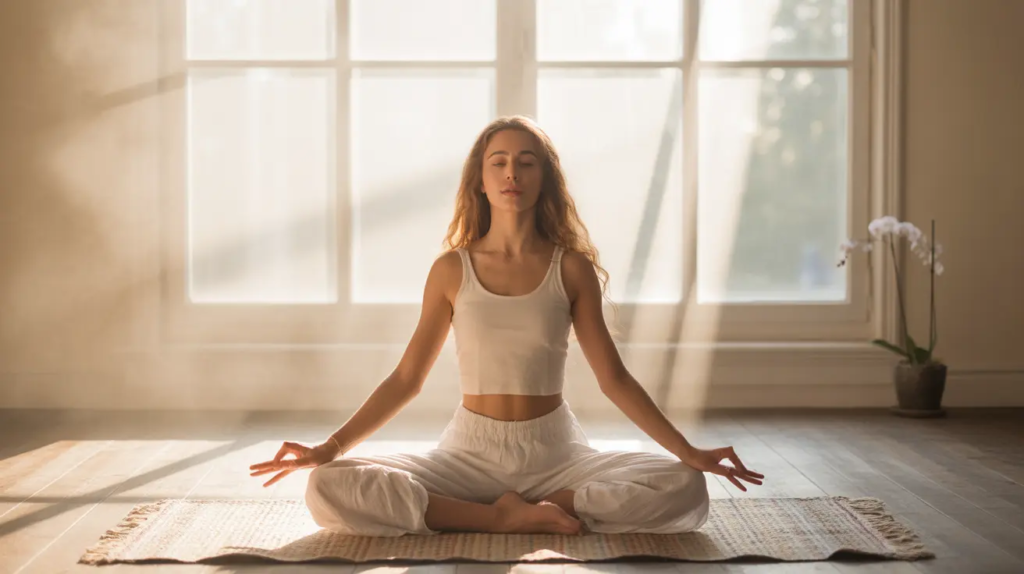
With regular practice, meditation can lead to lasting changes in your mental and emotional well-being. You may notice improved focus, reduced stress, and a greater sense of balance.
Meditation also helps you develop self-awareness, allowing you to understand your thoughts and emotions more clearly. This awareness can lead to better decision-making and healthier relationships.
The benefits extend beyond the mind. Many people experience improved sleep, increased energy, and a greater sense of overall well-being.
Meditation is a lifelong journey, and its rewards grow over time.
Conclusion
Learning how to meditate properly is not about mastering a complex technique. It is about developing a simple habit of awareness and presence.
As a beginner, the most important thing you can do is start. You do not need to have everything figured out. By focusing on your breath, staying consistent, and being patient with yourself, you can build a meaningful meditation practice.
Meditation is a powerful tool for creating a calmer, clearer, and more balanced life. With time and practice, it can transform the way you think, feel, and experience the world.
Frequently Asked Questions
1. How long should a beginner meditate each day?
Beginners can start with five to ten minutes a day and gradually increase the duration as they become more comfortable with the practice.
2. What is the best time to meditate?
The best time to meditate is whenever you can be consistent. Many people prefer mornings for a fresh start or evenings to relax before sleep.
3. Is it normal for my mind to wander during meditation?
Yes, it is completely normal. The key is to gently bring your focus back without getting frustrated.
4. Do I need to sit in a specific position to meditate?
No, you can sit in any comfortable position as long as your posture supports alertness and relaxation.
5. Can meditation really reduce stress and anxiety?
Yes, regular meditation helps calm the mind, improve emotional control, and reduce stress and anxiety over time.

Heal from Within: The New Path to Emotional Freedom
There comes a point in life when you realize that no external change can truly…

Choose Yourself First: The New Self-Love Revolution
There was a time when choosing yourself was often misunderstood. It was seen as selfish,…

Spiritual Awakening: How to Connect with Your Higher Self
In today’s fast-moving world, many people are beginning to feel a quiet pull toward something…