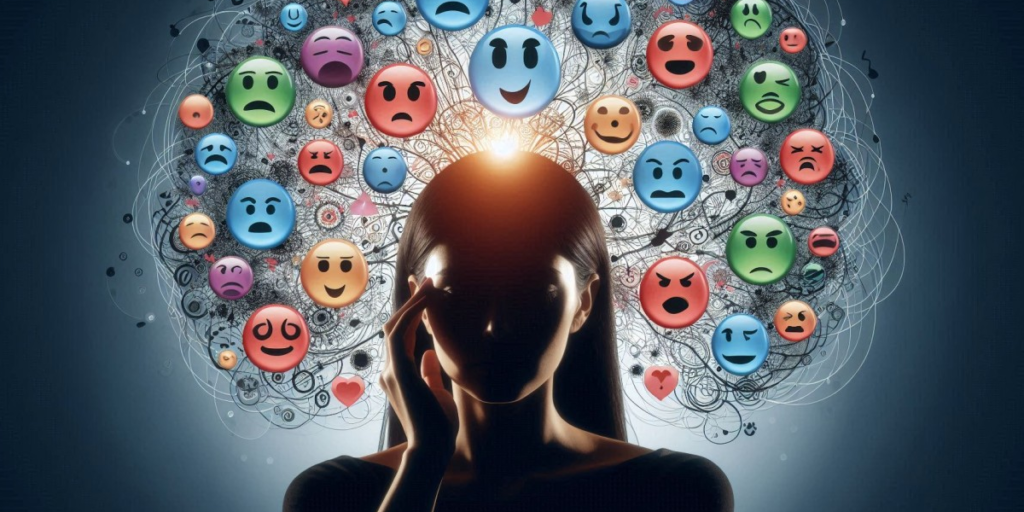

Emotions are a fundamental part of being human. They influence how we think, how we act, and how we connect with others. Yet, for many people, emotions can feel confusing, overwhelming, or even out of control. One moment you may feel calm and balanced, and the next, you might find yourself reacting in ways you do not fully understand.
Learning how to understand and manage your emotions effectively is not about suppressing feelings or pretending everything is fine. It is about becoming aware of what you feel, why you feel it, and how you can respond in a way that supports your well-being. When you develop this skill, you gain more control over your reactions, improve your relationships, and create a more balanced and fulfilling life.
This journey is not about perfection. It is about progress, awareness, and making conscious choices that align with your inner values.
Understanding What Emotions Really Are
Emotions are signals. They are your mind and body’s way of communicating important information about your experiences. Every emotion, whether positive or negative, serves a purpose.
For example, fear can alert you to danger, sadness can help you process loss, and anger can highlight boundaries that have been crossed. Instead of seeing emotions as problems, it can be helpful to view them as messages.
The challenge arises when we misinterpret or ignore these signals. When emotions are not acknowledged, they can build up and eventually express themselves in ways that feel overwhelming or uncontrolled.
Understanding that emotions are natural and meaningful is the first step toward managing them effectively.
Becoming Aware of Your Emotional Patterns
Before you can manage your emotions, you need to become aware of them. This means paying attention to what you feel in different situations and noticing patterns over time.
You may begin to recognize certain triggers that lead to specific emotional responses. For example, you might feel anxious in uncertain situations or frustrated when things do not go as planned.
Awareness also involves noticing how your body reacts to emotions. You might feel tension, a racing heart, or changes in your breathing. These physical cues can provide valuable insight into your emotional state.
By observing your emotions without judgment, you create space between feeling and reacting. This space allows you to respond more thoughtfully rather than impulsively.
Accepting Your Emotions Without Judgment

One of the most common mistakes people make is judging their emotions. You may label certain feelings as bad or inappropriate and try to push them away.
However, all emotions are valid. They reflect your experiences and perceptions. Accepting your emotions does not mean acting on them in harmful ways. It means acknowledging their presence without criticism.
When you accept your emotions, you reduce internal resistance. This makes it easier to process and understand them. Instead of fighting your feelings, you learn to work with them.
Acceptance creates a foundation for emotional balance and growth.
Identifying the Root Cause of Your Feelings
Emotions are often more complex than they appear on the surface. What you feel in the moment may be influenced by deeper thoughts, beliefs, or past experiences.
For instance, feeling angry might actually stem from feeling hurt or misunderstood. Taking time to reflect on the underlying cause of your emotions can help you address them more effectively.
Asking yourself questions like why you feel a certain way or what triggered your reaction can provide clarity. This process helps you move beyond surface-level reactions and gain a deeper understanding of yourself.
Identifying the root cause of your emotions allows you to respond in a more meaningful and constructive way.
Learning to Pause Before Reacting
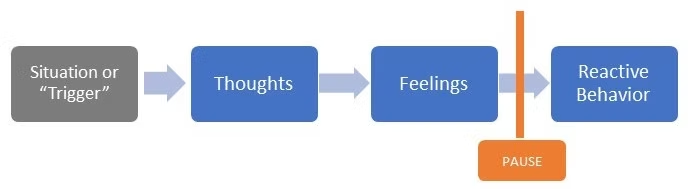
One of the most powerful skills in emotional management is the ability to pause. When emotions run high, it is easy to react quickly without thinking.
Taking a moment to pause allows you to step back and assess the situation. It gives you time to consider your response rather than acting on impulse.
This pause can be as simple as taking a deep breath or counting to a few seconds before speaking or acting. Even a brief moment of awareness can make a significant difference.
Over time, this habit can help you respond more calmly and thoughtfully, even in challenging situations.
Developing Healthy Ways to Express Emotions
Managing emotions does not mean suppressing them. It means finding healthy ways to express them.
Bottling up emotions can lead to stress and tension, while expressing them in a constructive way can bring relief and clarity. This might involve talking to someone you trust, writing down your thoughts, or engaging in activities that help you process your feelings.
The goal is to express your emotions in a way that does not harm yourself or others. This requires honesty, respect, and self-awareness.
Healthy expression allows emotions to move through you rather than staying stuck.
Strengthening Emotional Resilience
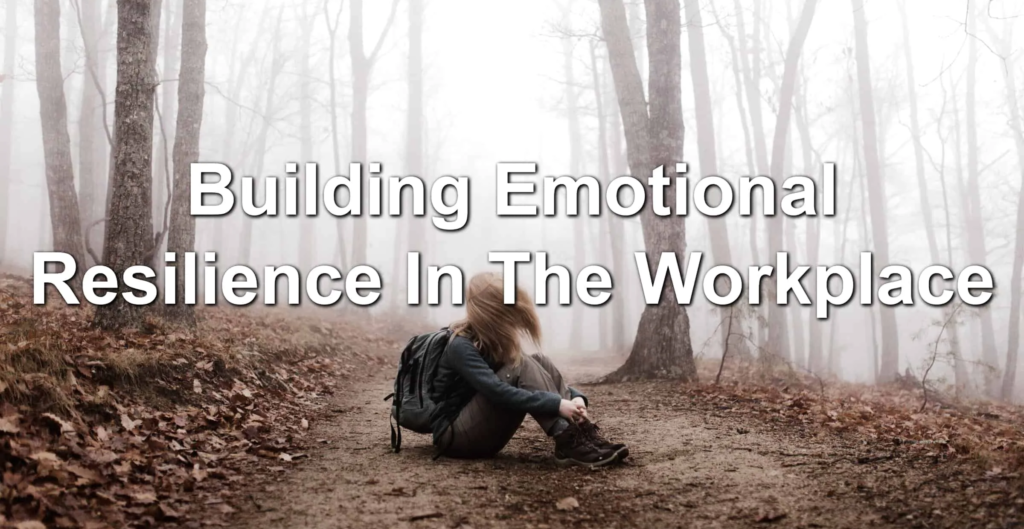
Emotional resilience is the ability to handle challenges and bounce back from difficult experiences. It does not mean avoiding pain but learning how to cope with it effectively.
Building resilience involves developing a mindset that allows you to face difficulties with strength and adaptability. This includes maintaining perspective, practicing self-care, and focusing on what you can control.
Resilience grows over time as you navigate different experiences. Each challenge you overcome adds to your ability to handle future situations.
By strengthening your resilience, you become more confident in your ability to manage your emotions.
Improving Emotional Intelligence
Emotional intelligence is the ability to understand and manage your own emotions while also recognizing and responding to the emotions of others.
This skill plays a crucial role in communication, relationships, and decision-making. When you are emotionally intelligent, you are better able to navigate social interactions and resolve conflicts.
Improving emotional intelligence involves active listening, empathy, and self-reflection. It requires you to be present and attentive to both your own feelings and those of others.
As your emotional intelligence grows, you will find it easier to build meaningful connections and handle complex situations.
Practicing Mindfulness in Daily Life


Mindfulness is the practice of being fully present in the moment. It allows you to observe your thoughts and emotions without becoming overwhelmed by them.
When you practice mindfulness, you develop greater awareness of your internal experiences. This awareness helps you recognize emotions as they arise and respond to them more effectively.
Mindfulness can be practiced through simple activities such as focusing on your breath, paying attention to your surroundings, or engaging fully in what you are doing.
Incorporating mindfulness into your daily life can create a sense of calm and clarity.
Letting Go of Emotional Baggage
Holding onto past experiences can weigh heavily on your emotional well-being. Unresolved feelings can influence how you react to present situations.
Letting go does not mean forgetting or dismissing your experiences. It means releasing the emotional hold they have on you.
This process may involve forgiveness, reflection, or simply choosing to move forward. It takes time and patience, but it can lead to a greater sense of freedom.
When you let go of emotional baggage, you create space for new experiences and positive emotions.
Creating a Balanced Emotional Life

Managing your emotions effectively is about creating balance. It involves recognizing your feelings, understanding them, and responding in a way that supports your well-being.
Balance does not mean always feeling happy. It means being able to navigate a range of emotions without becoming overwhelmed.
This balance allows you to handle challenges with confidence and enjoy positive moments more fully.
By practicing awareness, acceptance, and healthy expression, you can create a more stable and fulfilling emotional life.
Conclusion
Understanding and managing your emotions effectively is a lifelong journey. It requires patience, self-awareness, and a willingness to grow.
Your emotions are not obstacles. They are guides that can help you better understand yourself and your experiences. By learning to listen to them and respond thoughtfully, you can create a more balanced and meaningful life.
You do not need to control every feeling or reaction. What matters is your ability to recognize your emotions and choose how you respond.
With time and practice, emotional management becomes a natural part of your daily life, allowing you to move forward with clarity and confidence.
Frequently Asked Questions
1. What does it mean to manage emotions effectively?
Managing emotions effectively means understanding your feelings, accepting them, and responding in a calm and constructive way rather than reacting impulsively.
2. Why do I struggle to control my emotions?
Struggling with emotions often comes from lack of awareness, unresolved experiences, or strong triggers that overwhelm your ability to respond calmly.
3. Can emotional intelligence be improved?
Yes, emotional intelligence can be developed through self-awareness, practice, and learning to understand both your own emotions and those of others.
4. How can I stay calm during intense emotions?
Taking a pause, focusing on your breath, and stepping back from the situation can help you regain control and respond more calmly.
5. Is it healthy to express emotions openly?
Yes, expressing emotions in a respectful and constructive way is healthy and helps prevent emotional buildup and stress.

Heal from Within: The New Path to Emotional Freedom
There comes a point in life when you realize that no external change can truly…

Choose Yourself First: The New Self-Love Revolution
There was a time when choosing yourself was often misunderstood. It was seen as selfish,…

Spiritual Awakening: How to Connect with Your Higher Self
In today’s fast-moving world, many people are beginning to feel a quiet pull toward something…

Mindfulness Mastery: How to Live Fully in the Present Moment
In a time when life feels faster than ever, many people find themselves constantly thinking…