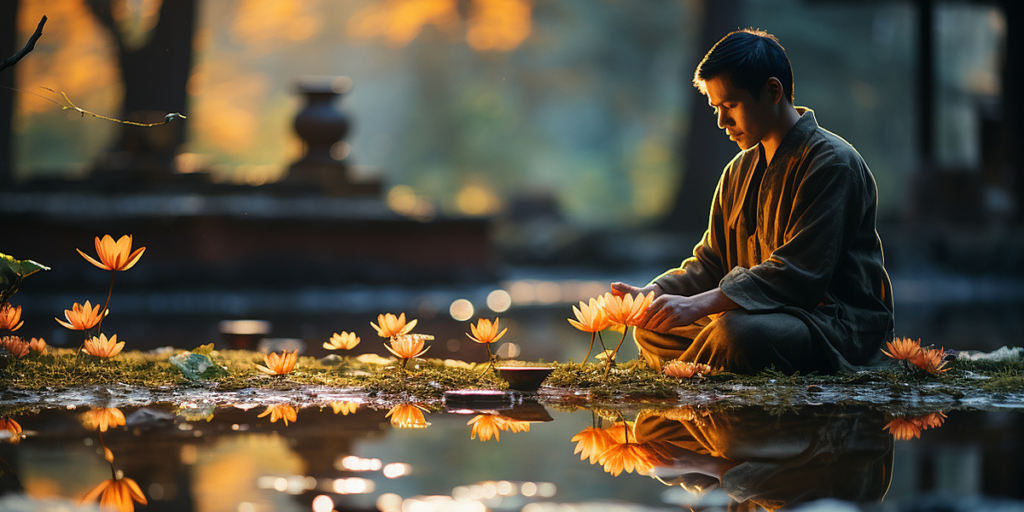

In a world that constantly demands attention, productivity, and external success, many people find themselves feeling disconnected, overwhelmed, and restless. Even when life appears to be going well on the outside, there can be an inner sense that something is missing. This quiet longing often leads people to explore spirituality, not as a trend, but as a deeper search for meaning, connection, and peace.
Spiritual growth is not about following a strict set of rules or adopting a particular belief system. It is a personal journey that helps you connect with your inner self, understand your purpose, and experience a sense of calm that is not dependent on external circumstances. Finding inner peace is not about escaping life’s challenges but learning how to navigate them with clarity and balance.
Understanding Spiritual Growth

Spiritual growth begins with awareness. It is the process of becoming more conscious of your thoughts, emotions, and actions. Instead of living on autopilot, you start to observe your inner world with curiosity and honesty.
This journey often involves asking deeper questions about life. You may begin to reflect on what truly matters to you, what gives your life meaning, and how you want to live. These reflections create a foundation for personal transformation.
Spiritual growth is not linear. There will be moments of clarity as well as moments of confusion. Both are part of the process. What matters is your willingness to continue exploring and learning.
The Connection Between Spirituality and Inner Peace
Inner peace is a state of calm and balance that comes from within. It is not dependent on external conditions but on how you respond to them.
Spirituality helps you develop this inner stability. As you become more aware of your thoughts and emotions, you gain the ability to manage them more effectively.
Instead of reacting impulsively, you begin to respond with intention. This shift creates a sense of control and reduces stress.
Inner peace does not mean that life becomes free of challenges. It means that you develop the strength and clarity to face them without losing your sense of calm.
Letting Go of External Validation

One of the biggest obstacles to inner peace is the need for external validation. Many people base their self-worth on approval from others, achievements, or material success.
While these things can bring temporary satisfaction, they do not provide lasting fulfillment. Spiritual growth encourages you to look inward rather than outward for validation.
When you begin to accept yourself as you are, you reduce the pressure to meet unrealistic expectations. This acceptance creates a sense of freedom and peace.
Letting go of external validation does not mean ignoring feedback. It means not allowing it to define your worth.
Practicing Mindfulness in Daily Life
Mindfulness is a powerful tool for spiritual growth. It involves being fully present in the moment without judgment.
When you practice mindfulness, you become more aware of your thoughts and feelings. This awareness helps you understand yourself better.
Simple activities such as eating, walking, or breathing can become mindful practices when you give them your full attention.
Over time, mindfulness reduces stress and increases your ability to stay calm in challenging situations. It also deepens your connection with the present moment.
Embracing Silence and Stillness
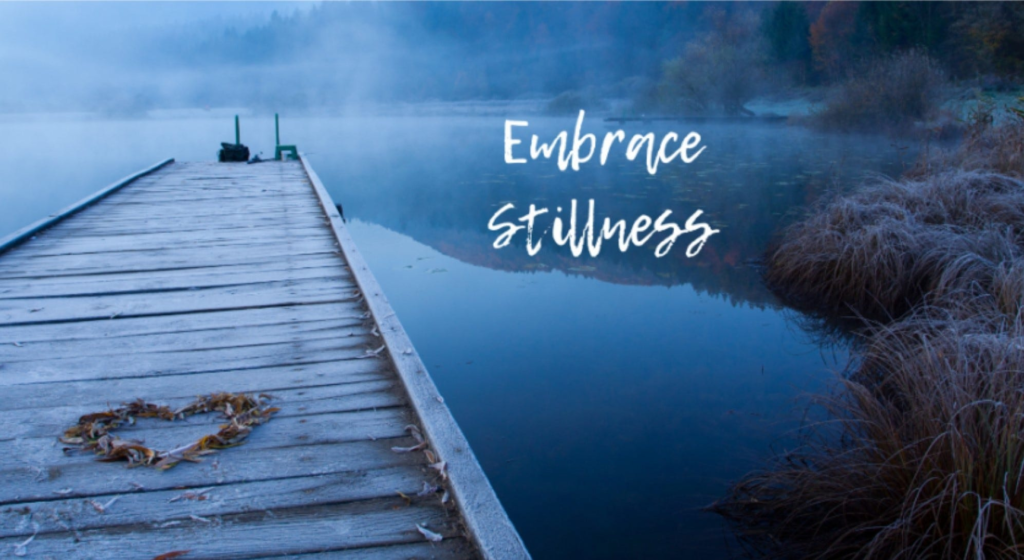
In a noisy and busy world, silence can feel uncomfortable. However, it is in moments of stillness that you can truly connect with yourself.
Spending time in silence allows your mind to slow down. It creates space for reflection and clarity.
This does not require long hours of meditation. Even a few minutes of quiet time each day can make a difference.
In stillness, you may discover insights about yourself and your life that are often hidden by constant activity.
The Role of Gratitude in Spiritual Growth
Gratitude shifts your focus from what is missing to what is present. It helps you appreciate the small moments that often go unnoticed.
Practicing gratitude regularly can improve your outlook on life. It creates a sense of abundance rather than scarcity.
When you are grateful, you are more likely to experience positive emotions such as joy and contentment.
This mindset supports inner peace by reducing negative thoughts and increasing overall satisfaction.
Healing Emotional Wounds

Spiritual growth often involves healing past emotional wounds. Unresolved emotions can create inner conflict and prevent you from experiencing peace.
Acknowledging your feelings is an important step in this process. Avoiding or suppressing emotions can lead to further stress.
Healing does not happen overnight. It requires patience, self-compassion, and a willingness to face difficult experiences.
As you work through these emotions, you create space for growth and transformation.
Developing Self-Awareness
Self-awareness is the foundation of spiritual growth. It involves understanding your thoughts, behaviors, and patterns.
When you are self-aware, you can recognize what triggers certain emotions or reactions. This awareness allows you to make conscious choices.
Instead of being controlled by habits or impulses, you gain the ability to respond in a more balanced way.
Self-awareness also helps you align your actions with your values, leading to a more meaningful life.
Building a Connection with Nature

Nature has a calming and grounding effect on the mind. Spending time outdoors can help you reconnect with yourself and the world around you.
Whether it is walking in a park, sitting by the water, or simply observing the sky, these moments can bring a sense of peace.
Nature reminds you of the simplicity and beauty of life. It encourages you to slow down and be present.
This connection supports both spiritual growth and emotional well-being.
Letting Go of Control
Many people struggle with the need to control every aspect of their lives. While planning and organization are important, excessive control can lead to stress and anxiety.
Spiritual growth involves learning to let go of what you cannot control. This does not mean giving up but trusting the process of life.
When you release the need for control, you create space for acceptance. This acceptance reduces resistance and brings a sense of calm.
Letting go allows you to focus on what you can influence while accepting what you cannot.
Creating Meaningful Daily Practices


Spiritual growth is supported by daily practices that help you stay connected with yourself. These practices do not have to be complicated.
They can include moments of reflection, mindful breathing, or simply setting an intention for the day.
Consistency is more important than intensity. Small, regular practices create lasting change over time.
These habits help you stay grounded and maintain a sense of inner peace.
Finding Purpose and Direction
A sense of purpose adds meaning to your life. It gives you direction and motivation.
Spiritual growth helps you discover what truly matters to you. It encourages you to align your actions with your values.
Purpose does not have to be something grand. It can be found in everyday actions and contributions.
When you live with purpose, you experience a deeper sense of fulfillment and satisfaction.
Accepting Life as It Is

Acceptance is a key component of inner peace. It involves acknowledging reality without resistance.
This does not mean you stop striving for improvement. It means you stop fighting against what already exists.
Acceptance allows you to respond to situations more calmly and effectively.
When you accept life as it is, you reduce unnecessary stress and create space for peace.
Conclusion
Growing spiritually and finding inner peace is a journey that requires patience, awareness, and consistency. It is not about achieving perfection but about developing a deeper understanding of yourself and your life.
By practicing mindfulness, embracing stillness, letting go of control, and nurturing gratitude, you can create a sense of calm that remains steady even in challenging times.
Spiritual growth is a lifelong process, but every step you take brings you closer to a more balanced and fulfilling life.
Frequently Asked Questions
1. What is spiritual growth?
Spiritual growth is the process of becoming more aware of your inner self, values, and purpose in life.
2. How can I start my spiritual journey?
You can start by practicing mindfulness, spending time in reflection, and exploring what brings meaning to your life.
3. Can spirituality help reduce stress?
Yes, spiritual practices such as mindfulness and gratitude can help you manage stress and find inner peace.
4. Do I need to follow a religion to be spiritual?
No, spirituality is a personal journey and does not require following any specific religion.
5. How long does it take to find inner peace?
Inner peace is not a destination but a continuous process that develops over time with consistent practice.

Heal from Within: The New Path to Emotional Freedom
There comes a point in life when you realize that no external change can truly…

Choose Yourself First: The New Self-Love Revolution
There was a time when choosing yourself was often misunderstood. It was seen as selfish,…

Spiritual Awakening: How to Connect with Your Higher Self
In today’s fast-moving world, many people are beginning to feel a quiet pull toward something…

Mindfulness Mastery: How to Live Fully in the Present Moment
In a time when life feels faster than ever, many people find themselves constantly thinking…

How to Find Your Life Purpose and Follow It with Confidence
In a world full of distractions, expectations, and constant noise, it is easy to feel…