

Emotional healing is one of the most important yet often overlooked aspects of personal well-being. Many people carry unresolved pain from past experiences without even realizing how deeply it affects their daily lives. These emotional wounds can influence thoughts, behaviors, relationships, and overall happiness. While physical injuries are visible and treated with care, emotional pain is often ignored, suppressed, or misunderstood.
The journey of emotional healing and self-recovery is not about becoming a completely different person. It is about reconnecting with who you truly are beneath the layers of pain, fear, and past experiences. Healing allows you to release emotional burdens, regain inner balance, and move forward with clarity and strength.
Understanding Emotional Healing

Emotional healing is the process of acknowledging, processing, and releasing emotional pain. It involves facing difficult feelings rather than avoiding them. This can be challenging because it requires vulnerability and honesty with yourself.
Many people believe that healing means forgetting the past. In reality, it is about learning how to live with your experiences without letting them control your present. Healing does not erase memories, but it changes how you relate to them.
This process takes time and patience. There is no fixed timeline for healing because every individual’s experiences and emotional responses are different. What matters most is your willingness to begin and continue the journey.
Recognizing the Signs You Need Healing
Before you can begin healing, it is important to recognize when emotional wounds are affecting your life. These signs are not always obvious. They can show up in subtle ways, such as constant stress, irritability, or difficulty trusting others.
You may find yourself overthinking situations or reacting strongly to small triggers. Sometimes, emotional pain manifests as a sense of emptiness or disconnection from others.
Avoiding certain memories or situations can also be a sign that there are unresolved emotions beneath the surface. Acknowledging these signs is not a weakness. It is the first step toward self-awareness and growth.

The Importance of Accepting Your Emotions
One of the most important aspects of healing is learning to accept your emotions. Many people try to suppress or ignore their feelings, believing that this will make the pain go away.
However, unacknowledged emotions often resurface in other ways. They can lead to stress, anxiety, or even physical discomfort.
Accepting your emotions means allowing yourself to feel without judgment. It involves recognizing that all emotions, even difficult ones, are a natural part of being human.
When you accept your feelings, you create space for healing to begin.
Letting Go of the Past

Letting go is often misunderstood. It does not mean forgetting what happened or pretending that it did not matter. It means releasing the emotional hold that past experiences have on you.
Holding onto the past can prevent you from fully experiencing the present. It keeps you stuck in a cycle of pain and prevents growth.
Letting go requires a conscious effort to shift your focus. It involves forgiving yourself and, in some cases, others. Forgiveness is not about excusing behavior but about freeing yourself from resentment.
As you let go, you create room for new experiences and emotional freedom.
The Role of Self-Compassion
Healing is not a linear process. There will be moments of progress as well as setbacks. During these times, self-compassion becomes essential.
Self-compassion means treating yourself with kindness and understanding, especially when you are struggling. It involves recognizing that you are doing your best, even when things feel difficult.
Being harsh or critical toward yourself can slow down the healing process. On the other hand, kindness and patience create a supportive environment for growth.
When you practice self-compassion, you build a stronger and more positive relationship with yourself.
Developing Healthy Coping Mechanisms
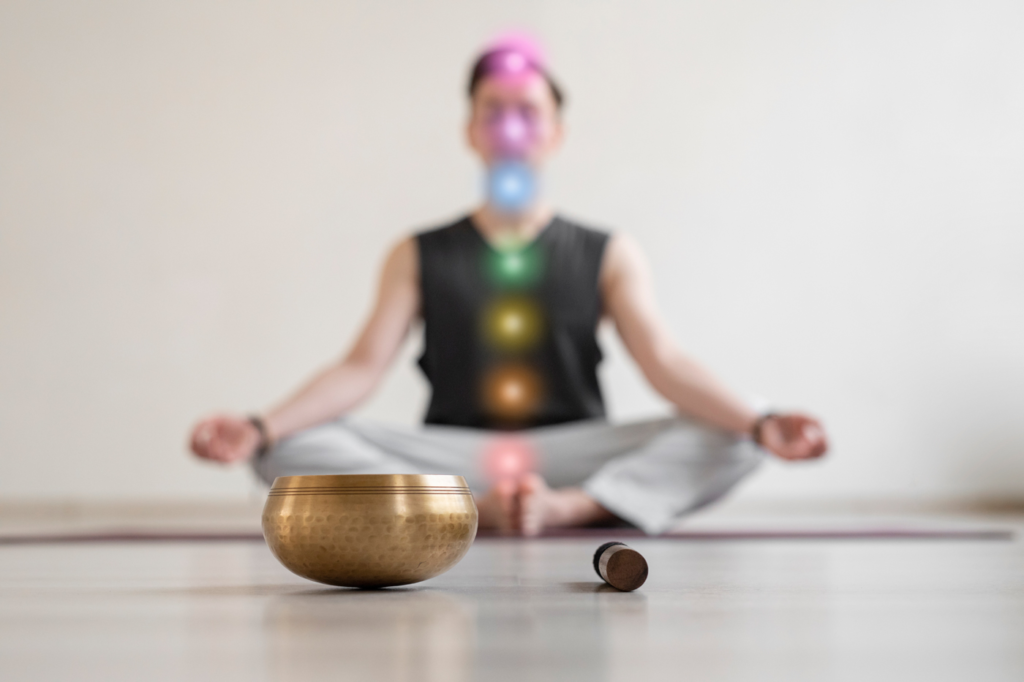
As you heal, it is important to develop healthy ways to cope with emotions. Unhealthy coping mechanisms, such as avoidance or distraction, may provide temporary relief but do not address the root cause.
Healthy coping strategies can include activities that help you process and release emotions. This might involve writing, talking to someone you trust, or engaging in creative expression.
Physical activities can also play a role in emotional healing. Movement helps release tension and improve mood.
Finding what works for you is key. The goal is to create habits that support your well-being and help you manage challenges effectively.
Building Emotional Resilience
Emotional resilience is the ability to adapt and recover from difficult experiences. It is an important part of the healing process.
Building resilience does not mean avoiding pain. It means learning how to navigate it in a healthy way.
This involves developing a positive mindset and focusing on growth rather than setbacks. It also means recognizing your strengths and using them to overcome challenges.
Resilience grows over time as you continue to face and work through your emotions.
The Power of Self-Reflection

Self-reflection is a valuable tool for emotional healing. It allows you to understand your thoughts, behaviors, and patterns.
Taking time to reflect on your experiences can provide insight into what triggers certain emotions and how you respond to them.
This awareness helps you make conscious changes. It allows you to break unhealthy patterns and develop healthier ones.
Reflection does not have to be complicated. Even a few moments of quiet thought can lead to meaningful insights.
Creating a Supportive Environment
Healing does not have to be a solitary journey. Surrounding yourself with supportive people can make a significant difference.
This might include friends, family members, or professionals who understand and respect your journey.
A supportive environment provides encouragement and reassurance during difficult times. It reminds you that you are not alone.
At the same time, it is important to create boundaries with people or situations that negatively impact your emotional well-being.
Reconnecting with Yourself

Emotional healing is ultimately about reconnecting with yourself. It is about understanding who you are beyond your experiences and emotions.
This involves exploring your values, interests, and passions. It allows you to rediscover what brings you joy and fulfillment.
Spending time alone can help you build this connection. It gives you the space to listen to your thoughts and understand your needs.
As you reconnect with yourself, you develop a stronger sense of identity and purpose.
Practicing Patience and Consistency
Healing takes time. It is not something that can be rushed or forced. Each step forward, no matter how small, is part of the process.
Consistency is more important than speed. Regular efforts to care for your emotional well-being lead to lasting change.
There will be moments when progress feels slow. During these times, it is important to stay patient and trust the process.
Healing is a journey of growth, and every step brings you closer to a healthier and more balanced life.
Finding Meaning in the Healing Process


While emotional pain can be difficult, it can also lead to personal growth and transformation. Many people find that their healing journey helps them develop greater empathy, strength, and understanding.
Finding meaning in your experiences can change your perspective. It allows you to see challenges as opportunities for growth.
This shift in mindset can bring a sense of purpose and fulfillment. It helps you move forward with a deeper appreciation for life.
Conclusion
The journey of emotional healing and self-recovery is deeply personal and unique for each individual. It requires courage, patience, and a commitment to self-care.
By acknowledging your emotions, letting go of the past, and developing healthy coping strategies, you can create a path toward healing and growth.
Remember that healing is not about perfection. It is about progress and self-discovery. With time and consistent effort, you can build a stronger, more resilient version of yourself.
Frequently Asked Questions
1. What is emotional healing?
Emotional healing is the process of acknowledging, processing, and releasing emotional pain to achieve inner balance and well-being.
2. How long does emotional healing take?
The duration varies for each person. Healing is a gradual process that depends on individual experiences and efforts.
3. Can I heal emotionally on my own?
Yes, self-healing is possible, but seeking support from others can make the process easier and more effective.
4. What are healthy ways to cope with emotional pain?
Healthy coping methods include self-reflection, talking to trusted individuals, engaging in creative activities, and practicing mindfulness.
5. Is it normal to feel worse before feeling better during healing?
Yes, facing emotions can initially feel challenging, but it is a natural part of the healing process that leads to long-term improvement.

Heal from Within: The New Path to Emotional Freedom
There comes a point in life when you realize that no external change can truly…

Choose Yourself First: The New Self-Love Revolution
There was a time when choosing yourself was often misunderstood. It was seen as selfish,…

Spiritual Awakening: How to Connect with Your Higher Self
In today’s fast-moving world, many people are beginning to feel a quiet pull toward something…

Mindfulness Mastery: How to Live Fully in the Present Moment
In a time when life feels faster than ever, many people find themselves constantly thinking…

How to Find Your Life Purpose and Follow It with Confidence
In a world full of distractions, expectations, and constant noise, it is easy to feel…