
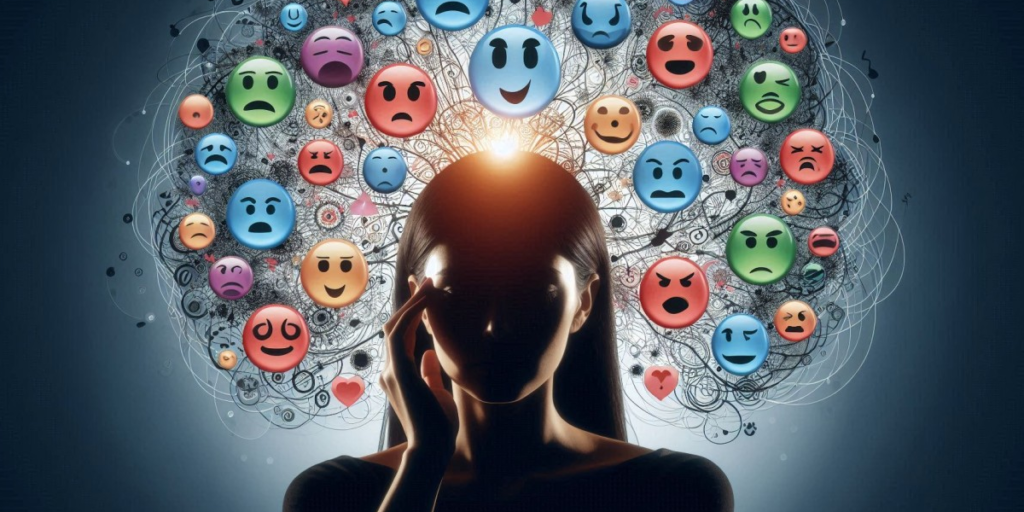
Emotions are a natural and essential part of being human. They shape how we think, how we act, and how we connect with others. From moments of joy and excitement to feelings of anger, sadness, or anxiety, emotions influence nearly every decision we make. Yet, despite their importance, many people struggle to understand and manage their emotions in a healthy way.
Managing your emotions does not mean suppressing or ignoring them. It means learning how to recognize, understand, and respond to them in a balanced and constructive manner. When you develop this skill, you gain greater control over your reactions, improve your relationships, and create a more peaceful and fulfilling life.
Understanding the Nature of Emotions

Emotions are signals that provide insight into your inner world. They reflect your thoughts, experiences, and perceptions. For example, feeling anxious might indicate uncertainty or fear, while feeling happy may reflect satisfaction or contentment.
Each emotion serves a purpose. Even negative emotions have value because they alert you to situations that may require attention or change. Ignoring these signals can lead to deeper issues, while understanding them can lead to growth.
It is important to realize that emotions are temporary. They come and go, often influenced by external events and internal thoughts. Recognizing this can help you avoid becoming overwhelmed by intense feelings.
The Importance of Emotional Awareness
Emotional awareness is the foundation of managing your emotions. It involves noticing what you are feeling in the present moment without judgment.
When you become aware of your emotions, you create a pause between feeling and reacting. This pause allows you to choose how you respond instead of reacting impulsively.
Many people move through their day without paying attention to their emotional state. Developing awareness requires intentional effort. It can begin with simple practices such as checking in with yourself throughout the day and asking how you feel.
Over time, this awareness becomes more natural and helps you respond to situations with greater clarity.
Identifying Emotional Triggers
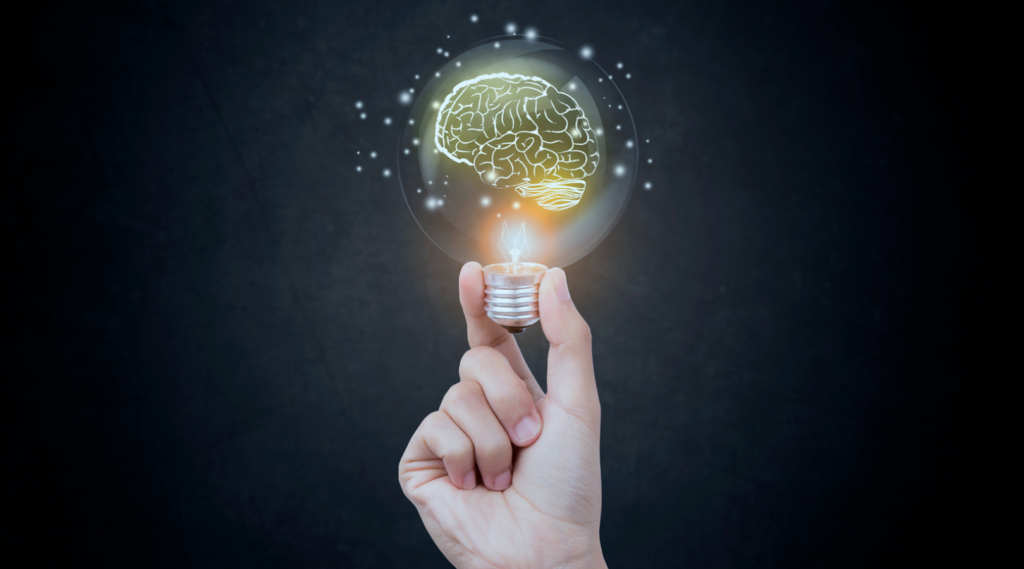
Emotional triggers are situations, people, or experiences that provoke strong emotional reactions. Understanding your triggers is essential for managing your emotions effectively.
Triggers can vary from person to person. What causes stress or frustration for one person may not affect another in the same way. Identifying your triggers involves reflecting on situations where you experience intense emotions.
Once you recognize these patterns, you can begin to prepare for them. This preparation helps you respond more calmly and thoughtfully.
Understanding your triggers does not eliminate them, but it gives you greater control over how you handle them.
The Power of Pause and Reflection
One of the most effective ways to manage your emotions is to pause before reacting. In moments of strong emotion, it is easy to act impulsively and later regret your actions.
Taking a moment to pause allows you to reflect on what you are feeling and why. This simple step can prevent unnecessary conflict and help you make more thoughtful decisions.
Reflection also helps you gain insight into your emotional patterns. By looking back on your reactions, you can learn what works and what does not.
This process of pause and reflection becomes a powerful tool for emotional growth.
Learning to Express Emotions in a Healthy Way
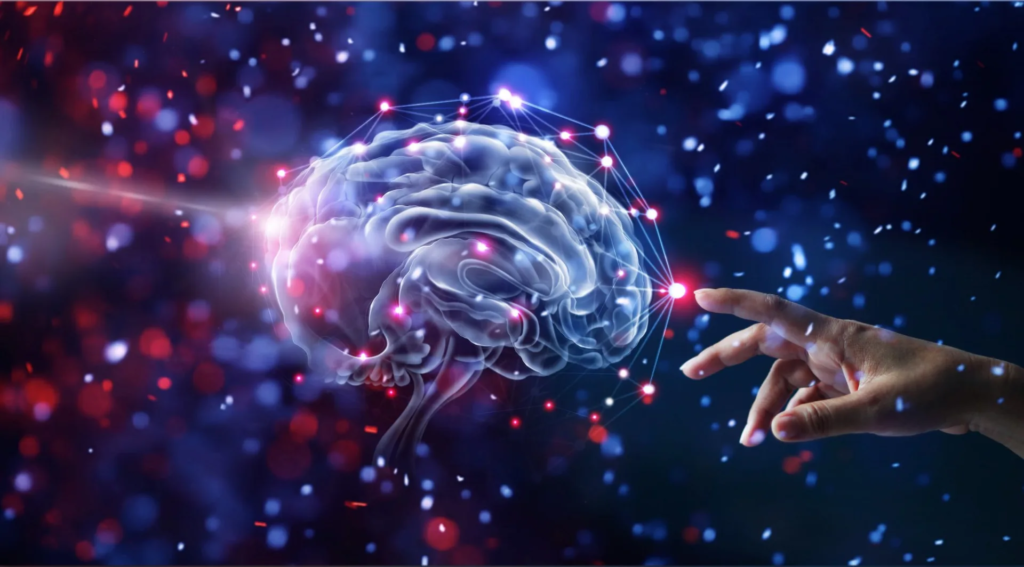
Expressing emotions is an important part of emotional well-being. Suppressing your feelings can lead to stress and internal conflict, while expressing them in unhealthy ways can harm relationships.
Healthy expression involves communicating your feelings clearly and respectfully. It means being honest about your emotions without blaming or attacking others.
This can be challenging, especially in situations where emotions run high. However, with practice, it becomes easier to express yourself in a way that promotes understanding and connection.
Learning to express your emotions effectively strengthens your relationships and helps you feel more balanced.
Managing Stress and Anxiety
Stress and anxiety are common emotional experiences in daily life. While they cannot be completely avoided, they can be managed.
One of the key ways to manage stress is by focusing on what you can control. Worrying about things beyond your control often increases anxiety.
Relaxation techniques such as deep breathing or taking a break can help calm your mind and body. These practices create space for clearer thinking and better decision-making.
Developing healthy coping strategies allows you to handle stress more effectively and maintain emotional balance.
Building Emotional Resilience


Emotional resilience is the ability to recover from challenges and setbacks. It is a skill that can be developed over time.
Resilient individuals are not immune to difficulties, but they are better equipped to handle them. They view challenges as opportunities for growth rather than obstacles.
Building resilience involves developing a positive mindset and maintaining perspective during difficult times. It also includes seeking support when needed and learning from experiences.
As your resilience grows, you become more confident in your ability to navigate life’s ups and downs.
The Role of Self-Compassion
Self-compassion is an important aspect of emotional management. It involves treating yourself with kindness and understanding, especially during difficult moments.
Many people are quick to criticize themselves when things go wrong. This self-criticism can intensify negative emotions and hinder growth.
Practicing self-compassion means acknowledging your struggles without judgment. It allows you to accept your imperfections and learn from your experiences.
When you are kind to yourself, you create a supportive inner environment that encourages healing and growth.
Developing Healthy Emotional Habits

Your daily habits have a significant impact on your emotional well-being. Small, consistent actions can help you maintain balance and stability.
These habits can include taking time for self-reflection, engaging in activities you enjoy, and maintaining a healthy routine.
Consistency is key. Over time, these habits become part of your lifestyle and support your emotional health.
By prioritizing these practices, you create a strong foundation for managing your emotions effectively.
Improving Relationships Through Emotional Intelligence
Emotional intelligence is the ability to understand and manage your emotions as well as the emotions of others. It plays a crucial role in building strong relationships.
When you are emotionally aware, you are better able to communicate and connect with others. You can respond to their needs and emotions with empathy and understanding.
This improves the quality of your interactions and helps resolve conflicts more effectively.
Developing emotional intelligence enhances both your personal and professional relationships.
Letting Go of Negative Emotional Patterns
Negative emotional patterns can develop over time and become deeply ingrained. These patterns may include overthinking, self-doubt, or excessive worry.
Letting go of these patterns requires awareness and effort. It involves recognizing when these patterns arise and choosing a different response.
This process takes time and patience. It is not about eliminating negative emotions but about changing how you respond to them.
By breaking these patterns, you create space for healthier and more positive emotional experiences.
Staying Present in the Moment


Being present is a powerful way to manage your emotions. When you focus on the present moment, you reduce the impact of past regrets and future worries.
This presence allows you to experience life more fully and respond to situations with clarity.
Simple practices such as paying attention to your surroundings or focusing on your breath can help you stay grounded.
Over time, staying present becomes a habit that supports emotional balance and well-being.
Conclusion
Managing your emotions in daily life is a journey that requires awareness, patience, and practice. It is not about controlling every feeling but about understanding and responding to them in a healthy way.
By developing emotional awareness, identifying triggers, practicing self-compassion, and building resilience, you can create a more balanced and fulfilling life.
Emotions are a natural part of who you are. When you learn to work with them instead of against them, they become a source of strength and insight.
With time and effort, you can develop the skills needed to navigate your emotions with confidence and clarity.
Frequently Asked Questions
1. What does it mean to manage your emotions?
Managing your emotions means understanding, controlling, and expressing your feelings in a healthy and balanced way.
2. Why is emotional management important?
It helps improve relationships, reduce stress, and make better decisions in daily life.
3. How can I control my emotions in stressful situations?
You can pause, take deep breaths, and focus on understanding your feelings before reacting.
4. Can emotional intelligence be improved?
Yes, emotional intelligence can be developed through self-awareness, practice, and learning how to respond to emotions effectively.
5. How long does it take to improve emotional control?
It varies for each person, but consistent practice over time leads to noticeable improvement.

Heal from Within: The New Path to Emotional Freedom
There comes a point in life when you realize that no external change can truly…

Choose Yourself First: The New Self-Love Revolution
There was a time when choosing yourself was often misunderstood. It was seen as selfish,…

Spiritual Awakening: How to Connect with Your Higher Self
In today’s fast-moving world, many people are beginning to feel a quiet pull toward something…

Mindfulness Mastery: How to Live Fully in the Present Moment
In a time when life feels faster than ever, many people find themselves constantly thinking…

How to Find Your Life Purpose and Follow It with Confidence
In a world full of distractions, expectations, and constant noise, it is easy to feel…

Emotional Intelligence Secrets for Better Decisions and Relationships
In a world where quick reactions and constant communication define our daily lives, understanding emotions…