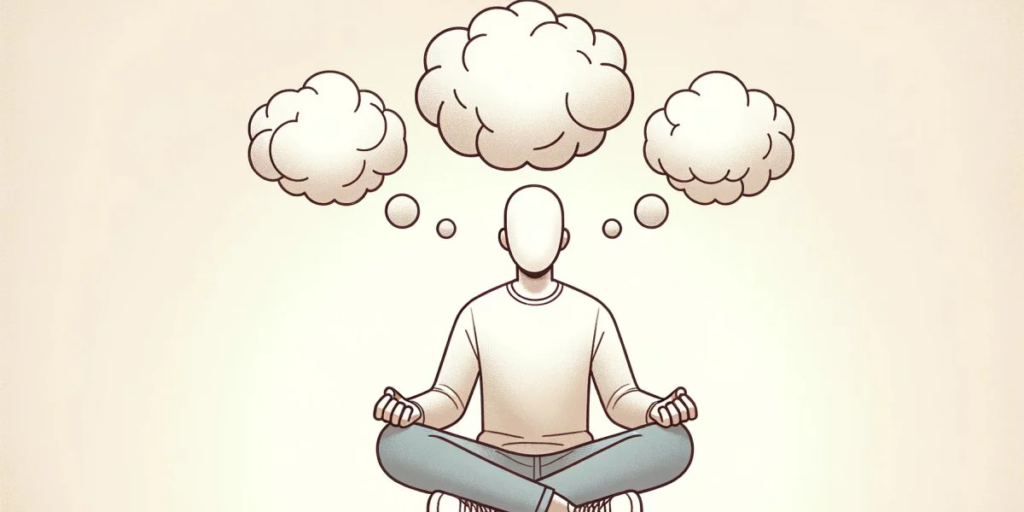

There is something quietly powerful about being fully present. Yet in today’s fast-moving world, presence often feels out of reach. Our minds are constantly pulled between what has already happened and what might happen next. We replay conversations, worry about outcomes, and drift away from the only moment we truly have—the present.
Mindfulness offers a way to return. It is not about escaping your thoughts or creating a perfectly calm mind. Instead, it is about noticing what is happening right now, without trying to change it. As more people search for ways to reduce stress and improve mental clarity—something clearly reflected in rising searches on platforms like Google—mindfulness has become a practical and essential part of modern life.
Living fully in the present does not require a complete life overhaul. It begins with small shifts in awareness that gradually change how you experience each moment.
Understanding Mindfulness in a Simple Way

Mindfulness is often described in complicated terms, but its essence is simple. It is the act of paying attention to your experience as it unfolds, with curiosity and without judgment.
This means noticing your thoughts without getting lost in them. It means feeling your emotions without immediately reacting. It means being aware of your surroundings rather than moving through them unconsciously.
You do not need special skills to be mindful. You only need awareness.
The simplicity of mindfulness is what makes it so powerful. It is always available to you, no matter where you are or what you are doing.
Why We Struggle to Stay Present
The human mind is naturally active. It is designed to think, analyze, and predict. While this ability is useful, it can also pull us away from the present moment.
You may notice that your mind jumps from one thought to another, often without your control. This constant movement can create stress and make it difficult to focus.
Modern life adds another layer of distraction. Technology, multitasking, and busy schedules make it easy to operate on autopilot.
Mindfulness helps you break this cycle.
It brings your attention back to what is happening right now, creating a sense of stability in an otherwise chaotic mental environment.

The Hidden Cost of Not Being Present
When you are not fully present, you miss out on the richness of your experiences. Conversations become surface-level, moments pass unnoticed, and life begins to feel repetitive.
This lack of presence can also increase stress. When your mind is constantly focused on the future, it creates worry. When it stays in the past, it can create regret.
Living in this mental space takes energy.
Mindfulness helps you reclaim that energy by bringing your focus back to the present.
It allows you to experience life more deeply and with greater clarity.
The Beauty of the Present Moment

The present moment is often overlooked because it feels ordinary. But within that ordinary space lies something extraordinary.
When you slow down and pay attention, you begin to notice details you may have missed before. The sound of your breath, the feeling of your surroundings, the subtle changes in your emotions.
These small details create a richer experience of life.
Being present does not mean every moment is perfect. It means every moment is real.
And in that reality, there is a sense of peace that cannot be found in overthinking or distraction.
Starting with Your Breath
One of the simplest ways to practice mindfulness is through your breath.
Your breath is always with you. It does not require effort, yet it provides a powerful anchor for your attention.
When you focus on your breathing, you naturally bring your mind into the present moment.
You may notice the sensation of air entering and leaving your body.
If your mind wanders, you gently bring it back.
This simple practice trains your attention and builds awareness over time.
Letting Thoughts Come and Go

A common misconception about mindfulness is that it requires you to stop thinking. This is not true.
Thoughts are a natural part of the mind.
Mindfulness teaches you to observe your thoughts without becoming attached to them.
Imagine your thoughts as clouds passing through the sky. You notice them, but you do not need to hold onto them.
This perspective creates distance between you and your thoughts.
It allows you to experience them without being controlled by them.
Over time, this reduces overthinking and creates mental clarity.
Bringing Mindfulness into Everyday Activities
Mindfulness does not have to be limited to quiet moments. It can be practiced throughout your day.
Simple activities like eating, walking, or even washing your hands can become mindful experiences.

When you bring your full attention to what you are doing, you create a deeper connection with the moment.
For example, when eating, you can notice the taste, texture, and smell of your food.
This awareness transforms a routine activity into something meaningful.
It also helps you feel more grounded and present.
The Role of Acceptance
Acceptance is a key part of mindfulness. It means acknowledging your experience as it is, without resistance.
This does not mean you approve of everything that happens. It means you allow yourself to experience it without adding extra struggle.
Resistance often creates tension.
Acceptance creates space.
When you accept your thoughts and emotions, you reduce the need to control them.
This leads to a greater sense of ease and calm.
Dealing with Distractions

Distractions are a natural part of life. They will always be there.
Mindfulness does not eliminate distractions, but it changes how you respond to them.
Instead of becoming frustrated, you learn to notice when your attention shifts.
You then gently bring it back to the present moment.
This process strengthens your focus.
It also helps you become more patient with yourself.
Over time, distractions become less overwhelming.
Building a Consistent Practice
Consistency is more important than intensity when it comes to mindfulness.
You do not need to spend hours practicing.
Even a few minutes each day can make a difference.
The key is to create a habit.
You can start by choosing a specific time each day to pause and focus on your breath.
As this becomes part of your routine, mindfulness begins to feel natural.
It becomes something you carry with you throughout the day.
The Emotional Benefits of Mindfulness

Mindfulness has a powerful impact on your emotional well-being.
It helps you become more aware of your feelings.
This awareness allows you to respond rather than react.
Instead of being overwhelmed by emotions, you can observe them with clarity.
This creates a sense of balance.
You become less affected by external situations and more grounded in your own experience.
Strengthening Focus and Clarity
In a world full of distractions, focus is a valuable skill.
Mindfulness trains your attention.
It helps you stay engaged with what you are doing.
This improves your productivity and decision-making.
Clarity comes from being present.
When your mind is not scattered, you can think more clearly.
This clarity extends to all areas of your life.
Making Mindfulness a Lifestyle

Mindfulness is not just a practice. It is a way of living.
It influences how you think, feel, and act.
When you make mindfulness a part of your lifestyle, you begin to experience life differently.
You become more aware of your choices.
You respond with intention rather than reacting impulsively.
This shift creates a sense of control and balance.
Embracing Imperfection
Mindfulness is not about doing things perfectly.
There will be days when your mind feels busy and distracted.
That is part of the process.
The goal is not to eliminate these moments, but to notice them.
Each time you bring your attention back, you are practicing mindfulness.
This practice is enough.
Over time, it creates lasting change.
Conclusion
Mindfulness does not require complicated techniques or drastic changes. It is a simple yet powerful way to live fully in the present.
By bringing your attention to the moment you are in, you create a sense of clarity and calm.
You begin to experience life more deeply.
Living in the present is not about ignoring the past or future. It is about fully engaging with what is happening right now.
Through mindfulness, you discover that the present moment is not something to rush through.
It is something to experience, appreciate, and live.
And in doing so, you create a life that feels more balanced, meaningful, and real.
FAQs
1. What is mindfulness in simple words?
Mindfulness is the practice of paying attention to the present moment without judgment.
2. How can I practice mindfulness daily?
You can practice mindfulness by focusing on your breath and being aware of your actions throughout the day.
3. Can mindfulness help reduce stress?
Yes, mindfulness helps calm the mind and reduces overthinking, which lowers stress levels.
4. Do I need meditation to be mindful?
No, mindfulness can be practiced during everyday activities without formal meditation.
5. How long does it take to see results from mindfulness?
With regular practice, you may start noticing improved focus and calmness within a few weeks.

8 Spiritual Lessons That Will Change Your Perspective
Life often moves so quickly that we rarely pause to question what truly matters. We…

10 Simple Mindfulness Practices to Reduce Stress and Anxiety
In today’s fast-moving world, stress and anxiety have quietly become a part of everyday life….

10 Powerful Ways to Discover Your Life Purpose
At some point in life, almost everyone pauses and wonders, “What am I really meant…

7 Signs You Need Better Emotional Control Today
There are moments in life when your emotions seem to take over before you even…

How to Meditate Properly: A Simple Step-by-Step Guide
In a world that constantly demands your attention, finding a moment of stillness can feel…

Emotional Healing: 10 Proven Ways to Move Forward with Confidence
Emotional pain is something everyone experiences, yet very few people truly understand how to deal…