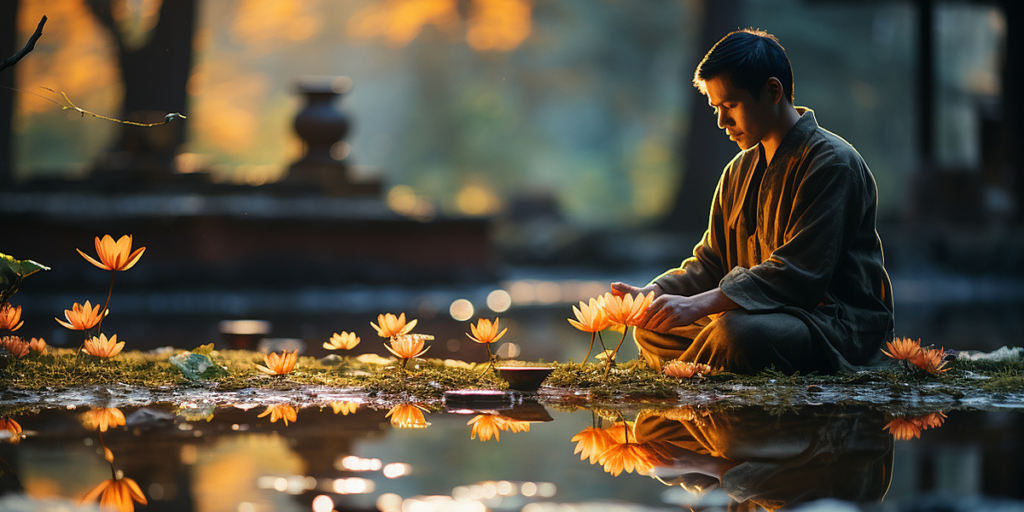

In a world that constantly demands attention, productivity, and external success, many people are quietly searching for something deeper. There is a growing desire to feel connected, not just to others, but to oneself. This desire often leads to spirituality. Not the complicated or ritual-heavy version that many imagine, but a simple, grounded way of living that brings meaning and inner peace.
Spiritual living does not require you to withdraw from the world or follow strict rules. It is not about perfection or having all the answers. Instead, it is about building a relationship with yourself and understanding your place in the world around you. As interest in this topic continues to rise on platforms like Google, it is clear that people are looking for practical ways to bring spirituality into their everyday lives.
The beauty of spiritual living lies in its simplicity. It is not something distant or difficult to reach. It is something you can experience in small, meaningful moments every day.
Understanding Spirituality in a Modern Way

Spirituality often carries different meanings for different people. For some, it is connected to religion. For others, it is about personal growth, awareness, and inner peace.
In a modern context, spirituality is less about external practices and more about internal connection.
It is about understanding your thoughts, emotions, and values.
It is about asking deeper questions about life, purpose, and meaning.
This understanding makes spirituality more accessible.
It becomes something personal, something you define for yourself.
Letting Go of the Need for Complexity
One of the biggest misconceptions about spirituality is that it must be complex. Many believe it requires special knowledge, rituals, or a complete lifestyle change.
In reality, simplicity is at the heart of spiritual living.
Letting go of complexity allows you to focus on what truly matters.
It helps you remove unnecessary pressure and expectations.
Spirituality becomes less about doing more and more about being present.
This shift creates space for clarity and peace.
Connecting with Yourself

At its core, spiritual living begins with self-connection.
This means taking time to understand who you are beyond roles and responsibilities.
It involves listening to your thoughts and feelings without judgment.
When you connect with yourself, you become more aware of your needs and desires.
This awareness helps you make choices that align with your values.
It also creates a sense of stability.
No matter what is happening around you, you remain grounded within yourself.
Finding Meaning in Everyday Life
Meaning is not something that only exists in major life events. It can be found in everyday experiences.
A quiet moment, a meaningful conversation, or even a simple act of kindness can carry deep significance.
Spiritual living encourages you to notice these moments.
It helps you see value in things you may have overlooked.
This perspective transforms your daily life.
Instead of searching for meaning, you begin to recognize it where you are.
The Role of Presence in Spiritual Living

Being present is a key part of spirituality.When you are present, you are fully engaged with the moment.
You are not distracted by past regrets or future worries.This presence creates a sense of peace.
It allows you to experience life as it is, without resistance.Practicing presence does not require perfection.
It simply involves bringing your attention back whenever it drifts.
Over time, this becomes a natural habit.
Letting Go of What You Cannot Control
A significant part of inner peace comes from letting go.Many people hold onto things they cannot control, creating stress and frustration.
Spiritual living encourages acceptance.It teaches you to focus on what you can influence and release what you cannot.
This does not mean you stop caring.It means you stop carrying unnecessary burdens.
Letting go creates space for calm and clarity.
Building Inner Peace Through Awareness

Inner peace is not something you find outside of yourself. It is something you create within.
Awareness plays a crucial role in this process.
When you become aware of your thoughts and emotions, you gain insight into your inner world.
This awareness allows you to respond rather than react.
It helps you maintain balance, even in challenging situations.
Over time, this creates a deep sense of peace.
Embracing Silence and Stillness
In a noisy world, silence can feel uncomfortable. However, it is in silence that you often find clarity.
Taking time to be still allows your mind to settle.
It gives you an opportunity to reflect and reconnect.
These moments do not have to be long.
Even a few minutes of quiet can make a difference.
Stillness helps you step away from constant stimulation and return to yourself.
Living with Intention
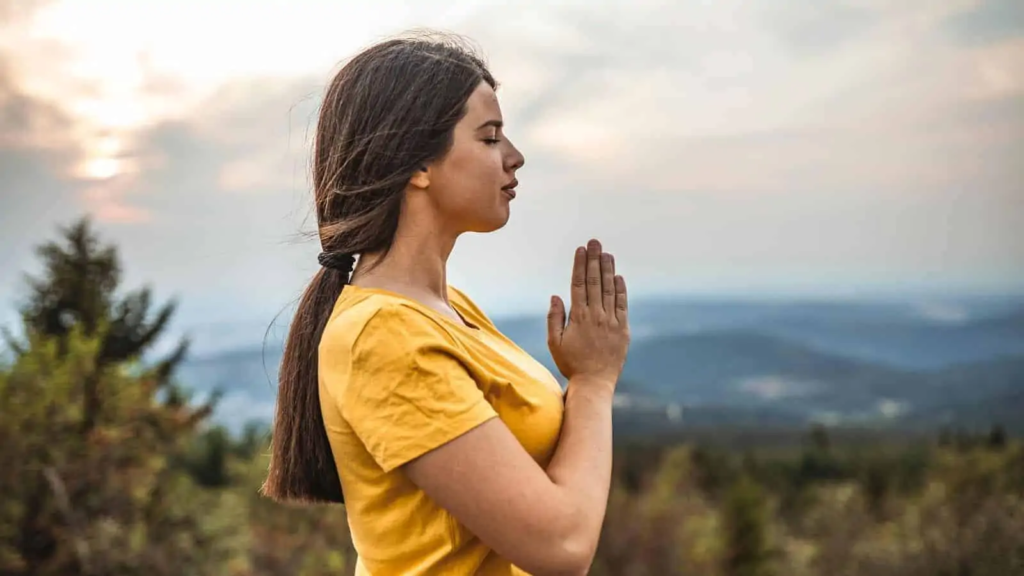
Spiritual living is closely connected to intentional living.
It involves making choices that reflect your values.Instead of acting on autopilot, you become more conscious of your actions.
This awareness creates a sense of purpose.It helps you live in a way that feels meaningful.
Intentional living does not require big changes.Small, thoughtful decisions can have a powerful impact.
Strengthening Your Emotional Balance
Spirituality also supports emotional balance.By understanding your emotions, you become less overwhelmed by them.
You learn to observe your feelings without being controlled by them.This creates stability.
It allows you to navigate life with greater ease.Emotional balance is not about avoiding difficult feelings.
It is about handling them with awareness and acceptance.
Creating a Sense of Gratitude
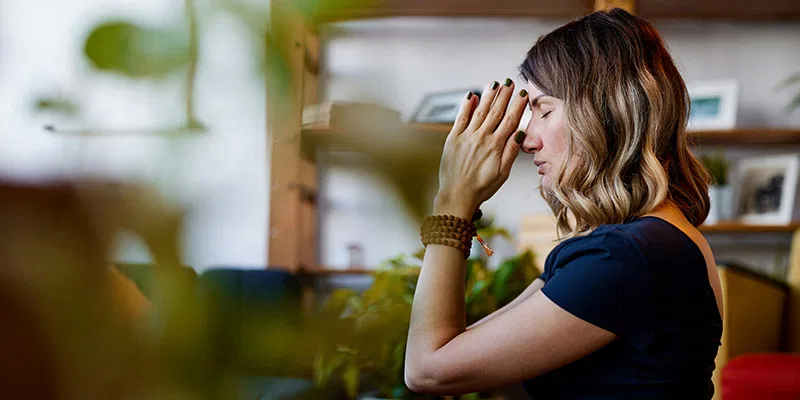
Gratitude is a simple yet powerful aspect of spiritual living.
It shifts your focus from what is missing to what is present.When you practice gratitude, you begin to notice the positive aspects of your life.
This does not mean ignoring challenges.It means acknowledging that there is always something to appreciate.
Gratitude creates a sense of contentment.It helps you feel more connected to your life.
Letting Go of Comparison
Comparison can disrupt your sense of peace.
It creates unnecessary pressure and dissatisfaction.Spiritual living encourages you to focus on your own journey.
Everyone’s path is different.By letting go of comparison, you create space for self-acceptance.
You begin to appreciate your unique experiences.
This shift strengthens your connection with yourself.
Growing Through Life’s Experiences

Spiritual growth is not about avoiding challenges. It is about learning from them.Every experience carries a lesson.
Difficult moments often lead to deeper understanding.By reflecting on your experiences, you gain insight.
This insight helps you grow.Growth is an ongoing process.
It shapes your perspective and deepens your sense of meaning.
Making Spirituality Part of Your Daily Life
Spirituality does not have to be separate from your daily routine.
It can be integrated into everything you do.
Simple practices like being present, expressing gratitude, and reflecting on your thoughts can bring spirituality into your life.
These small actions create consistency.
Over time, spirituality becomes a natural part of your lifestyle.It influences how you think, feel, and act.
Conclusion
Spiritual living does not have to be complicated. It is a simple, meaningful way of connecting with yourself and the world around you.
By focusing on presence, awareness, and intention, you can create a sense of inner peace.This approach allows you to experience life more deeply.
It helps you find meaning in everyday moments.Living spiritually is not about perfection. It is about authenticity.It is about being true to yourself and embracing your journey.
When you simplify spirituality, you make it accessible.You realize that peace and meaning are not something you have to search for endlessly.
They are already within you, waiting to be recognized.
FAQs
1. What is spiritual living in simple terms?
Spiritual living means being aware of yourself, your thoughts, and your actions while finding meaning and peace in everyday life.
2. Do I need religion to be spiritual?
No, spirituality is personal and does not require following any specific religion.
3. How can I start living a spiritual life?
You can start by being present, practicing gratitude, and reflecting on your thoughts and feelings.
4. Can spirituality improve mental health?
Yes, it can create inner peace, reduce stress, and improve emotional balance.
5. Is spiritual living difficult to maintain?
No, it becomes easier with consistency and can be integrated into your daily routine.

8 Spiritual Lessons That Will Change Your Perspective
Life often moves so quickly that we rarely pause to question what truly matters. We…

10 Simple Mindfulness Practices to Reduce Stress and Anxiety
In today’s fast-moving world, stress and anxiety have quietly become a part of everyday life….

10 Powerful Ways to Discover Your Life Purpose
At some point in life, almost everyone pauses and wonders, “What am I really meant…

7 Signs You Need Better Emotional Control Today
There are moments in life when your emotions seem to take over before you even…
How to Meditate Properly: A Simple Step-by-Step Guide
In a world that constantly demands your attention, finding a moment of stillness can feel…

Emotional Healing: 10 Proven Ways to Move Forward with Confidence
Emotional pain is something everyone experiences, yet very few people truly understand how to deal…