

Emotional pain is something everyone experiences, yet very few people truly understand how to deal with it. It can come from heartbreak, failure, rejection, or even moments that seemed small at the time but left a deep impact. Over time, this pain can quietly shape the way you think, act, and see yourself.
You may find yourself overthinking, doubting your worth, or feeling stuck in memories you cannot change. Moving forward can feel confusing, especially when part of you wants to let go, but another part is still holding on.
The reality is that healing is not about erasing the past. It is about learning how to live freely despite it. When you begin this process, you slowly rebuild not just your emotional strength, but also your confidence in who you are and where you are going.
Why Emotional Healing Feels So Difficult

Emotional healing is not difficult because you are weak. It is difficult because your mind is trying to protect you. When something painful happens, your brain holds onto it as a way to prevent you from getting hurt again. This is why certain memories keep coming back, even when you want to forget them.
At the same time, many people grow up believing that they should ignore their emotions or “stay strong” by not expressing them. This creates a habit of suppression. Instead of processing emotions, they bury them. Over time, those unprocessed feelings build up and create anxiety, stress, and self-doubt.
Understanding this changes everything. You realize that you are not broken. You are simply carrying emotions that were never fully processed.
The First Shift: Accepting What You Feel
One of the most powerful steps in emotional healing is acceptance. This does not mean you like what happened. It means you stop fighting your own feelings.
When you allow yourself to feel sadness, anger, or confusion without judging it, you create space for those emotions to move through you instead of staying stuck inside. Resistance keeps pain alive, while acceptance begins to dissolve it.
This is often uncomfortable at first. You may feel vulnerable or exposed. But this discomfort is not a sign of weakness—it is a sign that healing has begun.
Understanding the Root of Your Pain

Emotional wounds often go deeper than the surface situation. What hurts is not always just what happened, but what it made you believe about yourself.
For example, a failure might turn into a belief that you are not good enough. A rejection might make you feel unworthy. These hidden beliefs quietly affect your confidence and your decisions.
When you take time to reflect on your experiences, you begin to uncover these patterns. This awareness gives you the power to challenge them. Instead of accepting negative beliefs as truth, you start seeing them as stories created from pain.
Letting Go Without Losing Yourself
Letting go is one of the most misunderstood parts of healing. Many people think it means forgetting or pretending that nothing happened. In reality, letting go means releasing the emotional weight attached to the experience.
You still remember what happened, but it no longer controls your thoughts or defines your identity. You stop replaying the same story in your mind and start focusing on what you can build moving forward.
This shift does not happen instantly. It happens gradually, as you choose again and again to focus on the present instead of the past.
Rebuilding Your Inner Strength Through Daily Actions

Healing is not just emotional—it is also practical. What you do every day plays a major role in how you feel.
When you start taking care of yourself, even in small ways, you send a powerful message to your mind that you matter. Writing your thoughts down can help you release what you are holding inside. Spending quiet time with yourself allows clarity to grow. Taking care of your physical health improves your mental state more than you might expect.
These actions may feel simple, but they create consistency, and consistency builds stability. Over time, that stability turns into strength.
The Role of Your Environment in Healing
Your surroundings have a deep impact on your emotional state. The people you spend time with, the content you consume, and the environment you live in all influence how you feel.
When you are surrounded by negativity, criticism, or constant stress, healing becomes harder. On the other hand, being around supportive and understanding people can make a significant difference.
This does not mean you need a perfect environment. It means being intentional about choosing what supports your growth instead of what drains you.
How Confidence Grows After Emotional Healing

Confidence is often misunderstood as something you either have or don’t have. In reality, confidence is built through experience, especially through difficult moments.
As you heal, you begin to trust yourself more. You realize that you can handle pain, face challenges, and still move forward. This realization creates a quiet, steady confidence.
It is not loud or showy. It is calm and grounded. It comes from knowing that no matter what happens, you have the ability to deal with it.
When Progress Feels Slow
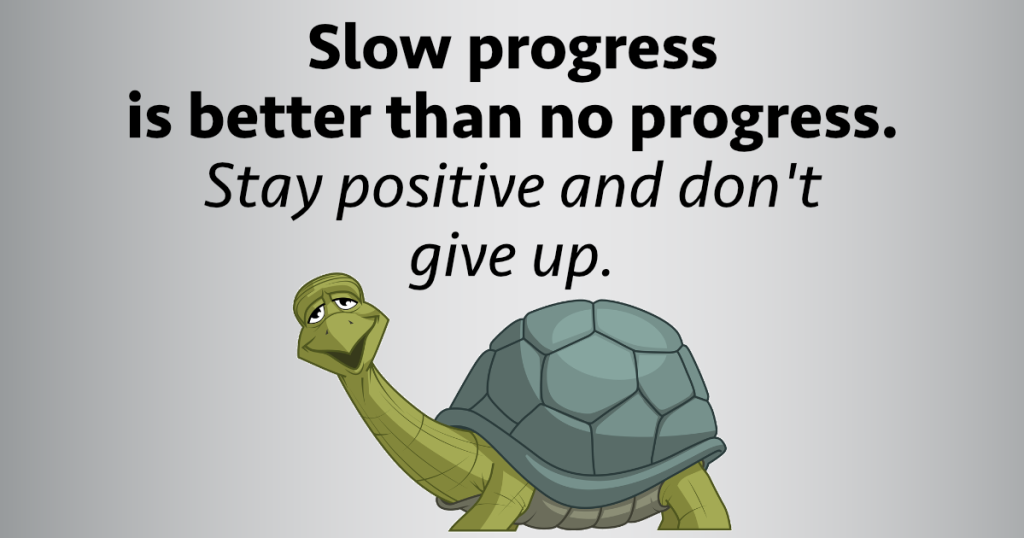
There will be times when it feels like nothing is changing. You may feel like you are putting in effort but not seeing results. This is one of the most challenging parts of healing.
What is important to understand is that progress is often invisible. Just because you do not see immediate results does not mean nothing is happening. Growth is taking place beneath the surface.
The key is to keep going. Even small steps matter. Over time, those small steps create a transformation that feels natural and lasting.
Conclusion
Healing emotionally and moving forward with confidence is not about becoming a completely different person. It is about reconnecting with who you truly are beneath the pain.
As you go through this journey, you begin to release what no longer serves you and build a stronger, more confident version of yourself. The process takes time, but every step forward matters.
You are not stuck. You are in the process of becoming.
FAQs
1. How long does it take to heal emotionally?
It depends on the person, but healing takes time and consistent self-awareness rather than a fixed timeline.
2. Is it normal to feel stuck during emotional healing?
Yes, healing is not linear, and feeling stuck is a natural part of the process.
3. Can you heal emotionally on your own?
Yes, but support from others or professionals can make the journey easier and faster.
4. Why is letting go so difficult?
Because your mind holds onto pain as a way to protect you from getting hurt again.
5. How do I rebuild confidence after emotional pain?
By taking small actions, challenging self-doubt, and gradually trusting yourself again.

8 Spiritual Lessons That Will Change Your Perspective
Life often moves so quickly that we rarely pause to question what truly matters. We…

10 Simple Mindfulness Practices to Reduce Stress and Anxiety
In today’s fast-moving world, stress and anxiety have quietly become a part of everyday life….

10 Powerful Ways to Discover Your Life Purpose
At some point in life, almost everyone pauses and wonders, “What am I really meant…

7 Signs You Need Better Emotional Control Today
There are moments in life when your emotions seem to take over before you even…

How to Meditate Properly: A Simple Step-by-Step Guide
In a world that constantly demands your attention, finding a moment of stillness can feel…

Self-Love Made Simple: Feel Good About Who You Are
In a world that constantly encourages comparison, achievement, and perfection, learning to feel good about…