
In today’s fast-moving world, stress and anxiety have quietly become a part of everyday life. From constant notifications to endless responsibilities, the mind rarely gets a chance to slow down. Many people find themselves stuck in a cycle of overthinking, worrying about the future, or replaying past situations. In the middle of all this noise, mindfulness offers a simple yet powerful way to reconnect with the present moment.
Mindfulness is not about eliminating stress completely or forcing your mind to be calm all the time. Instead, it is about becoming aware of your thoughts, feelings, and surroundings without judgment. It allows you to pause, breathe, and respond to life with clarity rather than reacting automatically. The beauty of mindfulness is that it does not require complicated techniques or long hours of practice. Even small moments of awareness can make a significant difference.
When practiced regularly, mindfulness can help reduce anxiety, improve focus, and create a sense of inner balance. It brings your attention back to what is happening right now, helping you feel more grounded and in control.
Becoming Aware of Your Breath

One of the simplest ways to practice mindfulness is by paying attention to your breath. Breathing happens naturally, but we rarely notice it unless something feels wrong. By focusing on your breath, you create a connection between your body and mind.
Taking a few moments to observe each inhale and exhale can calm your nervous system. You do not need to change your breathing pattern. Simply noticing it is enough. This practice helps you step away from racing thoughts and brings your attention back to the present moment.
Over time, this awareness becomes a tool you can use whenever you feel overwhelmed or anxious.
Observing Your Thoughts Without Judgment
Many people struggle with stress because they get caught up in their thoughts. It is easy to believe that every thought is true or important, but not all thoughts deserve your attention.
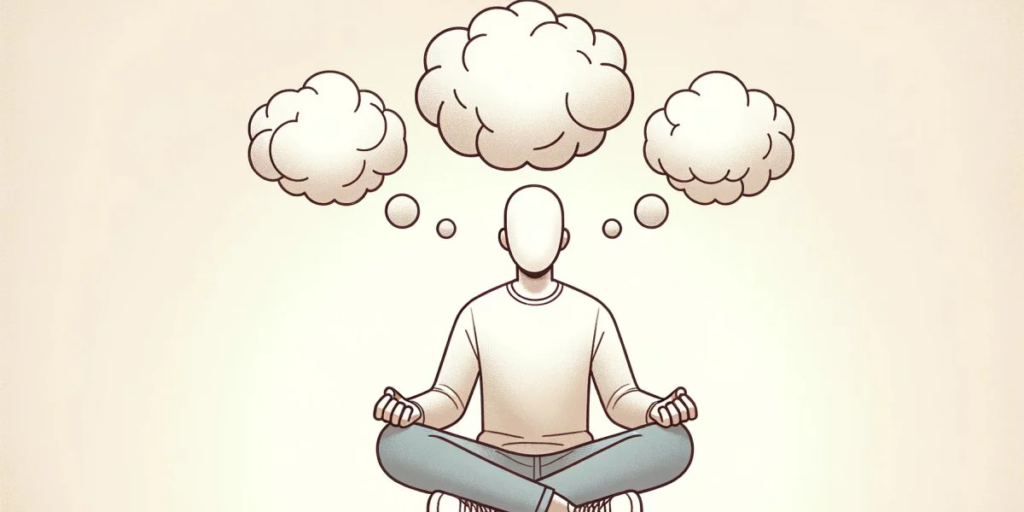
Mindfulness encourages you to observe your thoughts without reacting to them. Imagine your thoughts as clouds passing in the sky. They come and go, but they do not define you.
By creating distance between yourself and your thoughts, you reduce their intensity. This practice helps you avoid overthinking and allows you to respond to situations more calmly.
Slowing Down Your Daily Activities

Life often feels rushed, with tasks piling up and time slipping away. This constant hurry can increase stress and reduce your ability to focus.
Practicing mindfulness in daily activities means slowing down and giving your full attention to what you are doing. Whether it is eating, walking, or even washing dishes, being fully present can turn ordinary moments into calming experiences.
When you slow down, you begin to notice details that you would normally overlook. This awareness not only reduces stress but also makes your day feel more meaningful.
Creating Moments of Stillness
In a busy routine, moments of stillness are often ignored. However, these quiet moments are essential for mental clarity and emotional balance.
Taking a few minutes each day to sit quietly without distractions can help you reset your mind. You do not need to achieve anything during this time. Simply being present is enough.
These moments of stillness act as a pause button, allowing your mind to rest and recharge. Over time, they help reduce anxiety and improve your ability to handle challenges.
Paying Attention to Your Body

Your body constantly communicates with you, but these signals are often overlooked. Stress and anxiety can manifest physically, leading to tension, fatigue, or discomfort.
Mindfulness involves paying attention to how your body feels. This might include noticing areas of tension, your posture, or the way your body responds to different situations.
By becoming more aware of your body, you can take steps to relax and release tension. This connection between body and mind plays a key role in reducing stress.
Practicing Gratitude in the Present Moment
Stress often comes from focusing on what is missing or what could go wrong. Gratitude shifts your attention to what is already present and positive in your life.
Taking a moment to appreciate small things, such as a pleasant conversation or a peaceful environment, can change your perspective. This practice does not ignore challenges but helps balance your thoughts.
Gratitude brings a sense of calm and contentment, making it easier to manage anxiety.
Letting Go of the Need to Control Everything

One of the main causes of anxiety is the desire to control situations that are beyond your influence. When things do not go as planned, it can create frustration and stress.
Mindfulness teaches acceptance. This does not mean giving up or being passive. It means recognizing what you can and cannot control.
By letting go of the need to control everything, you reduce unnecessary pressure. This shift allows you to focus on what truly matters and respond more effectively.
Limiting Mental Overload
The constant flow of information can overwhelm the mind. Notifications, social media, and endless tasks make it difficult to focus and relax.
Mindfulness encourages you to create space by reducing mental clutter. This might involve taking breaks from screens, setting boundaries, or simply allowing yourself time without input.
When your mind is not overloaded, it becomes easier to think clearly and feel calm.
Bringing Awareness to Your Emotions

Emotions play a significant role in how you experience stress and anxiety. Ignoring or suppressing emotions often makes them stronger.
Mindfulness involves acknowledging your emotions without judgment. Instead of labeling them as good or bad, you simply notice how you feel.
This awareness helps you understand your emotional patterns and respond in a healthier way. It also prevents emotions from building up and becoming overwhelming.
Building a Consistent Mindfulness Habit
The true benefits of mindfulness come from consistency. Practicing it occasionally can help, but making it a regular part of your routine creates lasting change.
This does not mean setting aside long hours every day. Even a few minutes of mindful awareness can make a difference. The key is to integrate mindfulness into your daily life in a way that feels natural.
Over time, these small practices become habits, helping you stay calm and focused even in stressful situations.
The Impact of Mindfulness on Your Life

When you begin to practice mindfulness regularly, you may notice subtle changes at first. Your thoughts become less overwhelming, your reactions become calmer, and your focus improves.
As these changes build over time, they create a deeper sense of balance and clarity. You become more aware of your choices and less controlled by automatic reactions.
Mindfulness does not remove challenges from your life, but it changes how you experience them. It gives you the ability to respond with awareness rather than react with stress.
Finding Peace in the Present Moment
One of the most powerful aspects of mindfulness is its ability to bring you back to the present moment. Stress and anxiety often come from thinking about the past or worrying about the future.
By focusing on the present, you create a sense of stability. The present moment is where life happens, and being fully engaged in it can bring a sense of peace.
This practice helps you appreciate what is happening right now, rather than constantly chasing what comes next.
Conclusion
Mindfulness is a simple yet powerful way to reduce stress and anxiety in your daily life. It does not require perfection or complicated techniques. Instead, it invites you to slow down, become aware, and reconnect with the present moment.
By practicing mindfulness through small, consistent actions, you can create a sense of calm and clarity that supports your overall well-being. Whether it is focusing on your breath, observing your thoughts, or simply being present in your daily activities, each step brings you closer to a more balanced life.
The journey of mindfulness is not about changing who you are but about understanding yourself better. With patience and consistency, you can develop a mindset that allows you to handle stress with ease and live more peacefully.
FAQs
1. What is mindfulness and how does it help reduce stress?
Mindfulness is the practice of being fully present and aware of your thoughts, feelings, and surroundings. It helps reduce stress by calming the mind and preventing overthinking.
2. How long should I practice mindfulness each day?
Even a few minutes of mindfulness can be beneficial. Consistency is more important than duration, so start with a short practice and gradually increase it if needed.
3. Can mindfulness help with anxiety?
Yes, mindfulness can help manage anxiety by reducing negative thought patterns and increasing awareness of the present moment.
4. Do I need meditation to practice mindfulness?
No, mindfulness can be practiced in everyday activities such as walking, eating, or breathing. Meditation is just one way to practice it.
5. How can I stay consistent with mindfulness?
Start with simple practices and integrate them into your daily routine. Setting reminders or linking mindfulness to existing habits can help maintain consistency.

8 Spiritual Lessons That Will Change Your Perspective
Life often moves so quickly that we rarely pause to question what truly matters. We…

10 Powerful Ways to Discover Your Life Purpose
At some point in life, almost everyone pauses and wonders, “What am I really meant…

7 Signs You Need Better Emotional Control Today
There are moments in life when your emotions seem to take over before you even…
How to Meditate Properly: A Simple Step-by-Step Guide
In a world that constantly demands your attention, finding a moment of stillness can feel…

Emotional Healing: 10 Proven Ways to Move Forward with Confidence
Emotional pain is something everyone experiences, yet very few people truly understand how to deal…

Self-Love Made Simple: Feel Good About Who You Are
In a world that constantly encourages comparison, achievement, and perfection, learning to feel good about…