

In today’s fast-moving world, many people feel a quiet sense that something is missing. Even with success, comfort, and constant connection through technology, there is often a deeper longing for meaning, peace, and inner fulfillment. This is where spirituality enters the picture. Spiritual growth is no longer limited to ancient traditions or specific belief systems. In 2026, it has become a personal journey that people across the world are exploring in their own unique ways. The growing interest in spirituality is clearly reflected in what people search on platforms like Google, where topics related to inner peace, mindfulness, and self-discovery continue to rise.
Awakening your soul is not about changing who you are. It is about reconnecting with your true self. It is about peeling away layers of stress, distraction, and conditioning to discover a deeper sense of clarity and purpose. This modern guide to spiritual growth is not about rigid rules or complicated practices. It is about simple, meaningful shifts that can transform the way you experience life.
Understanding Spiritual Growth in the Modern World

Spiritual growth today is more flexible and personal than ever before. It is not confined to religion or tradition. Instead, it is about developing a deeper awareness of yourself and your connection to the world around you.
For some, spirituality may involve meditation or mindfulness. For others, it might be found in nature, creativity, or quiet reflection. What matters is not the method but the intention behind it.
Modern spirituality focuses on inner transformation rather than external rituals. It encourages you to explore your thoughts, emotions, and beliefs in a way that brings clarity and peace.
As you begin to understand what spirituality means to you, you create a path that feels authentic and meaningful.
The Call to Awaken
Spiritual awakening often begins with a feeling. It might be a sense of restlessness, a desire for something more, or a realization that your current way of living does not fully satisfy you.
This call is not something to ignore. It is an invitation to explore deeper aspects of yourself and your life.
Awakening does not happen all at once. It is a gradual process that unfolds over time. It involves becoming more aware of your thoughts, your habits, and the patterns that shape your life.
As you respond to this call, you begin to see the world differently. You become more present, more aware, and more connected.
Letting Go of External Noise

One of the biggest challenges in modern life is the constant noise. Social media, notifications, and endless information can make it difficult to focus on what truly matters.
Spiritual growth requires space. It requires moments of quiet where you can reflect and reconnect with yourself.
Letting go of external noise does not mean disconnecting completely from the world. It means creating balance. It means choosing when to engage and when to step back.
By reducing distractions, you allow your inner voice to become clearer. This is where true growth begins.
Connecting with Your Inner Self
At the heart of spiritual growth is the connection with your inner self. This is the part of you that exists beyond your roles, responsibilities, and external identity.
Connecting with your inner self involves listening to your intuition, understanding your emotions, and being honest with yourself.
This connection helps you make decisions that align with your values and purpose. It also brings a sense of peace and clarity.
The more you connect with your inner self, the more confident and grounded you become.
The Role of Mindfulness in Spiritual Growth
Mindfulness is one of the most powerful tools for spiritual growth. It is the practice of being fully present in the moment without judgment.
In a world filled with distractions, mindfulness helps you slow down and become aware of your thoughts and surroundings.
This awareness allows you to respond to situations with clarity rather than reacting automatically.
Mindfulness can be practiced in simple ways, such as focusing on your breath, paying attention to your surroundings, or being fully present in your daily activities.
Over time, this practice deepens your connection with yourself and enhances your overall well-being.
Embracing Change and Transformation
Spiritual growth often involves change. As you become more aware, you may begin to question old beliefs, habits, and patterns.
This can feel uncomfortable, but it is a necessary part of the process. Growth requires letting go of what no longer serves you.
Transformation is not about losing yourself. It is about becoming more aligned with who you truly are.
As you embrace change, you create space for new perspectives and experiences.
This process can be challenging, but it is also deeply rewarding.
Developing Compassion and Gratitude
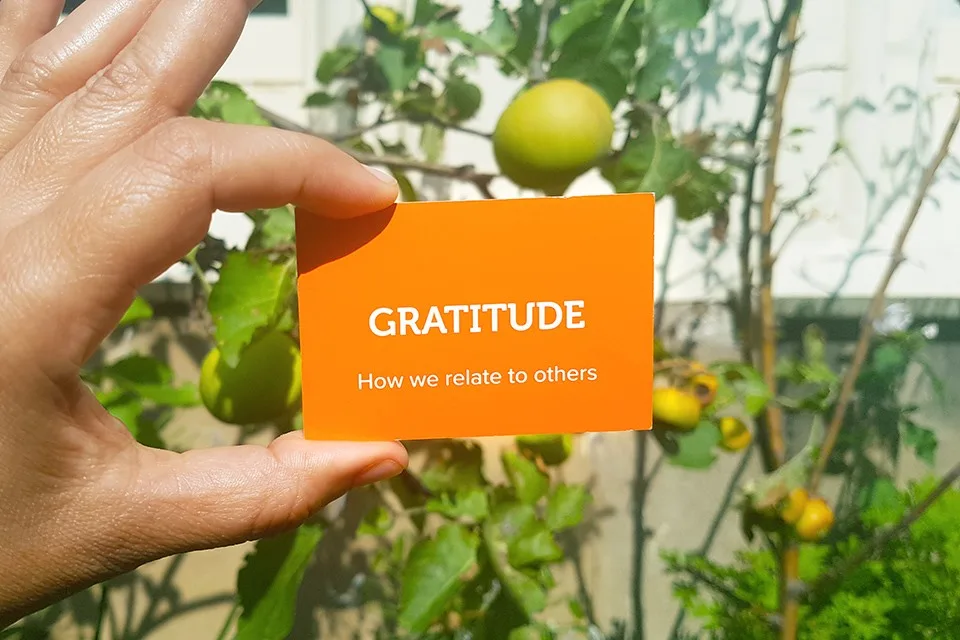
Two key aspects of spiritual growth are compassion and gratitude. These qualities help you shift your focus from negativity to positivity.
Compassion allows you to understand and connect with others on a deeper level. It encourages kindness and empathy.
Gratitude helps you appreciate what you have rather than constantly seeking more. It brings a sense of contentment and peace.
By cultivating these qualities, you create a more positive and fulfilling life.
They also strengthen your connection with others and the world around you.
Finding Meaning and Purpose
One of the most important aspects of spiritual growth is discovering your sense of purpose. This does not necessarily mean finding one specific goal. It means understanding what gives your life meaning.
Purpose can be found in many ways, such as helping others, pursuing your passions, or simply living in alignment with your values.
When you have a sense of purpose, your actions become more intentional. You feel more motivated and fulfilled.
Spiritual growth helps you connect with this deeper sense of meaning and guides you in your journey.
Building a Daily Spiritual Practice
Consistency is key to spiritual growth. While big moments of realization can be powerful, it is the daily practices that create lasting change.
A daily spiritual practice does not have to be complicated. It can be as simple as taking a few minutes to reflect, meditate, or express gratitude.
The goal is to create a routine that supports your growth and keeps you connected to your inner self.
Over time, these practices become a natural part of your life and contribute to your overall well-being.
Overcoming Doubt and Staying Committed

Like any journey, spiritual growth comes with challenges. There may be moments of doubt, confusion, or frustration.
It is important to remember that these moments are part of the process. Growth is not always linear. There will be ups and downs.
Staying committed requires patience and trust. It means continuing your journey even when progress is not immediately visible.
By staying consistent and open-minded, you can overcome these challenges and continue to grow.
Living a Spiritually Aligned Life
As you progress on your spiritual journey, you begin to align your life with your values and beliefs. This alignment creates a sense of harmony and balance.
You become more intentional in your actions and more aware of your choices. You focus on what truly matters and let go of what does not.
Living a spiritually aligned life does not mean being perfect. It means being authentic and true to yourself.
This authenticity brings a deep sense of peace and fulfillment.
Conclusion
Awakening your soul is a journey of self-discovery, growth, and transformation. It is about reconnecting with your true self and creating a life that feels meaningful and balanced.
In a world filled with distractions and demands, spiritual growth offers a path to clarity, peace, and purpose. It helps you navigate challenges with greater awareness and resilience.
By embracing mindfulness, letting go of what no longer serves you, and staying committed to your journey, you can unlock your inner potential.
Spiritual growth is not about reaching a final destination. It is about continuously evolving and becoming more aligned with who you truly are.
FAQs
1. What is spiritual growth?
Spiritual growth is the process of developing a deeper understanding of yourself and your connection to life, leading to greater peace and clarity.
2. How do I start my spiritual journey?
You can start by practicing mindfulness, reflecting on your thoughts, and exploring what brings you a sense of meaning and purpose.
3. Do I need religion for spiritual growth?
No, spiritual growth is personal and does not require following a specific religion. It is about your own inner journey.
4. How long does spiritual growth take?
Spiritual growth is a lifelong process. It evolves over time as you continue to learn and grow.
5. Can spiritual growth improve my daily life?
Yes, it can improve your mental clarity, emotional balance, and overall sense of fulfillment.

Heal from Within: The New Path to Emotional Freedom
There comes a point in life when you realize that no external change can truly…

Choose Yourself First: The New Self-Love Revolution
There was a time when choosing yourself was often misunderstood. It was seen as selfish,…

Spiritual Awakening: How to Connect with Your Higher Self
In today’s fast-moving world, many people are beginning to feel a quiet pull toward something…

Mindfulness Mastery: How to Live Fully in the Present Moment
In a time when life feels faster than ever, many people find themselves constantly thinking…

How to Find Your Life Purpose and Follow It with Confidence
In a world full of distractions, expectations, and constant noise, it is easy to feel…

Emotional Intelligence Secrets for Better Decisions and Relationships
In a world where quick reactions and constant communication define our daily lives, understanding emotions…