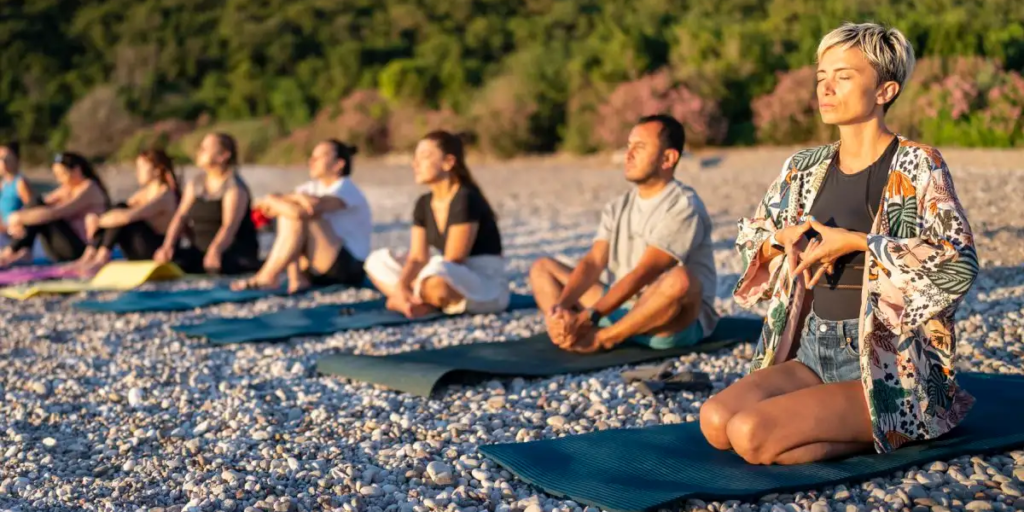
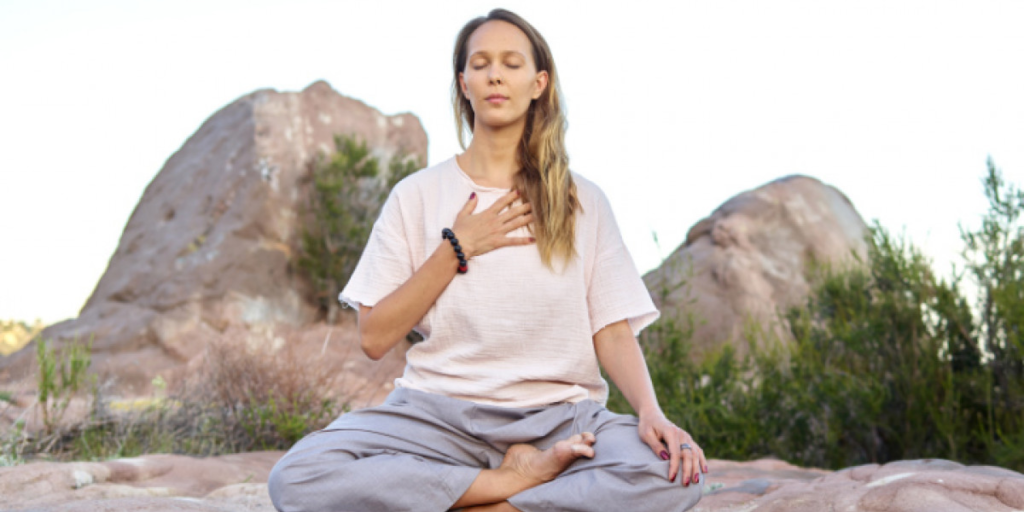
In a world that rarely slows down, finding moments of calm can feel almost impossible. Notifications, responsibilities, and constant mental chatter create a sense of overwhelm that many people carry throughout their day. It is no surprise that more individuals are turning inward, searching for ways to find peace within themselves. Meditation has emerged as one of the most powerful tools for achieving this inner calm.
Today, meditation is no longer seen as something reserved for monks or spiritual retreats. It has become a practical and accessible practice embraced by people from all walks of life. The rise in interest is evident across platforms like Google, where searches related to mindfulness, stress relief, and mental clarity continue to grow.
The new age approach to meditation is not about strict rules or perfection. It is about creating space in your life to pause, breathe, and reconnect with yourself. It is a gentle yet powerful way to calm your mind and transform how you experience the world.
Understanding Meditation in Today’s World
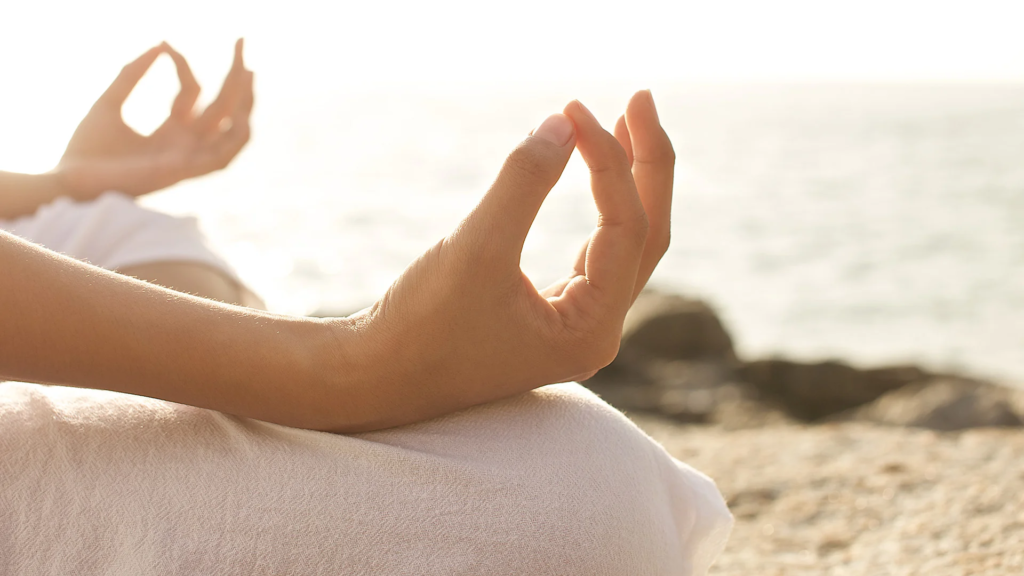
Meditation, at its core, is the practice of focusing your attention and becoming aware of the present moment. It is not about stopping your thoughts completely, as many people believe. Instead, it is about observing your thoughts without getting caught up in them.
In today’s fast-paced environment, the mind is constantly stimulated. This can lead to stress, anxiety, and a feeling of being mentally exhausted.
Meditation offers a way to step back from this constant activity. It allows you to create a sense of stillness, even in the middle of a busy day.
The modern approach to meditation is flexible. It adapts to your lifestyle rather than requiring you to change everything about your routine.
Why Calming the Mind Matters More Than Ever
A restless mind can affect every aspect of your life. It can make it difficult to focus, disrupt your sleep, and impact your emotional well-being.
Calming your mind is not just about relaxation. It is about creating clarity and balance.
When your mind is calm, you are better able to make decisions, handle challenges, and connect with others.
Meditation helps you develop this sense of calm by training your mind to stay present.
Over time, this practice creates a more stable and peaceful mental state.
Letting Go of Common Misconceptions
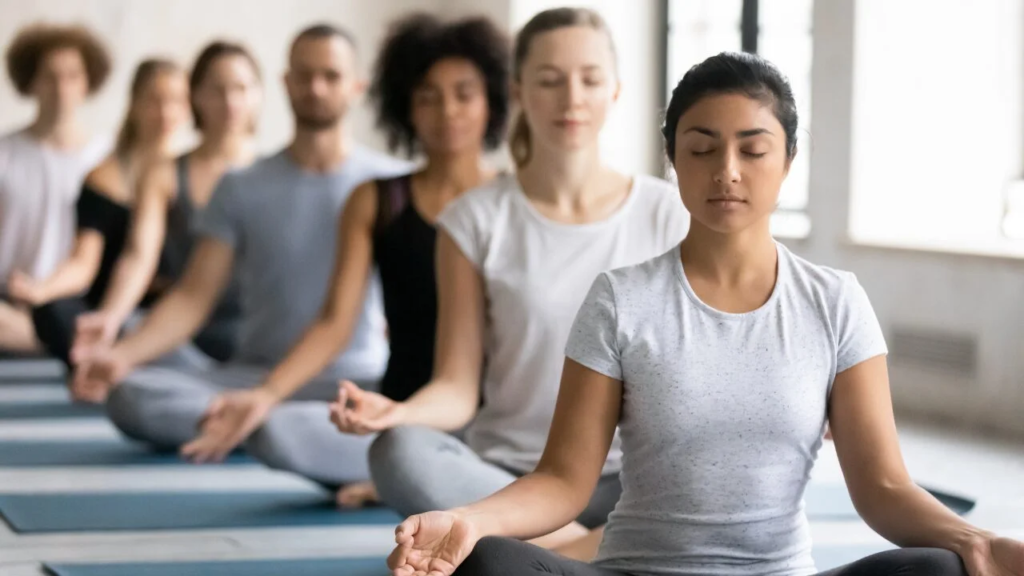
Many people hesitate to try meditation because they believe they are not doing it correctly. They may think that their mind is too busy or that they cannot sit still long enough.
These misconceptions often prevent people from experiencing the benefits of meditation.
The truth is that there is no perfect way to meditate. Your mind will wander, and that is completely normal.
Meditation is not about achieving perfection. It is about practicing awareness.
Each time you bring your attention back to the present moment, you are strengthening your ability to focus and stay calm.
Starting Your Meditation Journey
Beginning a meditation practice does not require any special equipment or extensive knowledge. It simply requires a willingness to start.
You can begin by setting aside a few minutes each day to sit quietly and focus on your breath.
Your breath serves as an anchor, helping you stay present.
As thoughts arise, you can acknowledge them and gently return your attention to your breath.
This simple practice is enough to begin experiencing the benefits of meditation.
Over time, you can explore different techniques and find what works best for you.
Creating a Space for Stillness

Your environment can influence your meditation experience. Creating a calm and comfortable space can make it easier to relax and focus.
This space does not need to be elaborate. It can be a quiet corner in your home or any place where you feel at ease.
The goal is to create an environment that supports your practice.
Over time, this space becomes associated with calmness and relaxation.
It helps signal to your mind that it is time to slow down.
The Role of Breath in Meditation
Breathing is a natural and constant process, yet it often goes unnoticed. In meditation, the breath becomes a powerful tool.
Focusing on your breath helps anchor your attention in the present moment.
It also has a calming effect on your body and mind.
Slow, deep breathing can reduce stress and create a sense of relaxation.
By becoming aware of your breath, you create a connection between your mind and body.
This connection is essential for achieving a calm and balanced state.
Dealing with Distractions

Distractions are a natural part of meditation. Your mind may wander, or external noises may interrupt your focus.
Instead of becoming frustrated, it is important to approach these distractions with patience.
Each time you notice your mind wandering, gently bring your attention back.
This process is part of the practice.
Over time, you become better at maintaining focus and staying present.
Distractions become less disruptive as your awareness grows.
The Benefits of Consistent Practice
Consistency is key when it comes to meditation. Even a few minutes of daily practice can create noticeable changes.
Regular meditation can improve focus, reduce stress, and enhance emotional well-being.
It also helps you develop a greater sense of self-awareness.
These benefits build over time, creating a lasting impact on your life.
The more you practice, the more natural it becomes.
Meditation becomes a part of your daily routine rather than something you have to think about.
Integrating Meditation into Daily Life
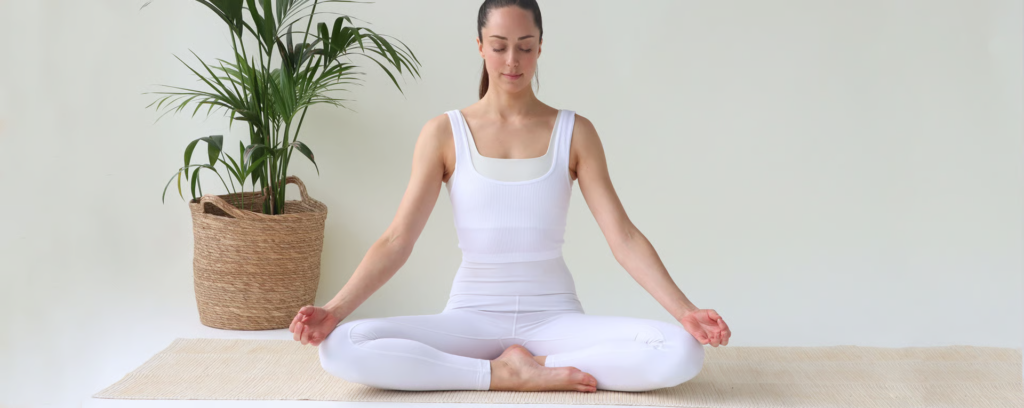
Meditation does not have to be limited to a specific time or place. It can be integrated into your daily activities.
You can practice mindfulness while walking, eating, or even during conversations.
This involves bringing your full attention to the present moment.
By incorporating meditation into your daily life, you create more opportunities for calm and clarity.
It becomes a continuous practice rather than a separate activity.
Overcoming Challenges in Meditation
Like any new habit, meditation comes with challenges. You may find it difficult to stay consistent or feel discouraged when your mind wanders.
It is important to approach these challenges with patience.
Progress in meditation is not always visible, but it is happening.
Each session contributes to your growth.
By staying committed, you gradually overcome these challenges.
The key is to keep showing up, even when it feels difficult.
The Connection Between Meditation and Emotional Well-Being
Meditation has a profound impact on your emotions. It helps you become more aware of your feelings and how you respond to them.
This awareness allows you to manage your emotions more effectively.
Instead of reacting impulsively, you can respond with clarity and intention.
Meditation creates a space between your thoughts and actions.
This space gives you the freedom to choose how you respond.
Over time, this leads to greater emotional balance and resilience.
Exploring Different Meditation Styles
There are many different styles of meditation, each offering unique benefits. Some focus on breath awareness, while others involve guided visualization or repetition of sounds.
Exploring different styles allows you to find what resonates with you.
The new age approach to meditation encourages flexibility.
You are not limited to one method.
You can adapt your practice to suit your needs and preferences.
This flexibility makes meditation more accessible and enjoyable.
Building a Long-Term Practice

Meditation is not a quick fix. It is a long-term practice that evolves over time.
As you continue, you may notice changes in your thoughts, emotions, and overall well-being.
These changes may be subtle at first, but they become more noticeable with consistency.
Building a long-term practice involves commitment and patience.
It is about making meditation a part of your lifestyle.
Over time, it becomes a natural and effortless habit.
Conclusion
Meditation offers a simple yet powerful way to calm your mind and create a sense of balance in your life. In a world filled with constant noise and distraction, taking time to pause and reconnect with yourself is more important than ever.
The new age guide to meditation is not about perfection or rigid rules. It is about finding what works for you and creating a practice that fits your life.
By embracing meditation, you give yourself the opportunity to experience greater clarity, peace, and emotional well-being.
This journey may begin with just a few minutes each day, but its impact can be profound.
As you continue to practice, you will discover that the calm you seek is not something you have to find outside. It is something you can create within yourself.
FAQs
1. What is meditation and how does it work?
Meditation is the practice of focusing your attention and becoming aware of the present moment, helping to calm the mind and reduce stress.
2. How long should I meditate each day?
You can start with just a few minutes daily and gradually increase the duration as you become more comfortable.
3. Can meditation help with anxiety and stress?
Yes, regular meditation can reduce stress and improve emotional balance by calming the mind.
4. What if my mind keeps wandering during meditation?
It is normal for the mind to wander. The key is to gently bring your focus back without judgment.
5. Do I need any special tools to meditate?
No, meditation does not require special tools. You only need a quiet space and a willingness to practice.

8 Spiritual Lessons That Will Change Your Perspective
Life often moves so quickly that we rarely pause to question what truly matters. We…

10 Simple Mindfulness Practices to Reduce Stress and Anxiety
In today’s fast-moving world, stress and anxiety have quietly become a part of everyday life….

10 Powerful Ways to Discover Your Life Purpose
At some point in life, almost everyone pauses and wonders, “What am I really meant…

7 Signs You Need Better Emotional Control Today
There are moments in life when your emotions seem to take over before you even…
How to Meditate Properly: A Simple Step-by-Step Guide
In a world that constantly demands your attention, finding a moment of stillness can feel…

Emotional Healing: 10 Proven Ways to Move Forward with Confidence
Emotional pain is something everyone experiences, yet very few people truly understand how to deal…