

There was a time when emotions were something people tried to control, hide, or even ignore. Being “too emotional” was often seen as a weakness, and many were taught to suppress their feelings in order to appear strong. But today, that perspective is changing. A new understanding is emerging, one that recognizes emotions not as obstacles, but as essential parts of a meaningful and fulfilling life.
To feel deeply is not a flaw. It is a strength. It is what allows you to experience life in its fullest form. Joy becomes richer, connections become deeper, and even challenges carry lessons that shape who you are. In a world where emotional awareness is becoming more important, as reflected in growing interest across platforms like Google, people are beginning to explore what it truly means to understand and embrace their emotions.
Living fully does not mean avoiding pain or chasing constant happiness. It means allowing yourself to feel, to understand, and to grow. It is about creating a relationship with your emotions that supports your well-being rather than controlling it.
Rethinking the Role of Emotions in Your Life
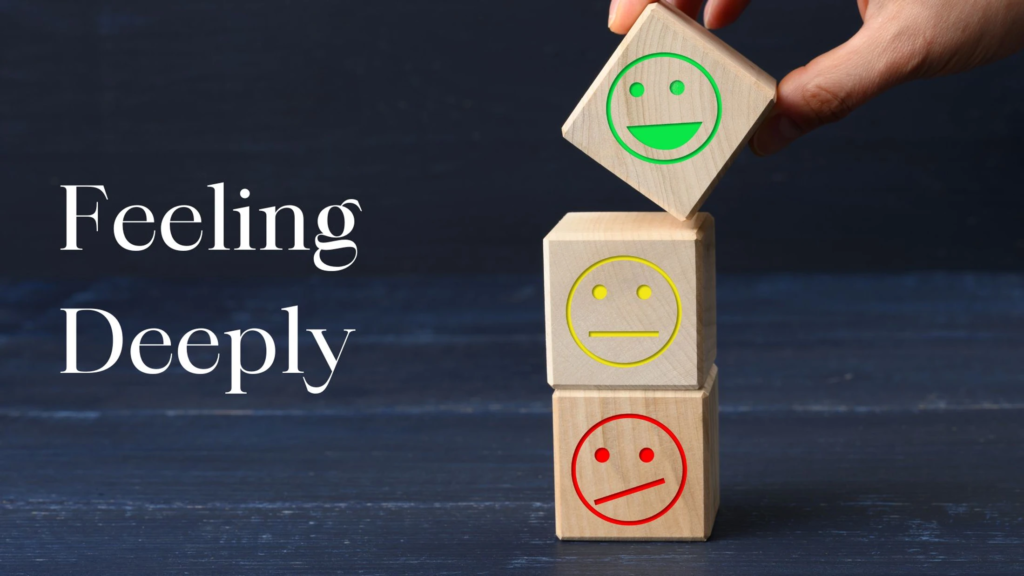
Emotions are often misunderstood as something that needs to be managed or fixed. In reality, emotions are signals. They provide valuable information about your experiences, needs, and environment.
When you feel happiness, it may be a sign that something aligns with your values. When you feel discomfort or sadness, it may be an indication that something needs attention.
Instead of viewing emotions as problems, you can begin to see them as guides.
This shift in perspective allows you to approach your emotions with curiosity rather than judgment.
It creates a foundation for understanding yourself on a deeper level.
The Power of Emotional Awareness
Emotional awareness is the ability to recognize and understand your feelings as they arise. It is a skill that can transform how you experience life.
When you are aware of your emotions, you are less likely to react impulsively. Instead, you can respond with intention.
This awareness creates a sense of clarity.
It allows you to identify patterns in your thoughts and behaviors.
Over time, emotional awareness helps you build a stronger connection with yourself.
It becomes easier to navigate challenges and make decisions that align with your values.
Allowing Yourself to Feel Without Judgment

One of the most important aspects of emotional well-being is allowing yourself to feel without judgment.
Many people label their emotions as good or bad. They may try to hold onto positive feelings and avoid negative ones.
However, all emotions serve a purpose.
Suppressing certain emotions can create imbalance.
When you allow yourself to feel without judgment, you create space for acceptance.
This acceptance does not mean you enjoy every emotion. It means you acknowledge it without resistance.
This simple shift can have a profound impact on your mental and emotional health.
Breaking the Habit of Emotional Suppression
Emotional suppression is a common habit, often developed as a way to cope with difficult situations.
While it may provide temporary relief, it can lead to long-term challenges.
Suppressed emotions do not disappear. They can resurface in unexpected ways, such as stress, anxiety, or frustration.
Breaking this habit involves creating a safe space for your emotions.
This may include expressing your feelings through conversation, writing, or quiet reflection.
By allowing your emotions to surface, you begin to process and release them.
This process is essential for emotional balance.
Understanding the Connection Between Emotions and Thoughts

Emotions and thoughts are closely connected. Your thoughts can influence how you feel, and your emotions can shape your thinking.
Becoming aware of this connection can help you better understand your reactions.
For example, a negative thought pattern can amplify feelings of stress or sadness.
By recognizing these patterns, you can begin to shift your perspective.
This does not mean ignoring your emotions. It means understanding the role your thoughts play in shaping them.
This awareness creates an opportunity for growth and change.
Building Emotional Resilience
Emotional resilience is the ability to navigate challenges and recover from difficult experiences.
It does not mean avoiding hardship. It means developing the strength to move through it.
Feeling deeply can actually enhance resilience.
When you allow yourself to fully experience your emotions, you also give yourself the opportunity to learn from them.
This process builds inner strength.
It helps you adapt to change and handle future challenges with greater confidence.
Resilience is not about being unaffected. It is about being able to recover and grow.
Creating Healthy Emotional Expression

Expressing your emotions in a healthy way is an important part of living fully.
This involves finding constructive ways to release and communicate your feelings.
Healthy expression can take many forms, such as talking to someone you trust, engaging in creative activities, or simply taking time to reflect.
The goal is not to suppress or overwhelm others with your emotions, but to process them in a way that supports your well-being.
When you express your emotions, you prevent them from building up.
This creates a sense of relief and clarity.
Letting Go of Emotional Overload
In a world filled with constant stimulation, it is easy to become emotionally overwhelmed.
Information, responsibilities, and social interactions can all contribute to this feeling.
Letting go of emotional overload involves creating space for rest and reflection.
This may include setting boundaries, limiting exposure to stressors, or taking breaks when needed.
Giving yourself time to recharge is essential.
It allows your mind and emotions to settle.
This balance helps you maintain a sense of calm and stability.
Strengthening Your Emotional Intelligence

Emotional intelligence is the ability to understand and manage your own emotions while also recognizing the emotions of others.
It plays a crucial role in relationships and personal growth.
By developing emotional intelligence, you improve your ability to communicate and connect with others.
You become more empathetic and understanding.
This not only enhances your relationships but also contributes to your overall well-being.
Emotional intelligence is a skill that can be developed with practice and awareness.
Embracing Vulnerability as Strength
Vulnerability is often seen as a risk. It involves opening up and allowing others to see your true self.
However, vulnerability is also a source of strength.
It allows you to form deeper connections and build trust.
When you embrace vulnerability, you create opportunities for meaningful relationships.
You also develop a stronger sense of self-acceptance.
Being vulnerable does not mean being weak. It means being authentic.
This authenticity is essential for living fully.
Aligning Your Life with Your Emotional Truth

Living fully involves aligning your actions with your emotional truth.
This means being honest with yourself about what you feel and what you need.
When your actions reflect your true emotions, life feels more authentic.
This alignment creates a sense of fulfillment.
It allows you to make choices that support your well-being.
Ignoring your emotional truth can lead to dissatisfaction.
Listening to it helps guide your decisions and create a more meaningful life.
Cultivating a Balanced Emotional Life
Balance is key when it comes to emotions. It is not about eliminating certain feelings, but about creating harmony.
This involves acknowledging all emotions while maintaining a sense of stability.
Practices such as reflection, mindfulness, and self-care can support this balance.
Over time, you develop a greater sense of control and understanding.
A balanced emotional life allows you to navigate both positive and challenging experiences with ease.

Conclusion
Feeling deeply is not something to be feared or avoided. It is a powerful part of being human. When you allow yourself to fully experience your emotions, you open the door to a richer and more meaningful life.
The new approach to emotions is not about control or suppression. It is about awareness, acceptance, and growth.
By understanding your emotions, expressing them in healthy ways, and aligning your life with your emotional truth, you create a sense of balance and fulfillment.
Living fully means embracing every part of your experience, both the highs and the lows.
It means recognizing that your emotions are not obstacles, but guides that lead you toward a deeper understanding of yourself.
When you learn to feel deeply, you begin to live more authentically. And in that authenticity, you find a life that is not only meaningful, but truly fulfilling.
FAQs
1. What does it mean to feel deeply?
Feeling deeply means being fully aware of and connected to your emotions rather than suppressing or ignoring them.
2. Is it healthy to experience strong emotions?
Yes, experiencing emotions is a natural part of life, and understanding them can improve emotional well-being.
3. How can I manage overwhelming emotions?
You can manage them by practicing awareness, taking breaks, and expressing your feelings in healthy ways.
4. What is emotional intelligence?
Emotional intelligence is the ability to understand, manage, and respond to emotions effectively.
5. Can embracing emotions improve my life?
Yes, understanding and embracing your emotions can lead to better relationships, decision-making, and overall happiness.

8 Spiritual Lessons That Will Change Your Perspective
Life often moves so quickly that we rarely pause to question what truly matters. We…

10 Simple Mindfulness Practices to Reduce Stress and Anxiety
In today’s fast-moving world, stress and anxiety have quietly become a part of everyday life….

10 Powerful Ways to Discover Your Life Purpose
At some point in life, almost everyone pauses and wonders, “What am I really meant…

7 Signs You Need Better Emotional Control Today
There are moments in life when your emotions seem to take over before you even…

How to Meditate Properly: A Simple Step-by-Step Guide
In a world that constantly demands your attention, finding a moment of stillness can feel…

Emotional Healing: 10 Proven Ways to Move Forward with Confidence
Emotional pain is something everyone experiences, yet very few people truly understand how to deal…