

Emotional healing is one of the most powerful yet misunderstood journeys a person can take. Life inevitably brings experiences that leave emotional marks, whether through heartbreak, loss, disappointment, or prolonged stress. These experiences can shape how you see yourself, how you relate to others, and how you move forward in life. While emotional pain is a natural part of being human, staying stuck in it does not have to be.
Healing yourself emotionally is not about erasing the past or pretending that nothing happened. It is about acknowledging your experiences, processing your emotions, and gradually creating space for peace, growth, and renewal. Starting fresh does not mean forgetting your story. It means learning from it and choosing to move forward with strength and clarity.
The process of emotional healing is deeply personal. There is no fixed timeline or single method that works for everyone. However, by understanding the key elements of healing and applying them consistently, you can begin to rebuild your inner world and create a more fulfilling life.
Understanding Emotional Pain and Its Impact

Emotional pain often runs deeper than physical discomfort. It can affect your thoughts, behavior, and overall outlook on life. When left unaddressed, it may lead to patterns such as self-doubt, fear, or avoidance.
Many people try to ignore or suppress their emotions, believing that this will make the pain go away. In reality, unprocessed emotions tend to resurface in different ways. They may appear as stress, anxiety, or difficulty in relationships.
Recognizing that your emotions are valid is the first step toward healing. Your feelings are a natural response to your experiences. Allowing yourself to feel them without judgment creates the foundation for emotional recovery.
Accepting Where You Are
One of the most important aspects of healing is acceptance. This does not mean agreeing with what happened or saying that it was fair. It means acknowledging your current reality without resistance.
Acceptance allows you to stop fighting against your emotions and start working through them. It creates a sense of clarity and helps you understand what you need to move forward.
When you accept where you are, you begin to regain control. Instead of being overwhelmed by your feelings, you can start to process them in a healthy and constructive way.
Allowing Yourself to Feel and Release Emotions


Healing requires you to feel your emotions rather than avoid them. This can be uncomfortable, especially when dealing with pain or sadness. However, allowing yourself to experience these feelings is essential for letting them go.
Emotions are like waves. They rise, peak, and eventually fade. When you resist them, they tend to stay longer. When you allow them to flow, they gradually lose their intensity.
Finding safe ways to express your emotions can help. This might include journaling, talking to someone you trust, or simply sitting quietly with your thoughts.
Releasing emotions is not about rushing the process. It is about giving yourself the time and space you need to heal.
Letting Go of the Past
Holding onto the past can prevent you from moving forward. Memories, regrets, and unresolved feelings can keep you stuck in a cycle of pain.
Letting go does not mean forgetting what happened. It means releasing the emotional weight attached to it. It involves accepting that the past cannot be changed and choosing to focus on the present.
This process can take time, especially if the experience was deeply impactful. However, with patience and self-compassion, it is possible to loosen the grip of the past.
Letting go creates space for new experiences and opportunities. It allows you to start fresh with a clearer perspective.
Practicing Self-Compassion
During the healing process, it is important to treat yourself with kindness. Many people are quick to blame themselves for what they went through, even when it was beyond their control.
Self-compassion involves recognizing that you are human and deserving of understanding. It means speaking to yourself in a supportive and gentle way.
Instead of focusing on what you could have done differently, try to acknowledge your efforts and resilience. Healing is not about being perfect. It is about being patient with yourself.
When you practice self-compassion, you create a supportive inner environment that encourages growth and recovery.
Rebuilding Your Sense of Self
Emotional pain can sometimes make you lose sight of who you are. It can affect your confidence and sense of identity.
Healing involves reconnecting with yourself. This means rediscovering your interests, values, and strengths.
Taking time to explore what brings you joy and fulfillment can help rebuild your sense of self. It allows you to create a life that feels meaningful and aligned with your true self.
As you reconnect with yourself, you begin to regain confidence and clarity.
Creating Healthy Boundaries

Boundaries are essential for emotional well-being. They help protect your energy and prevent situations that may cause harm.
Setting boundaries can be challenging, especially if you are used to putting others’ needs before your own. However, it is an important step in the healing process.
Boundaries allow you to create a safe space where you can focus on your recovery. They also help you build healthier relationships based on respect and understanding.
Learning to say no and prioritizing your well-being is a form of self-respect.
Focusing on the Present Moment
When you are healing, it is easy to get caught up in past experiences or worry about the future. Focusing on the present moment can help you stay grounded.
Being present allows you to experience life as it is, rather than through the lens of past pain. It helps reduce anxiety and creates a sense of calm.
Simple practices such as mindful breathing or paying attention to your surroundings can help you stay present.
The present moment is where healing happens. It is where you can make new choices and create new experiences.
Building a Support System
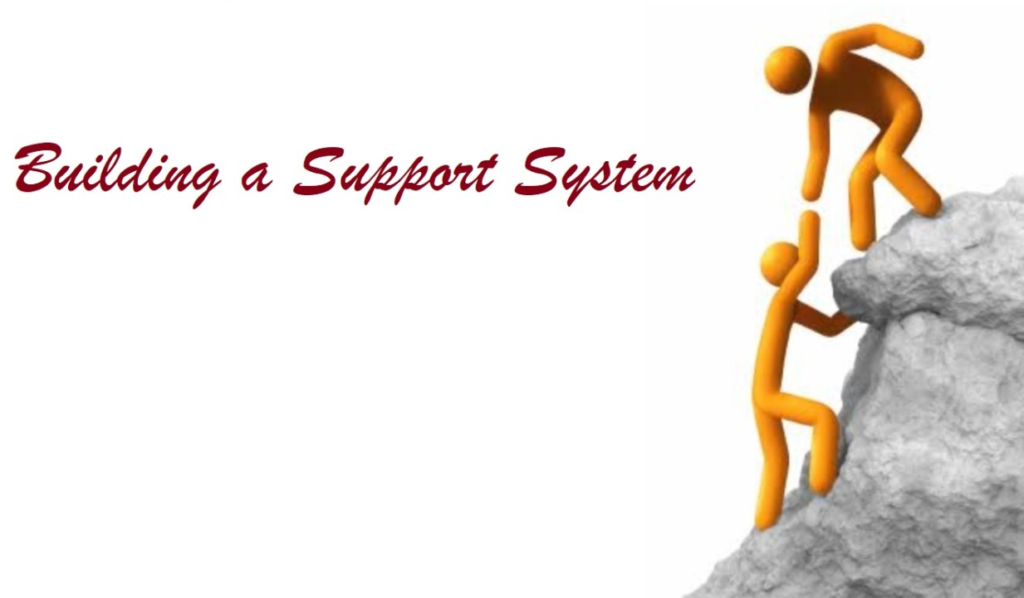
Healing does not have to be done alone. Having a support system can make a significant difference in your journey.
This support can come from friends, family, or even professional guidance. Talking to someone who understands can help you process your emotions and feel less isolated.
Sharing your experiences can also provide new perspectives and insights. It reminds you that you are not alone in your struggles.
A strong support system creates a sense of connection and reassurance.
Embracing Growth and New Beginnings
Healing is not just about recovering from the past. It is also about growing into a stronger and more resilient version of yourself.
Every experience, even painful ones, can offer valuable lessons. These lessons can help you make better choices and build a more fulfilling life.
Starting fresh means being open to new possibilities. It involves letting go of fear and embracing change.
Growth may feel uncomfortable at times, but it is a sign that you are moving forward.
Staying Patient with the Process

Healing takes time. It is not something that can be rushed or forced. There will be moments of progress and moments of difficulty.
Being patient with yourself allows the process to unfold naturally. It helps you avoid unnecessary pressure and frustration.
Every small step you take is part of your journey. Even on difficult days, you are still moving forward.
Patience is one of the most important qualities in emotional healing.
Conclusion
Healing yourself emotionally and starting fresh is a journey of self-discovery, growth, and renewal. It involves acknowledging your pain, processing your emotions, and gradually creating a life that feels balanced and fulfilling.
You do not have to have everything figured out to begin. The most important step is simply deciding to take care of yourself and move forward.
By practicing self-compassion, setting boundaries, and focusing on the present, you can create a strong foundation for healing.
Starting fresh does not mean leaving everything behind. It means carrying your lessons with you while creating space for new beginnings.
With time, patience, and effort, emotional healing can lead to a deeper sense of peace and a more meaningful life.
Frequently Asked Questions
1. How long does emotional healing take?
Emotional healing varies for each person. It can take weeks, months, or even longer depending on the situation and individual experiences.
2. Is it normal to feel worse before feeling better?
Yes, facing your emotions can feel intense at first. This is a natural part of the healing process and often leads to long-term relief.
3. Can I heal emotionally on my own?
Yes, self-healing is possible, but having support from others can make the process easier and more effective.
4. What are signs that I am healing emotionally?
Signs include feeling more at peace, having better control over your emotions, and being able to move forward without being overwhelmed by the past.
5. How can I start fresh after emotional pain?
Starting fresh involves letting go of the past, focusing on the present, and making choices that support your growth and well-being.

Heal from Within: The New Path to Emotional Freedom
There comes a point in life when you realize that no external change can truly…