
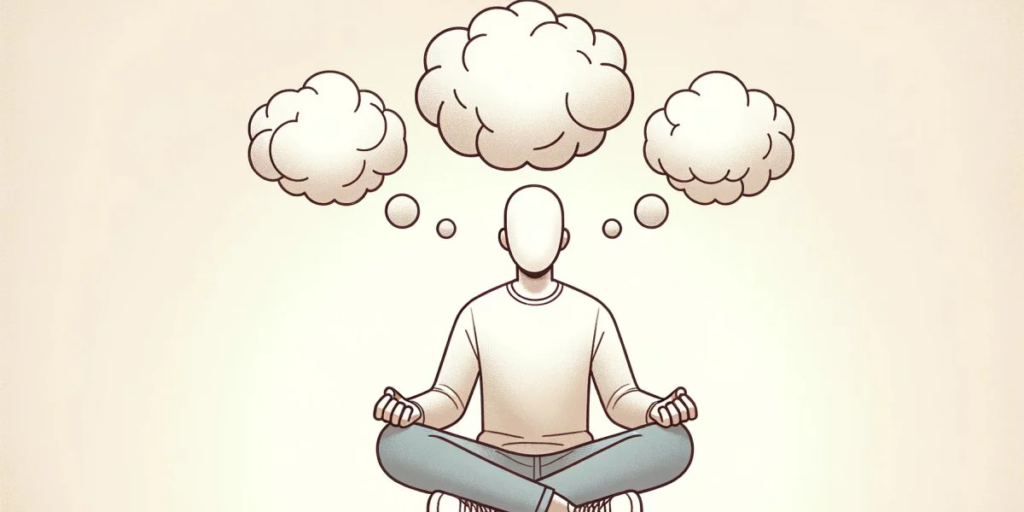
In a world that constantly demands your attention, mindfulness offers something rare and powerful: the ability to slow down and truly experience your life. Many people move through their days on autopilot, jumping from one task to another while their minds are stuck in the past or racing toward the future. This disconnection can lead to stress, anxiety, and a sense that life is passing by too quickly.
Mindfulness is the practice of being fully present in the moment. It is about paying attention to your thoughts, emotions, and surroundings without judgment. While it may sound simple, its impact can be profound. When you begin to practice mindfulness consistently, you start to notice changes not only in your mental state but also in how you approach everyday situations.
Transforming your daily life through mindfulness does not require drastic changes. It begins with small, intentional steps that gradually reshape your awareness and perspective.
Understanding What Mindfulness Really Means
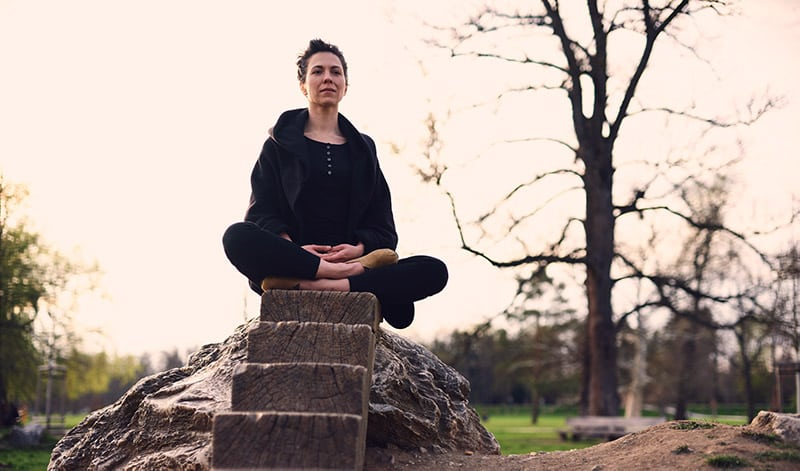
Mindfulness is often misunderstood as a complex or time-consuming practice. In reality, it is a natural ability that everyone already has. It simply involves becoming aware of what is happening right now.
This awareness includes your thoughts, feelings, bodily sensations, and the environment around you. Instead of reacting automatically, mindfulness allows you to observe your experiences with clarity.
The key aspect of mindfulness is non-judgment. This means noticing what is happening without labeling it as good or bad. When you remove judgment, you create space to understand your experiences more deeply.
Mindfulness is not about stopping your thoughts. It is about changing your relationship with them.
Why Mindfulness Matters in Everyday Life
Life today is filled with distractions. From constant notifications to busy schedules, it is easy to lose touch with the present moment. This can lead to mental fatigue and emotional imbalance.
Mindfulness helps you reconnect with the present. It allows you to pause and become aware of what you are experiencing. This awareness can reduce stress and improve your ability to focus.
When you are mindful, you respond to situations more thoughtfully instead of reacting impulsively. This can improve your relationships, decision-making, and overall well-being.
Over time, mindfulness can help you develop a sense of calm and stability, even in challenging situations.
Starting with Simple Awareness

One of the easiest ways to begin practicing mindfulness is by focusing on simple awareness. This involves paying attention to your current experience without trying to change it.
You might start by noticing your breathing. Observe the sensation of air moving in and out of your body. Feel the rise and fall of your chest.
Your mind will naturally wander. When it does, gently bring your attention back to your breath. This process of noticing and returning is the essence of mindfulness.
Simple awareness can be practiced at any time, whether you are sitting quietly or going about your daily activities.
Bringing Mindfulness into Your Routine
Mindfulness does not have to be limited to a specific time of day. You can integrate it into your routine by being fully present during everyday activities.
For example, when you are eating, pay attention to the taste, texture, and smell of your food. When you are walking, notice the sensation of your feet touching the ground.
Even routine tasks like washing dishes or brushing your teeth can become opportunities for mindfulness. The key is to focus your attention on what you are doing rather than letting your mind drift.
By incorporating mindfulness into your daily routine, you create more moments of awareness and presence.
Learning to Observe Your Thoughts

One of the most important aspects of mindfulness is observing your thoughts without getting caught up in them. Thoughts are constantly flowing, and it is easy to become overwhelmed by them.
Instead of trying to control your thoughts, try to watch them as if they were passing clouds. Notice them without attaching meaning or judgment.
This practice helps you realize that your thoughts do not define you. They are simply mental events that come and go.
As you develop this skill, you gain more control over your reactions and emotions.
Managing Emotions Through Mindfulness
Emotions can sometimes feel intense and difficult to manage. Mindfulness provides a way to navigate these feelings with greater ease.
When you experience a strong emotion, take a moment to observe it. Notice how it feels in your body and how it affects your thoughts.
By acknowledging your emotions without resisting them, you allow them to pass more naturally. This reduces the likelihood of being overwhelmed.
Mindfulness helps you respond to emotions with awareness rather than reacting impulsively. This can lead to healthier and more balanced responses.
Reducing Stress and Anxiety


One of the most well-known benefits of mindfulness is its ability to reduce stress and anxiety. When your mind is focused on the present, it is less likely to dwell on worries about the future or regrets about the past.
Mindfulness creates a sense of calm by grounding you in the present moment. It allows you to step back from stressful thoughts and see them more clearly.
Regular practice can help you build resilience, making it easier to handle challenging situations.
Over time, mindfulness can change the way you relate to stress, making it feel more manageable.
Improving Focus and Productivity
In a world full of distractions, maintaining focus can be difficult. Mindfulness helps train your attention, allowing you to stay engaged with what you are doing.
When you practice mindfulness, you strengthen your ability to concentrate. This can improve your productivity and efficiency.
Instead of multitasking, mindfulness encourages you to focus on one task at a time. This often leads to better results and a greater sense of accomplishment.
Improved focus also enhances your ability to learn and retain information.
Building Better Relationships


Mindfulness can have a positive impact on your relationships. When you are fully present with others, you listen more attentively and communicate more effectively.
Being mindful in conversations means giving your full attention without distractions. It involves truly hearing what the other person is saying.
This level of presence can strengthen your connections and create a deeper sense of understanding.
Mindfulness also helps you respond more calmly in conflicts, reducing misunderstandings and tension.
Developing a Consistent Practice
Like any skill, mindfulness requires consistency. Practicing regularly helps reinforce the habit and deepen your awareness.
You can start with just a few minutes each day and gradually increase the duration. The goal is not to force long sessions but to create a routine that feels manageable.
Consistency is more important than intensity. Even short periods of mindfulness can have a meaningful impact when practiced regularly.
Over time, mindfulness becomes a natural part of your daily life.
Embracing the Journey of Mindfulness

Mindfulness is not about achieving perfection. It is about being present with whatever arises, whether it is calm or chaos.
There will be moments when your mind feels restless or distracted. This is a normal part of the process.
Instead of judging yourself, approach your practice with curiosity and patience. Each moment of awareness is a step forward.
The journey of mindfulness is ongoing. It evolves as you grow and experience new aspects of life.
Conclusion
Practicing mindfulness and transforming your daily life is a gradual and rewarding process. It begins with simple awareness and grows into a deeper understanding of yourself and your experiences.
Mindfulness allows you to live more fully in the present, reducing stress and enhancing your overall well-being. It helps you respond to life with clarity and intention.
You do not need to change everything at once. By taking small steps and practicing consistently, you can create lasting change.
Over time, mindfulness becomes more than a practice. It becomes a way of living that brings balance, peace, and meaning to your everyday life.
Frequently Asked Questions
1. What is mindfulness in simple terms?
Mindfulness is the practice of being fully present in the moment and aware of your thoughts, feelings, and surroundings without judgment.
2. How can I start practicing mindfulness as a beginner?
You can start by focusing on your breath, observing your thoughts, and being present during daily activities.
3. How long should I practice mindfulness each day?
Even five to ten minutes a day can be effective. Consistency is more important than duration.
4. Can mindfulness help reduce anxiety and stress?
Yes, mindfulness helps you stay present and reduces overthinking, which can lower stress and anxiety levels.
5. Is mindfulness the same as meditation?
Mindfulness and meditation are related, but mindfulness can be practiced anytime, while meditation is a more structured practice.

Heal from Within: The New Path to Emotional Freedom
There comes a point in life when you realize that no external change can truly…

Choose Yourself First: The New Self-Love Revolution
There was a time when choosing yourself was often misunderstood. It was seen as selfish,…

Spiritual Awakening: How to Connect with Your Higher Self
In today’s fast-moving world, many people are beginning to feel a quiet pull toward something…

Mindfulness Mastery: How to Live Fully in the Present Moment
In a time when life feels faster than ever, many people find themselves constantly thinking…

How to Find Your Life Purpose and Follow It with Confidence
In a world full of distractions, expectations, and constant noise, it is easy to feel…