

In a world where everything moves quickly and demands constant attention, finding a sense of calm can feel almost impossible. Many people wake up already thinking about their responsibilities, spend the day juggling tasks, and go to bed with a mind that refuses to slow down. This constant mental noise can lead to stress, anxiety, and a feeling of disconnection from yourself. That is why meditation has become more relevant than ever. As interest continues to grow on platforms like Google, it is clear that people are searching for ways to regain control of their thoughts and emotions.
Meditation is not just a technique or a trend. It is a powerful practice that helps you reconnect with yourself, calm your mind, and transform your life from within. It does not require special equipment, a specific environment, or years of experience. It simply requires your willingness to pause, breathe, and be present.
Understanding Meditation in a Modern Context
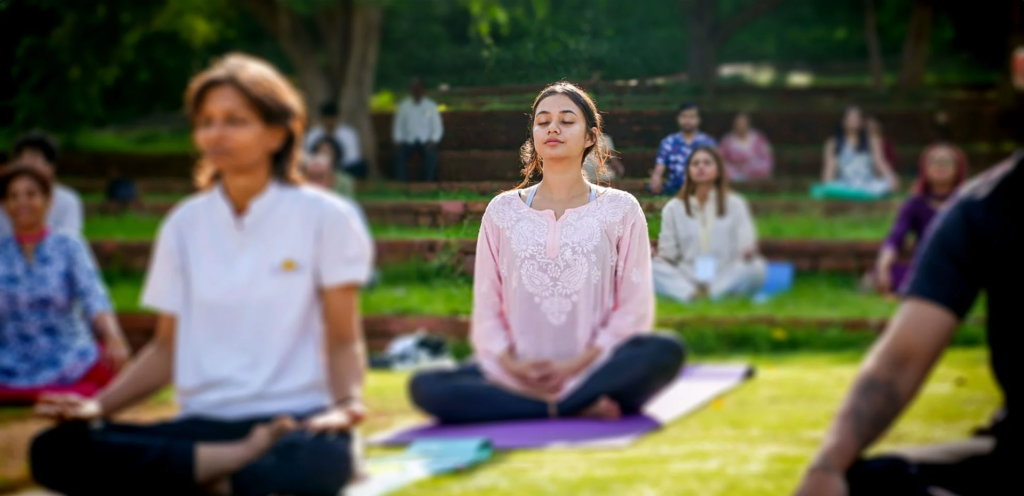
Meditation has existed for thousands of years, but its role in modern life has evolved. Today, it is not limited to spiritual traditions or quiet retreats. It is a practical tool that anyone can use to improve mental clarity and emotional balance.
In simple terms, meditation is the practice of focusing your attention and becoming aware of your thoughts without getting lost in them. It allows you to observe your mind rather than be controlled by it.
In a world filled with distractions, this ability is incredibly valuable. It helps you create space between your thoughts and your reactions, allowing you to respond to situations more calmly and thoughtfully.
Why Your Mind Needs Meditation
Your mind is constantly processing information, often without a break. From notifications and conversations to worries about the future and reflections on the past, your thoughts rarely stop.
Over time, this mental overload can lead to stress and exhaustion. Meditation provides a way to reset your mind.
By taking even a few minutes each day to sit quietly and focus on your breath, you give your mind the opportunity to rest. This rest is essential for maintaining clarity and emotional balance.
When your mind is calm, you are better able to handle challenges and make decisions.
Breaking the Myth of “Perfect Meditation”

One of the biggest misconceptions about meditation is that you need to completely clear your mind. This belief often discourages people from starting or continuing their practice.
The truth is that your mind will wander during meditation, and that is perfectly normal. Meditation is not about stopping thoughts but about noticing them without judgment.
Each time your mind drifts and you gently bring your focus back, you are strengthening your awareness.
This process is what makes meditation effective. It is not about perfection but about practice.
Creating a Simple Meditation Routine
Starting a meditation practice does not have to be complicated. In fact, simplicity is one of the reasons meditation is so powerful.
Find a quiet place where you can sit comfortably. Close your eyes or soften your gaze. Focus on your breathing, noticing the rhythm of each inhale and exhale.
At first, you may only be able to focus for a few moments before your mind wanders. That is okay. Gently bring your attention back to your breath.
With time and consistency, your ability to stay present will improve.
The key is to make meditation a regular part of your day, even if it is just for a few minutes.
The Connection Between Breath and Calmness
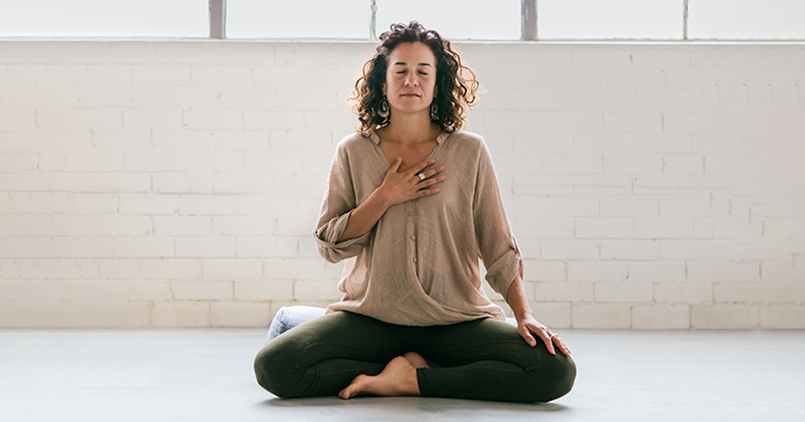
Your breath plays a central role in meditation. It is always with you, making it a reliable anchor for your attention.
When you focus on your breathing, you naturally slow it down. This sends a signal to your body to relax.
Deep, steady breathing helps reduce stress and creates a sense of calm. It also helps you stay grounded in the present moment.
By becoming more aware of your breath, you develop a simple yet effective way to manage your emotions.
Overcoming Restlessness and Distraction
It is common to feel restless or distracted when you first start meditating. You may feel the urge to move, check your phone, or think about other tasks.
These distractions are part of the process. Instead of resisting them, acknowledge them and gently return your focus to your breath.
Over time, you will notice that these distractions become less intense. Your mind will begin to settle more easily.
Patience is important. Meditation is a skill that develops gradually.
Emotional Benefits of Meditation
Meditation does more than calm your mind. It also helps you understand and manage your emotions.
By observing your thoughts and feelings without judgment, you gain insight into your emotional patterns.
This awareness allows you to respond to situations more thoughtfully rather than reacting impulsively.
As a result, you may find that you feel less stressed, more balanced, and better able to handle challenges.
Building Mental Clarity and Focus
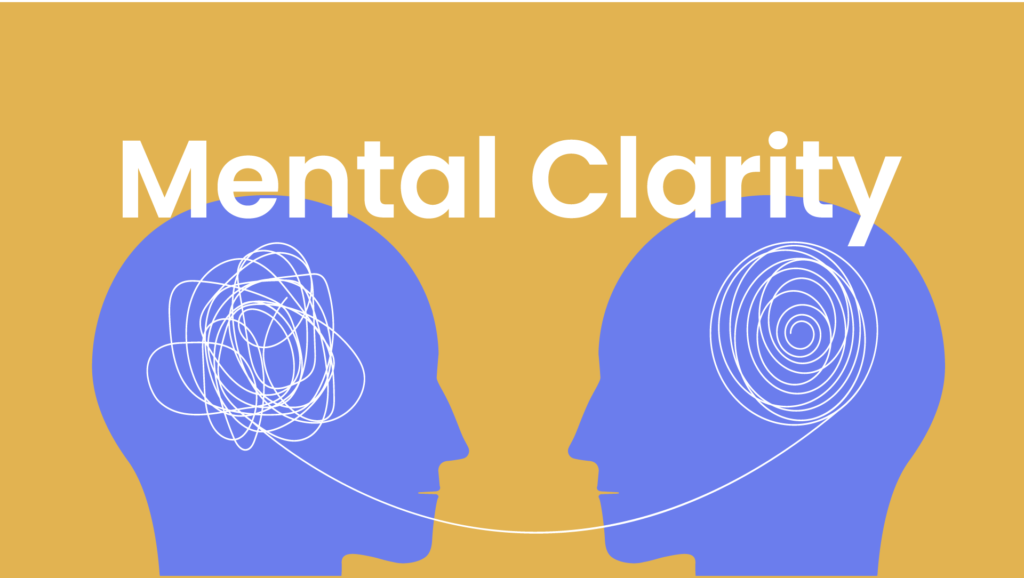
In addition to emotional benefits, meditation improves your ability to focus. In a world full of distractions, maintaining attention can be difficult.
Meditation trains your mind to stay present. This increased focus can improve your productivity and decision-making.
When your mind is clear, you are better able to prioritize tasks and think creatively.
This clarity extends beyond meditation and influences other areas of your life.
Integrating Meditation into Daily Life
Meditation does not have to be limited to a specific time or place. You can incorporate mindfulness into your daily activities.
Pay attention to your surroundings while walking, notice the taste of your food while eating, or focus on your breath during moments of stress.
These small moments of awareness help you stay connected to the present.
By integrating meditation into your routine, you create a more mindful and balanced way of living.
The Long-Term Impact of Meditation

The benefits of meditation become more noticeable over time. With consistent practice, you may experience a greater sense of calm, improved focus, and better emotional control.
You may also develop a deeper understanding of yourself and your thought patterns.
This self-awareness can lead to personal growth and a more fulfilling life.
Meditation is not a quick fix. It is a long-term practice that supports your overall well-being.
Transforming Your Life Through Meditation
Meditation has the power to transform your life in subtle but meaningful ways. It changes how you think, feel, and respond to the world around you.
Instead of being overwhelmed by stress, you learn to approach challenges with calmness and clarity.
Instead of reacting impulsively, you respond with intention.
These changes may seem small, but they have a significant impact over time.
By committing to meditation, you create a foundation for a more peaceful and balanced life.
Staying Consistent on Your Journey

Consistency is one of the most important aspects of meditation. It is better to meditate for a few minutes each day than to practice for a long time occasionally.
Building a habit takes time, but the effort is worth it.
There may be days when you feel unmotivated or distracted. During these times, remind yourself of why you started.
Even a short session can make a difference.
By staying consistent, you allow meditation to become a natural part of your life.
Conclusion
Meditation is a simple yet powerful practice that can help you calm your mind and transform your life. In a world filled with distractions and demands, it provides a way to reconnect with yourself and find inner peace.
You do not need to be perfect or experienced to start meditating. All you need is the willingness to pause and be present.
With time, patience, and consistency, meditation can improve your mental clarity, emotional balance, and overall well-being.
It is not just a practice but a way of living that supports a healthier and more fulfilling life.
FAQs
1. What is meditation and how does it work?
Meditation is the practice of focusing your attention and becoming aware of your thoughts, which helps calm the mind and reduce stress.
2. How long should I meditate daily?
You can start with a few minutes a day and gradually increase the time as you become more comfortable with the practice.
3. Is it normal to have thoughts during meditation?
Yes, it is completely normal. Meditation is about observing thoughts, not eliminating them.
4. Can meditation improve mental health?
Yes, meditation can reduce stress, improve focus, and help manage emotions more effectively.
5. How long does it take to see results from meditation?
Some benefits can be felt immediately, while others develop over time with consistent practice.

Heal from Within: The New Path to Emotional Freedom
There comes a point in life when you realize that no external change can truly…

Choose Yourself First: The New Self-Love Revolution
There was a time when choosing yourself was often misunderstood. It was seen as selfish,…

Spiritual Awakening: How to Connect with Your Higher Self
In today’s fast-moving world, many people are beginning to feel a quiet pull toward something…

Mindfulness Mastery: How to Live Fully in the Present Moment
In a time when life feels faster than ever, many people find themselves constantly thinking…

How to Find Your Life Purpose and Follow It with Confidence
In a world full of distractions, expectations, and constant noise, it is easy to feel…

Emotional Intelligence Secrets for Better Decisions and Relationships
In a world where quick reactions and constant communication define our daily lives, understanding emotions…