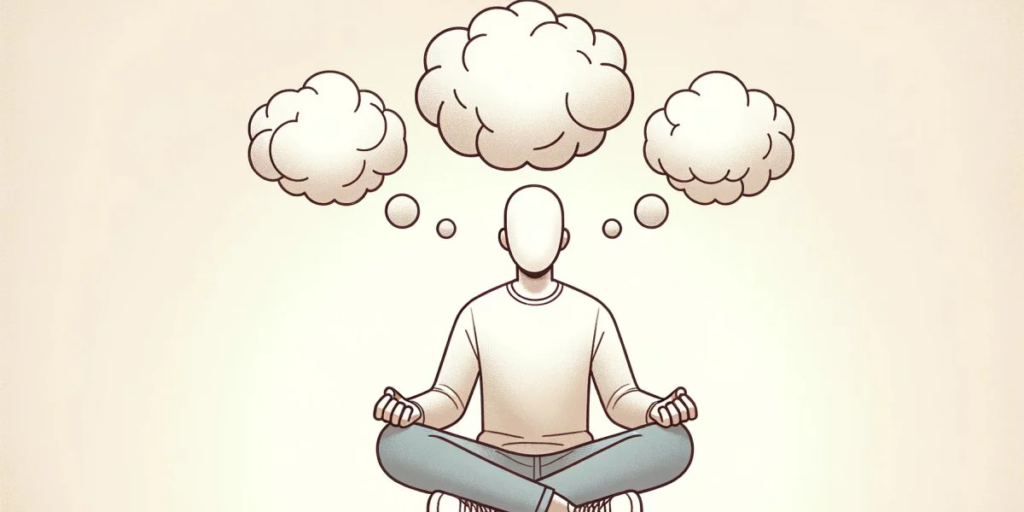

In a time when life feels faster than ever, many people find themselves constantly thinking about what comes next or replaying what has already happened. The mind rarely rests. It jumps from one thought to another, often creating stress, anxiety, and a sense of disconnection. This is why mindfulness has become such a powerful and necessary practice. As interest continues to rise on platforms like Google, more individuals are discovering the importance of living in the present moment.
Mindfulness is not about escaping reality or avoiding responsibilities. It is about fully experiencing life as it unfolds, without being overwhelmed by thoughts about the past or future. When you practice mindfulness, you learn to observe your thoughts and feelings without judgment. This simple shift in awareness can transform how you experience your daily life.
Understanding the Essence of Mindfulness

Mindfulness is often described as the practice of being present, but its meaning goes deeper than that. It involves paying attention to your thoughts, emotions, and surroundings with a sense of curiosity and acceptance.
Instead of reacting automatically, mindfulness allows you to respond consciously. It creates a space between what you experience and how you react to it.
This awareness helps you break free from patterns of overthinking and emotional reactivity. It allows you to experience life more clearly and with greater intention.
When you understand the essence of mindfulness, you begin to see that it is not something you do occasionally. It is a way of living.

Heal from Within: The New Path to Emotional Freedom
There comes a point in life when you realize that no external change can truly…

Choose Yourself First: The New Self-Love Revolution
There was a time when choosing yourself was often misunderstood. It was seen as selfish,…

Spiritual Awakening: How to Connect with Your Higher Self
In today’s fast-moving world, many people are beginning to feel a quiet pull toward something…

How to Find Your Life Purpose and Follow It with Confidence
In a world full of distractions, expectations, and constant noise, it is easy to feel…

Emotional Intelligence Secrets for Better Decisions and Relationships
In a world where quick reactions and constant communication define our daily lives, understanding emotions…

Master Meditation: The Ultimate Guide to Calm Your Mind and Transform Your Life
In a world where everything moves quickly and demands constant attention, finding a sense of…
Why Living in the Present Moment Matters
Many of the challenges people face come from being mentally absent. Worrying about the future can create anxiety, while dwelling on the past can lead to regret.
The present moment is the only place where life actually happens. Yet, it is often overlooked.
When you focus on the present, you reduce mental clutter and create a sense of calm. You become more aware of your surroundings, your actions, and your emotions.
This awareness improves your ability to handle challenges and enjoy simple moments.
Living in the present does not mean ignoring the past or future. It means not letting them control your current experience.
The Connection Between Mindfulness and Inner Peace

Inner peace is not something that comes from external circumstances. It is created within you.
Mindfulness plays a key role in cultivating this peace. By observing your thoughts without judgment, you reduce their power over you.
Instead of getting caught up in negative thinking, you learn to let thoughts come and go.
This process creates a sense of calm and stability, even in difficult situations.
Over time, mindfulness helps you develop a deeper sense of peace that is not easily disturbed.
Breaking Free from Autopilot Living
Many people go through their days on autopilot. They perform tasks, engage in conversations, and make decisions without being fully present.
This way of living can lead to a sense of emptiness and disconnection.
Mindfulness helps you break free from this pattern. It encourages you to pay attention to your actions and experiences.
When you are fully present, even simple activities become more meaningful. Eating, walking, or having a conversation can feel more engaging and enjoyable.
This shift transforms ordinary moments into meaningful experiences.
Developing Awareness of Your Thoughts

Your thoughts have a powerful influence on how you feel and act. However, not all thoughts are accurate or helpful.
Mindfulness teaches you to observe your thoughts rather than identify with them.
This awareness allows you to recognize patterns of thinking that may be causing stress or negativity.
By seeing your thoughts clearly, you gain the ability to choose how you respond to them.
This process helps you develop a healthier relationship with your mind.
Embracing Your Emotions Without Judgment
Emotions are a natural part of being human, yet many people try to avoid or suppress them.
Mindfulness encourages you to acknowledge your emotions without judgment.
Instead of labeling feelings as good or bad, you simply observe them.
This acceptance allows emotions to pass more naturally. It reduces the intensity of negative feelings and helps you stay balanced.
By embracing your emotions, you create a deeper sense of self-understanding.
The Role of Breathing in Mindfulness

Breathing is one of the simplest and most effective ways to practice mindfulness. It is always available and can be used in any situation.
Focusing on your breath brings your attention to the present moment. It helps calm your mind and relax your body.
Slow, deep breathing reduces stress and creates a sense of stability.
By making breathing a part of your mindfulness practice, you develop a reliable way to stay grounded.
Bringing Mindfulness into Daily Activities
Mindfulness does not have to be limited to meditation. It can be integrated into your daily routine.
Pay attention to how you move, speak, and interact with others. Notice the details of your environment and the sensations in your body.
These small moments of awareness help you stay connected to the present.
Over time, mindfulness becomes a natural part of your daily life.
This integration makes it easier to maintain a sense of calm and focus.
Overcoming Distractions and Mental Noise

Distractions are a common challenge in modern life. Technology, responsibilities, and constant stimulation can make it difficult to stay present.
Mindfulness helps you manage these distractions by training your attention.
When your mind wanders, gently bring it back to the present moment.
This practice strengthens your ability to focus and reduces the impact of external distractions.
With time, you become more in control of where your attention goes.
Building Consistency in Your Practice
Consistency is essential for mastering mindfulness. Practicing regularly helps you develop and maintain awareness.
You do not need long sessions to see results. Even a few minutes each day can make a difference.
The key is to make mindfulness a habit.
Choose a time that works for you and commit to practicing regularly.
Over time, this consistency leads to lasting change.
The Impact of Mindfulness on Relationships

Mindfulness not only benefits your inner life but also improves your relationships.
When you are present, you listen more attentively and respond more thoughtfully.
This creates deeper connections and reduces misunderstandings.
Mindfulness helps you communicate with clarity and empathy.
It also allows you to manage conflicts more effectively.
By being fully present with others, you strengthen your relationships.
Cultivating Gratitude Through Mindfulness
Mindfulness naturally leads to a greater sense of gratitude. When you are present, you become more aware of the positive aspects of your life.
You notice small moments of joy that might otherwise go unnoticed.
This awareness shifts your focus from what is lacking to what is already present.
Gratitude enhances your overall well-being and creates a more positive outlook.
By combining mindfulness with gratitude, you deepen your appreciation for life.
Transforming Your Life Through Mindfulness

Mindfulness has the power to transform your life in profound ways. It changes how you think, feel, and interact with the world.
Instead of being overwhelmed by stress, you learn to approach situations with calmness and clarity.
Instead of reacting impulsively, you respond with intention.
These changes may seem subtle at first, but they have a lasting impact.
With continued practice, mindfulness becomes a foundation for a more balanced and fulfilling life.
Conclusion
Mindfulness mastery is not about achieving perfection. It is about developing awareness and learning to live fully in the present moment.
In a world filled with distractions and constant demands, mindfulness offers a way to reconnect with yourself and your surroundings.
By practicing mindfulness regularly, you can reduce stress, improve focus, and enhance your overall well-being.
This journey requires patience and consistency, but the rewards are significant.
Living in the present moment allows you to experience life more deeply and meaningfully.
It is a simple yet powerful way to create a life that feels calm, balanced, and truly fulfilling.
FAQs
1. What is mindfulness?
Mindfulness is the practice of being fully present and aware of your thoughts, emotions, and surroundings without judgment.
2. How can I start practicing mindfulness?
You can start by focusing on your breathing, observing your thoughts, and paying attention to your daily activities.
3. Can mindfulness reduce stress?
Yes, mindfulness helps calm the mind, reduce overthinking, and improve emotional balance.
4. How long does it take to master mindfulness?
Mindfulness is an ongoing practice. You can experience benefits quickly, but mastery develops over time.
5. Is mindfulness the same as meditation?
Meditation is a form of mindfulness practice, but mindfulness can also be applied to everyday activities.