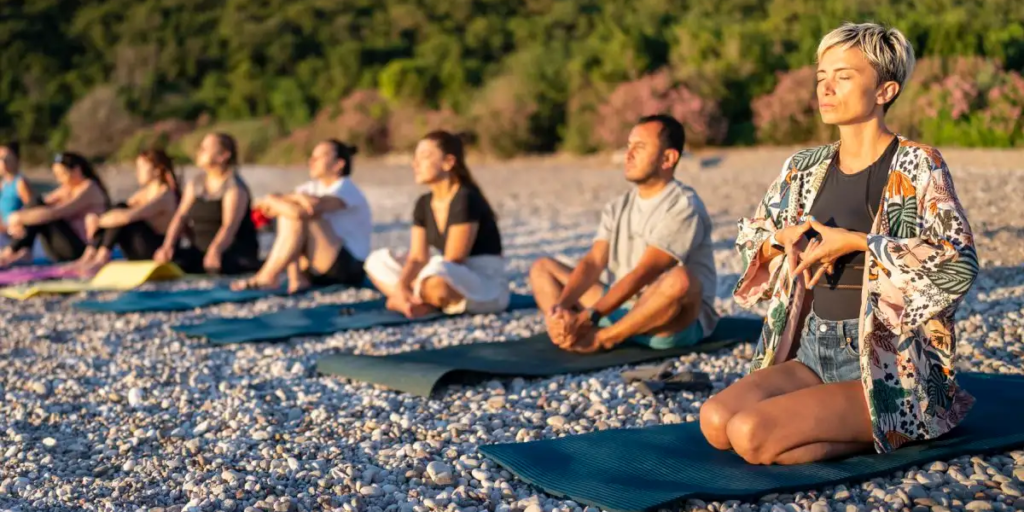
In today’s fast-moving world, meditation has quietly become one of the most searched and practiced habits for improving mental clarity, emotional balance, and overall well-being. What was once seen as a niche or spiritual-only practice has now become a mainstream solution for dealing with stress, anxiety, and the constant noise of modern life. A quick look at search patterns on platforms like Google shows just how many people are turning to meditation to find calm and clarity in their daily routines.
The growing popularity of meditation is not surprising. People are overwhelmed, constantly connected, and often mentally exhausted. Meditation offers a simple yet powerful way to pause, breathe, and reconnect with oneself. The most searched meditation techniques in 2026 reflect this need for balance, showing that individuals are not just curious but actively seeking methods that work in real life.
Understanding Meditation in the Modern World
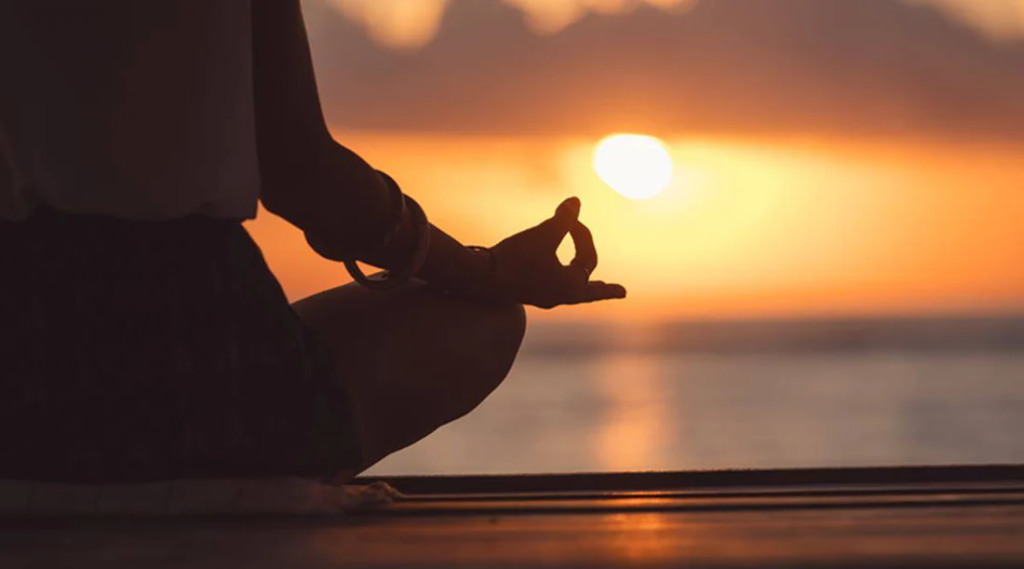
Meditation today is no longer limited to sitting in silence for long periods. It has evolved into a flexible practice that can fit into almost any lifestyle. This shift is one of the reasons why more people are searching for meditation techniques than ever before.
At its core, meditation is about awareness. It is about observing your thoughts without getting caught up in them. This awareness creates space between you and your reactions, allowing you to respond to situations more calmly and thoughtfully.
Modern meditation techniques are designed to be practical. They focus on helping people manage everyday challenges rather than escaping from reality. This makes meditation more accessible and relatable to a wider audience.
Mindfulness Meditation and Present Awareness
One of the most searched meditation techniques is mindfulness meditation. This practice focuses on bringing your attention to the present moment. Instead of worrying about the past or future, you learn to fully experience what is happening right now.
Mindfulness meditation often involves focusing on your breath, bodily sensations, or the environment around you. When your mind starts to wander, which it naturally will, you gently bring your attention back.
This technique is especially popular because it can be practiced anywhere. Whether you are sitting at home, walking outside, or even working, mindfulness can become part of your daily life.
The simplicity of this method makes it one of the most effective ways to reduce stress and improve focus.
Guided Meditation for Beginners
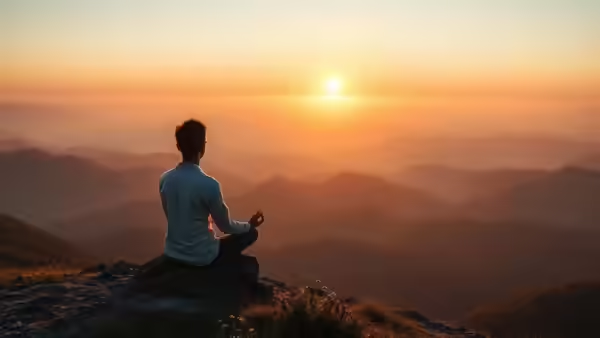
For those who find it difficult to meditate on their own, guided meditation has become a highly searched option. In this technique, a voice leads you through the meditation process, helping you stay focused and relaxed.
Guided meditation often includes visualization, calming instructions, and gentle reminders to stay present. It is especially helpful for beginners who may struggle with distractions.
This method removes the pressure of figuring out what to do during meditation. Instead, it allows you to follow along and gradually become more comfortable with the practice.
As a result, guided meditation has become one of the easiest entry points into the world of meditation.
Breathing Meditation for Instant Calm
Another widely searched technique is breathing meditation. This method focuses entirely on the breath, using it as an anchor to calm the mind.
By paying attention to each inhale and exhale, you can slow down your thoughts and create a sense of relaxation. Breathing meditation is particularly effective for reducing anxiety and managing stress.
What makes this technique so appealing is its immediacy. You do not need any special tools or environment. You can practice it anytime you feel overwhelmed.
This simplicity has made breathing meditation one of the most popular choices for people with busy lifestyles.
Body Scan Meditation for Deep Relaxation

Body scan meditation is another technique gaining popularity in search trends. This practice involves focusing your attention on different parts of your body, usually starting from the head and moving down to the toes.
As you bring awareness to each area, you notice any tension or discomfort and consciously relax those muscles. This creates a deep sense of physical and mental relaxation.
Body scan meditation is particularly useful for those who carry stress in their bodies. It helps release tension and improve overall awareness.
This technique also encourages a stronger connection between the mind and body, which is essential for holistic well-being.
Loving-Kindness Meditation and Emotional Healing
In 2026, many people are searching for meditation techniques that go beyond relaxation and focus on emotional healing. Loving-kindness meditation is one such practice.
This technique involves silently repeating phrases that express goodwill, compassion, and kindness toward yourself and others. It helps cultivate positive emotions and reduce feelings of anger or resentment.
Loving-kindness meditation is especially powerful for improving relationships and building a sense of connection. It shifts the focus from negativity to compassion.
As emotional well-being becomes a priority, this technique is gaining more attention and popularity.
Visualization Meditation for Clarity and Focus
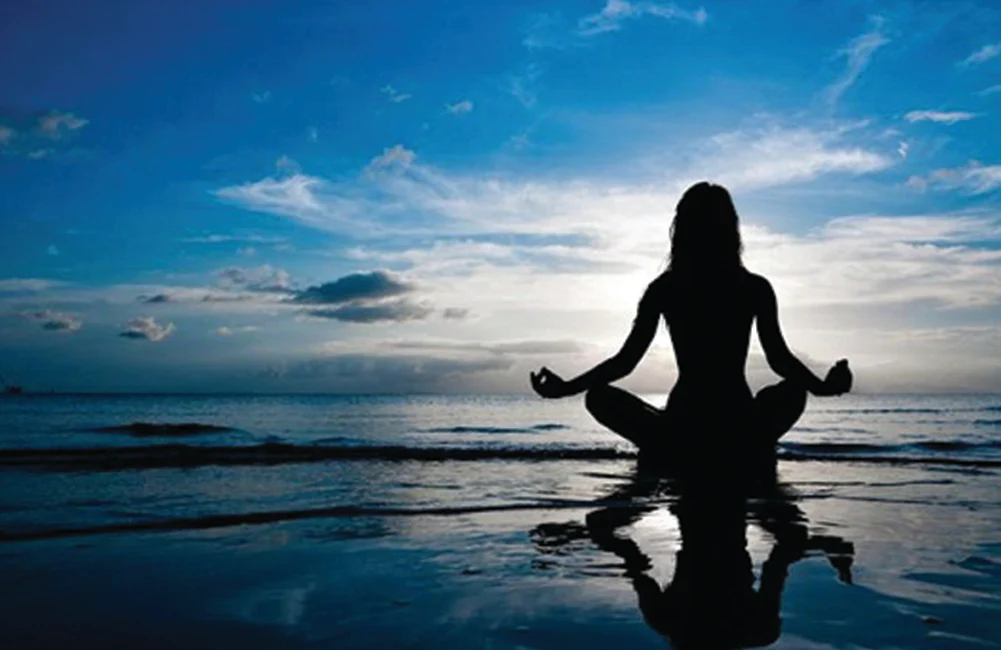
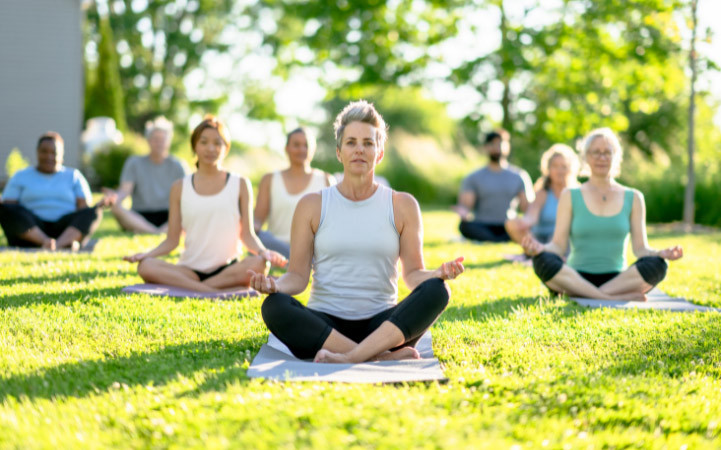
Visualization meditation is another technique that people are increasingly interested in. This practice involves imagining a peaceful scene or a desired outcome in detail.
By visualizing positive scenarios, you can create a sense of calm and motivation. This technique is often used for goal setting, stress relief, and building confidence.
Visualization meditation combines imagination with relaxation, making it both effective and engaging. It allows individuals to create a mental space where they feel safe and focused.
This approach is particularly appealing to those who prefer a more active form of meditation.
The Role of Consistency in Meditation
While there are many techniques to choose from, one of the most important factors in meditation is consistency. People often search for the best method, but the real key lies in regular practice.
Meditation does not require long sessions to be effective. Even a few minutes each day can make a significant difference over time.
Consistency helps train the mind to become more focused and calm. It also allows you to experience the long-term benefits of meditation.
This understanding is encouraging more people to incorporate meditation into their daily routines.
Overcoming Common Challenges in Meditation
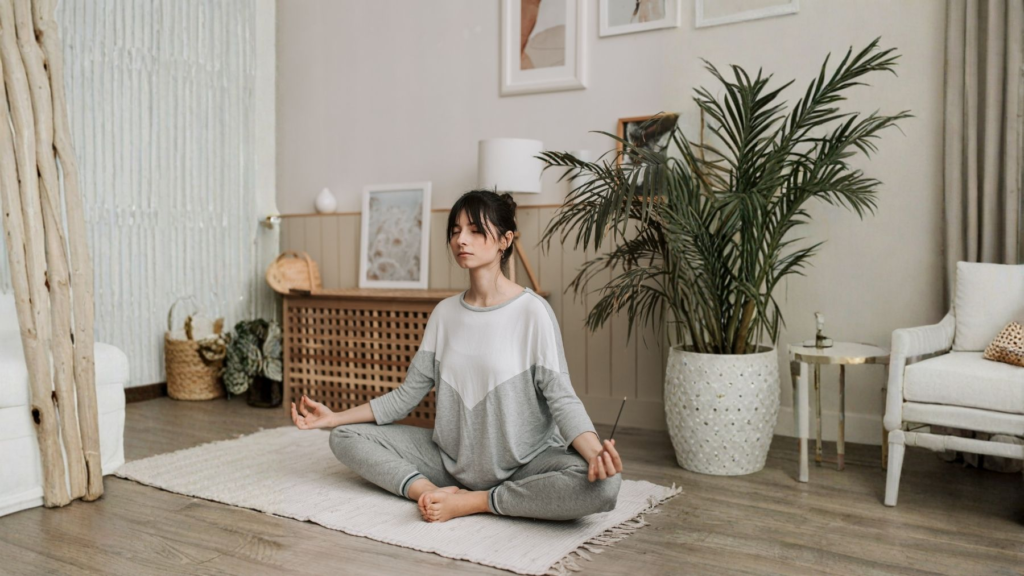
Many beginners face challenges when starting meditation. One of the most common issues is the inability to stop thinking. However, meditation is not about eliminating thoughts. It is about observing them without attachment.
Another challenge is maintaining focus. This is completely normal and part of the process. With practice, it becomes easier to stay present.
Time constraints can also be a barrier. However, meditation does not require a large time commitment. Short sessions can be just as effective when practiced regularly.
Understanding these challenges helps individuals approach meditation with realistic expectations.
Integrating Meditation into Daily Life
In 2026, meditation is no longer seen as a separate activity. People are finding ways to integrate it into their daily lives.
This includes mindful breathing during breaks, short meditation sessions in the morning, or even practicing awareness during routine tasks.
By making meditation a part of everyday life, it becomes more sustainable and effective.
This integration is one of the reasons why meditation continues to grow in popularity.
Conclusion
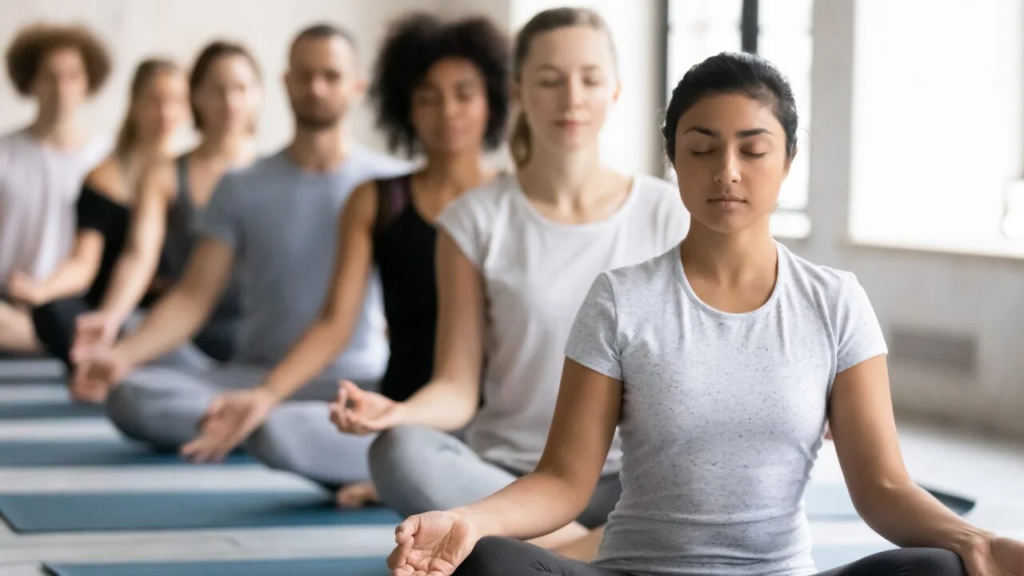
The most searched meditation techniques in 2026 reflect a growing desire for balance, clarity, and inner peace. From mindfulness and guided meditation to breathing exercises and visualization, these practices offer different ways to achieve the same goal.
Meditation is not about perfection. It is about showing up, being present, and allowing yourself to experience the moment as it is.
As more people continue to explore these techniques, meditation is becoming a powerful tool for improving mental and emotional well-being.
The journey of meditation is personal, and there is no single right way to practice. What matters most is finding a technique that resonates with you and making it a consistent part of your life.
FAQs
1. What is the easiest meditation technique for beginners?
Guided meditation is often the easiest because it provides step-by-step instructions and helps maintain focus.
2. How long should I meditate each day?
Even 5 to 10 minutes a day can be effective, especially when practiced consistently.
3. Can meditation reduce stress and anxiety?
Yes, many meditation techniques are specifically designed to calm the mind and reduce stress.
4. Do I need a quiet place to meditate?
While a quiet place can help, meditation can be practiced anywhere with enough focus.
5. How long does it take to see results from meditation?
Some benefits can be felt immediately, while others develop over time with regular practice.

Heal from Within: The New Path to Emotional Freedom
There comes a point in life when you realize that no external change can truly…

Choose Yourself First: The New Self-Love Revolution
There was a time when choosing yourself was often misunderstood. It was seen as selfish,…

Spiritual Awakening: How to Connect with Your Higher Self
In today’s fast-moving world, many people are beginning to feel a quiet pull toward something…
Mindfulness Mastery: How to Live Fully in the Present Moment
In a time when life feels faster than ever, many people find themselves constantly thinking…

How to Find Your Life Purpose and Follow It with Confidence
In a world full of distractions, expectations, and constant noise, it is easy to feel…

Emotional Intelligence Secrets for Better Decisions and Relationships
In a world where quick reactions and constant communication define our daily lives, understanding emotions…