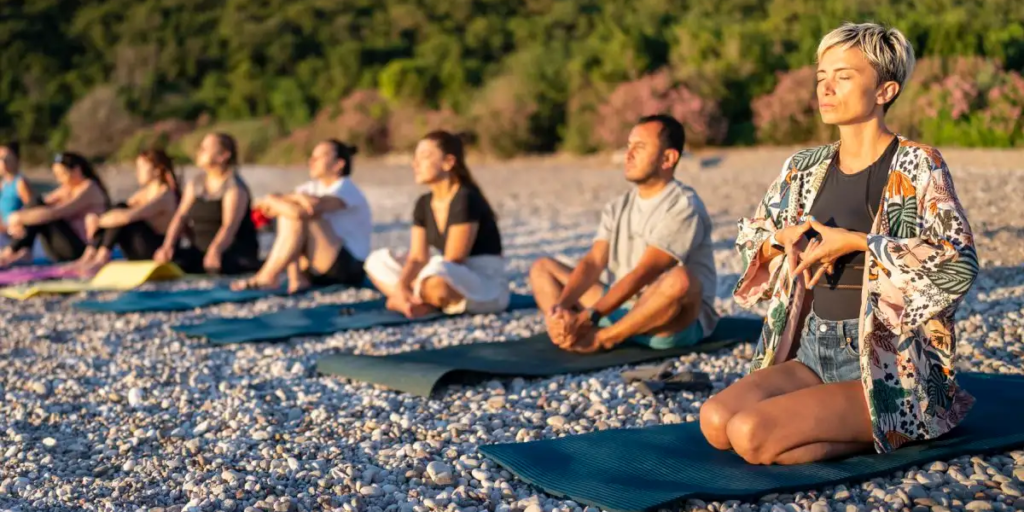

In today’s fast-paced world, it is easy to feel overwhelmed, distracted, and disconnected from yourself. The constant flow of information, responsibilities, and expectations can take a toll on your mental, physical, and emotional well-being. This is where meditation becomes more than just a practice—it becomes a way of life. Meditation offers a powerful path to reconnect with yourself, find inner peace, and create balance across your mind, body, and soul.
Meditation is not about escaping reality or becoming someone entirely different. It is about becoming more aware of your thoughts, your emotions, and your inner state. It is a gentle yet transformative practice that allows you to slow down and experience life with clarity and presence. Whether you are a beginner or someone looking to deepen your practice, understanding meditation in a holistic way can help you unlock its full potential.
Understanding Meditation and Its True Purpose
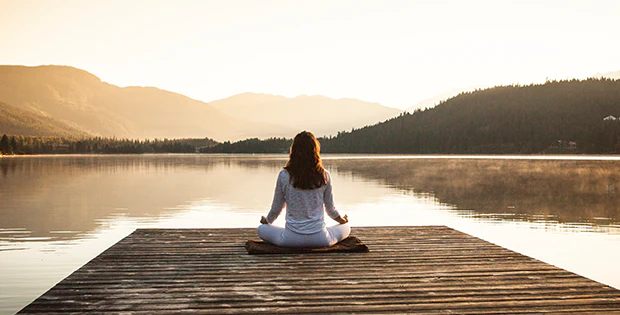
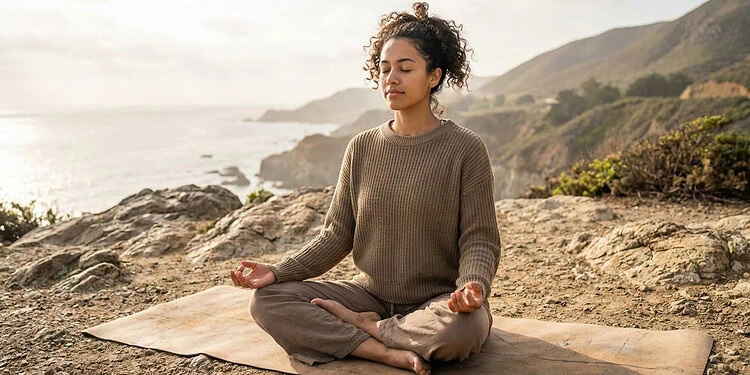
Meditation is often misunderstood as simply sitting quietly with your eyes closed. While that is one form of meditation, the true purpose goes much deeper. Meditation is the practice of training your mind to become more focused, aware, and present.
At its core, meditation is about observing your thoughts without judgment. Instead of getting caught up in worries about the past or future, you learn to anchor yourself in the present moment. This awareness creates space between you and your thoughts, allowing you to respond to situations more calmly and thoughtfully.
Meditation is not about stopping your thoughts completely. It is about changing your relationship with them. Over time, this shift can lead to a sense of inner calm and clarity that carries into every aspect of your life.
The Connection Between Mind, Body, and Soul
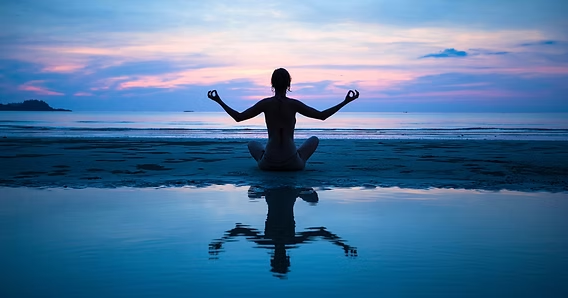
Meditation works on multiple levels, influencing not just your mind but also your body and soul. These three aspects are deeply interconnected, and when one is out of balance, it affects the others.
Your mind is constantly processing thoughts, emotions, and experiences. When your mind is cluttered or stressed, it can lead to physical tension and emotional exhaustion. Meditation helps calm the mind, reducing stress and promoting mental clarity.
Your body responds to your mental state. Stress and anxiety can manifest as fatigue, headaches, or muscle tension. Through meditation, your body enters a state of relaxation, allowing it to heal and restore itself.
Getting Started with Meditation
Starting a meditation practice can feel intimidating, especially if you are unsure where to begin. The key is to keep it simple and approachable.
Find a quiet space where you can sit comfortably without distractions. You do not need any special equipment or a perfect environment. What matters most is your willingness to be present.
Begin by focusing on your breath. Notice the sensation of air entering and leaving your body. If your mind starts to wander, gently bring your attention back to your breath. This process of returning your focus is the essence of meditation.
Start with just a few minutes each day. As you become more comfortable, you can gradually increase the duration. Consistency is more important than length.
Different Types of Meditation Practices
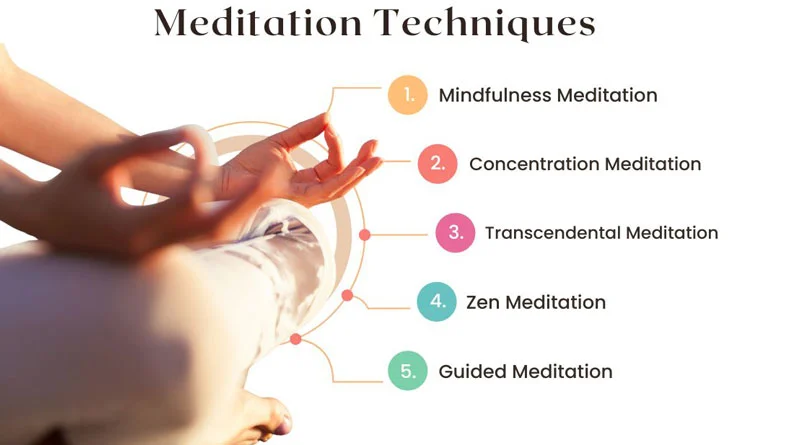
There are many forms of meditation, each offering unique benefits. Exploring different techniques can help you find what resonates with you.
Mindfulness meditation focuses on being present and aware of your thoughts, feelings, and surroundings. It encourages you to observe without judgment.
Breathing meditation centers around your breath, helping you develop focus and relaxation. It is one of the simplest and most effective techniques for beginners.
Loving-kindness meditation involves directing positive thoughts and compassion toward yourself and others. This practice can enhance emotional well-being and strengthen relationships.
Guided meditation involves listening to a voice that leads you through the process. It can be especially helpful if you are new to meditation or find it difficult to focus on your own.
Each type of meditation offers a different pathway to awareness and growth. The key is to choose a practice that feels natural and supportive.

Heal from Within: The New Path to Emotional Freedom
There comes a point in life when you realize that no external change can truly…

Choose Yourself First: The New Self-Love Revolution
There was a time when choosing yourself was often misunderstood. It was seen as selfish,…

Spiritual Awakening: How to Connect with Your Higher Self
In today’s fast-moving world, many people are beginning to feel a quiet pull toward something…
The Benefits of Meditation for the Mind
Meditation has a profound impact on your mental well-being. It helps reduce stress by calming the constant stream of thoughts that often lead to anxiety.
Regular meditation improves focus and concentration. By training your mind to stay present, you become more productive and efficient in your daily tasks.
It also enhances emotional regulation. Instead of reacting impulsively, you develop the ability to respond thoughtfully. This leads to better decision-making and healthier relationships.
Meditation encourages a positive mindset by helping you let go of negative thought patterns. Over time, you develop a more balanced and optimistic outlook on life.
The Benefits of Meditation for the Body
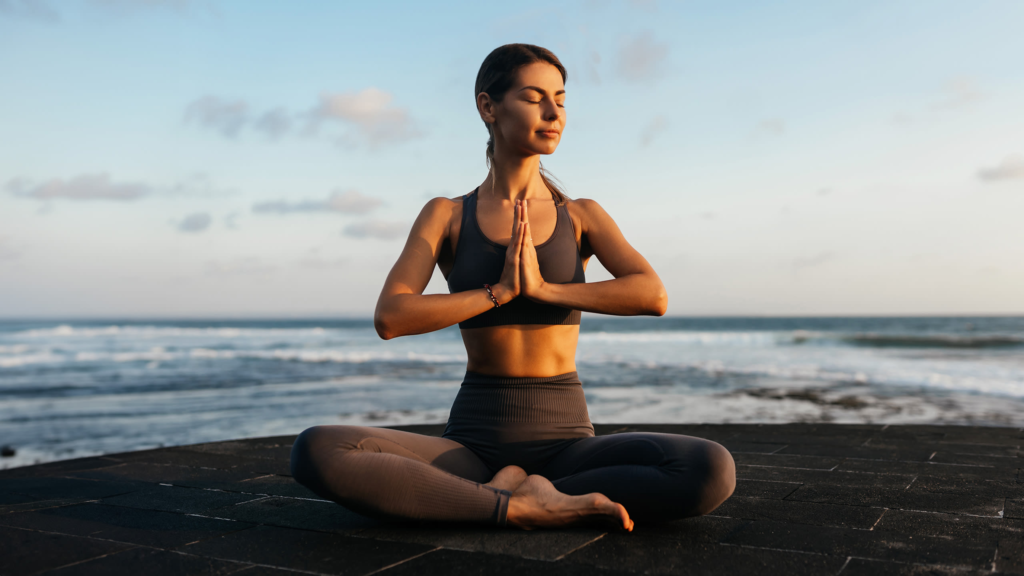
The physical benefits of meditation are equally significant. When you meditate, your body enters a state of deep relaxation, which helps reduce stress-related symptoms.
Meditation can lower blood pressure, improve sleep quality, and boost your immune system. It allows your body to recover from the effects of stress and fatigue.
It also promotes better breathing patterns, which can increase energy levels and overall vitality. By calming your nervous system, meditation creates a sense of physical ease and comfort.
Over time, these benefits contribute to a healthier and more balanced body.
The Benefits of Meditation for the Soul
Meditation nourishes your inner self by creating a space for reflection and connection. It allows you to step away from external distractions and focus on what truly matters.
Through meditation, you can develop a deeper understanding of yourself and your purpose. This connection brings a sense of fulfillment and inner peace.
Meditation also fosters compassion and empathy. As you become more aware of your own emotions, you develop a greater understanding of others.
This sense of connection extends beyond yourself, creating a feeling of harmony and unity with the world around you.
Overcoming Common Challenges in Meditation
Many people face challenges when starting meditation. It is common to feel restless, distracted, or unsure if you are doing it correctly.
One of the most common challenges is dealing with a busy mind. It is important to remember that wandering thoughts are normal. The goal is not to eliminate them but to gently bring your focus back.
Another challenge is finding time. Even a few minutes a day can make a difference. Integrating meditation into your routine can help make it a habit.
Patience is key. Meditation is a skill that develops over time. With consistent practice, it becomes easier and more natural.
Creating a Daily Meditation Routine
Building a routine can help you stay consistent with your practice. Choose a time of day that works best for you, whether it is in the morning, during a break, or before bedtime.
Creating a dedicated space for meditation can also enhance your experience. It does not need to be elaborate, just a place where you feel comfortable and relaxed.
Consistency is more important than perfection. Even on busy days, taking a few moments to meditate can have a positive impact.
As meditation becomes a regular part of your routine, it starts to feel less like a task and more like a natural part of your day.
Integrating Meditation into Daily Life
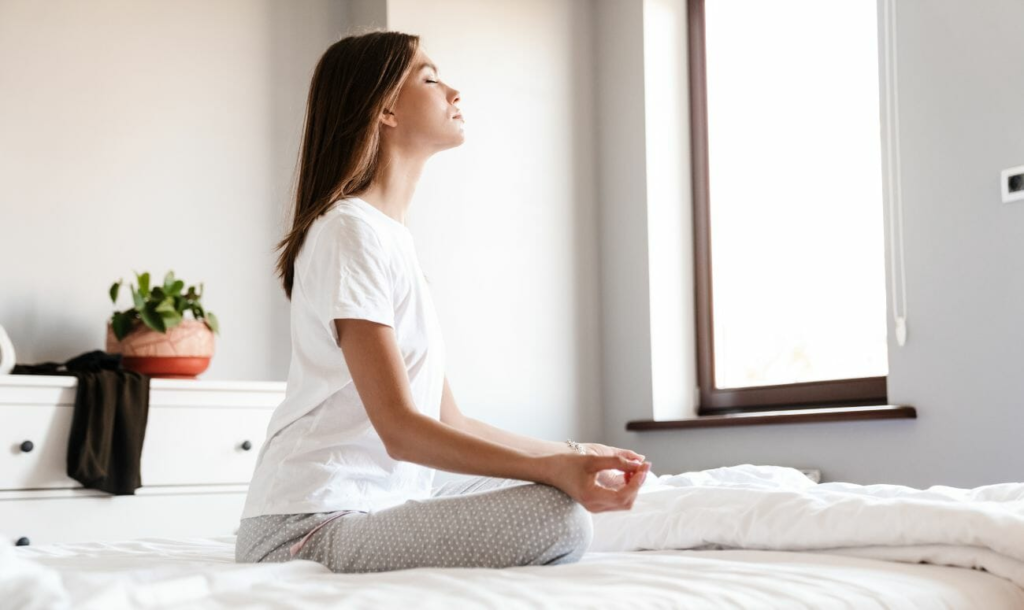
Meditation is not limited to sitting quietly. It can be integrated into your daily activities.
You can practice mindfulness while walking, eating, or even working. By paying attention to your actions and surroundings, you bring a sense of awareness to everyday moments.
This integration helps you stay present and reduces stress throughout the day. It allows you to carry the benefits of meditation into all areas of your life.
Over time, meditation becomes more than a practice. It becomes a way of living with intention and awareness.
Conclusion
Meditation is a powerful tool for achieving balance and harmony in your life. It nurtures your mind, body, and soul, creating a foundation for overall well-being.
By understanding its purpose, exploring different techniques, and practicing consistently, you can experience the transformative effects of meditation.
The journey of meditation is personal and unique. There is no right or wrong way to practice. What matters most is your commitment to being present and open to growth.
As you continue on this path, you may find that meditation not only changes how you feel but also how you experience life itself.
Frequently Asked Questions
1. What is the best time to meditate?
The best time to meditate is whenever you can be consistent. Many people prefer morning or evening, but any quiet moment works.
2. How long should I meditate as a beginner?
Beginners can start with five to ten minutes and gradually increase the duration as they become more comfortable.
3. Can meditation really reduce stress?
Yes, meditation helps calm the mind and body, which reduces stress and promotes relaxation.
4. What should I do if my mind keeps wandering?
It is normal for your mind to wander. Gently bring your focus back to your breath or point of attention without judgment.
5. Do I need any special tools or equipment for meditation?
No, meditation does not require any special tools. A quiet space and your willingness to practice are enough.