In a fast-paced world filled with constant distractions, many people are beginning to search for something deeper and more meaningful in their lives. This search often leads to spirituality. While the word itself is widely used, its meaning can feel unclear or even overwhelming, especially for beginners.
Spirituality is not about following strict rules or fitting into a specific belief system. It is a personal journey that involves exploring your inner self, understanding your purpose, and connecting with something greater than yourself. For some, that connection may be rooted in religion. For others, it may come from nature, mindfulness, or a sense of universal energy.
In 2026, spirituality has evolved into a more open and flexible concept. People are moving away from rigid definitions and embracing practices that feel authentic and meaningful to them. This guide is designed to help you understand what spirituality is, why it matters, and how you can begin your own journey in a simple and approachable way.
Understanding the True Meaning of Spirituality
At its core, spirituality is about connection. It is the process of becoming more aware of yourself and your place in the world. It involves exploring your thoughts, emotions, beliefs, and values on a deeper level.
Unlike religion, which often involves structured practices and shared beliefs, spirituality is highly individual. It does not require you to follow a specific path or set of rules. Instead, it encourages you to discover what feels true and meaningful for you.
Spirituality can be experienced in many ways. It may come through moments of reflection, a sense of peace during meditation, or a feeling of awe when you are surrounded by nature. These experiences help you connect with something beyond your everyday routine.
Why Spirituality Matters in Modern Life
Modern life can often feel overwhelming. With constant demands, digital distractions, and societal pressures, it is easy to feel disconnected from yourself. Spirituality offers a way to reconnect and find balance.
It helps you slow down and become more present. It encourages you to look beyond external achievements and focus on inner fulfillment. This shift in perspective can lead to a greater sense of peace and purpose.
Spirituality also helps you navigate challenges with more clarity. When you are grounded and connected to your inner self, it becomes easier to handle stress, uncertainty, and change.
In a world that often prioritizes productivity over well-being, spirituality reminds you of the importance of inner peace and self-awareness.
The Difference Between Spirituality and Religion
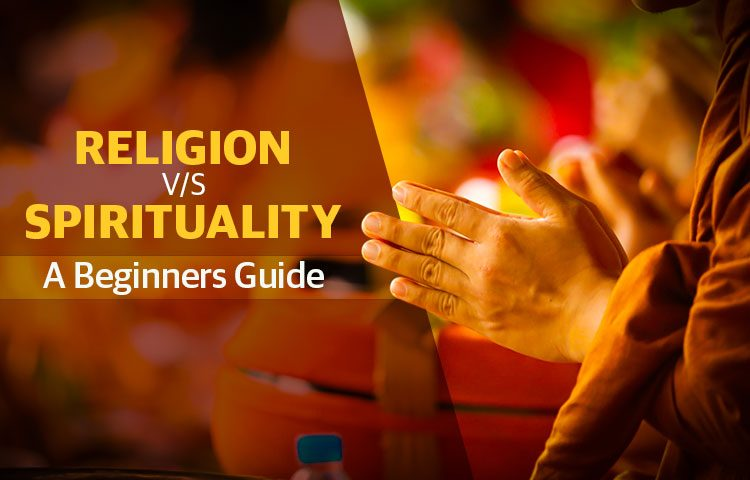
One of the most common questions beginners have is how spirituality differs from religion. While the two can overlap, they are not the same.
Religion typically involves organized beliefs, traditions, and practices that are shared by a community. It often includes guidelines on how to live and what to believe.
Spirituality, on the other hand, is more flexible and personal. It allows you to explore your beliefs without being confined to a specific system. You can be spiritual without being religious, or you can combine both if it resonates with you.
Understanding this difference can help you approach spirituality without feeling restricted or pressured.
One of the most common questions beginners have is how spirituality differs from religion. While the two can overlap, they are not the same.
Religion typically involves organized beliefs, traditions, and practices that are shared by a community. It often includes guidelines on how to live and what to believe.
Spirituality, on the other hand, is more flexible and personal. It allows you to explore your beliefs without being confined to a specific system. You can be spiritual without being religious, or you can combine both if it resonates with you.
Understanding this difference can help you approach spirituality without feeling restricted or pressured.
Beginning Your Spiritual Journey
Starting your spiritual journey does not require a major life change. It begins with small steps and a willingness to explore.
The first step is awareness. Taking time to reflect on your thoughts and feelings can help you understand yourself better. This awareness creates a foundation for deeper growth.
Curiosity is also important. Being open to new ideas and experiences allows you to discover what resonates with you. There is no right or wrong way to explore spirituality.
Patience is key as well. Spiritual growth is a gradual process. It takes time to develop a deeper connection with yourself and the world around you.
The Role of Mindfulness in Spirituality
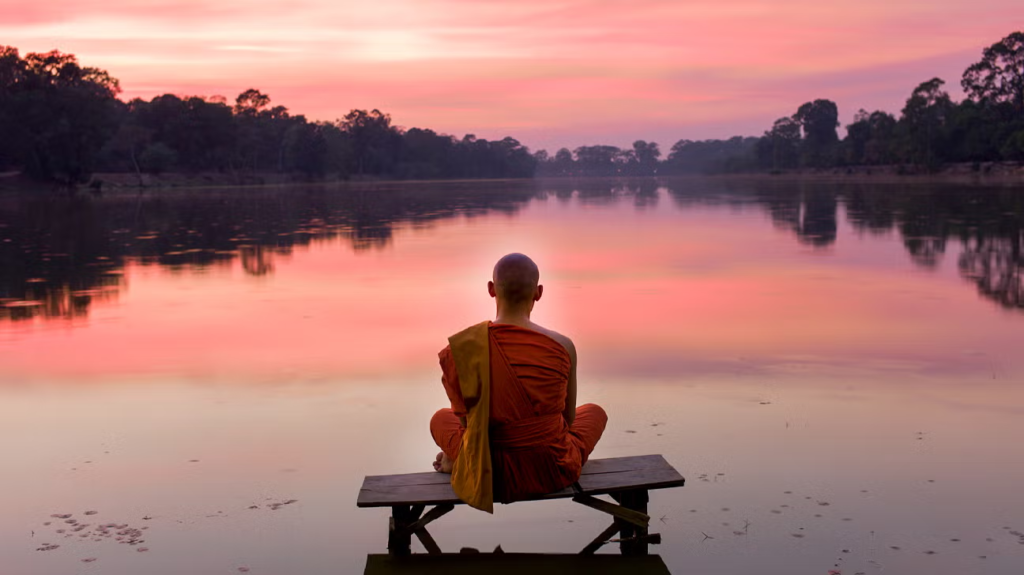
Mindfulness is one of the most accessible ways to begin your spiritual journey. It involves being fully present in the moment and aware of your thoughts and surroundings.
Practicing mindfulness can help you develop a deeper sense of awareness. It allows you to observe your thoughts without judgment and understand your emotions more clearly.
This practice can be incorporated into your daily life in simple ways. Whether you are eating, walking, or having a conversation, being present can transform ordinary moments into meaningful experiences.
Mindfulness helps you slow down and connect with the present, which is an essential aspect of spirituality.
Exploring Meditation and Inner Stillness
Meditation is another powerful tool for spiritual growth. It provides a space for quiet reflection and inner stillness.
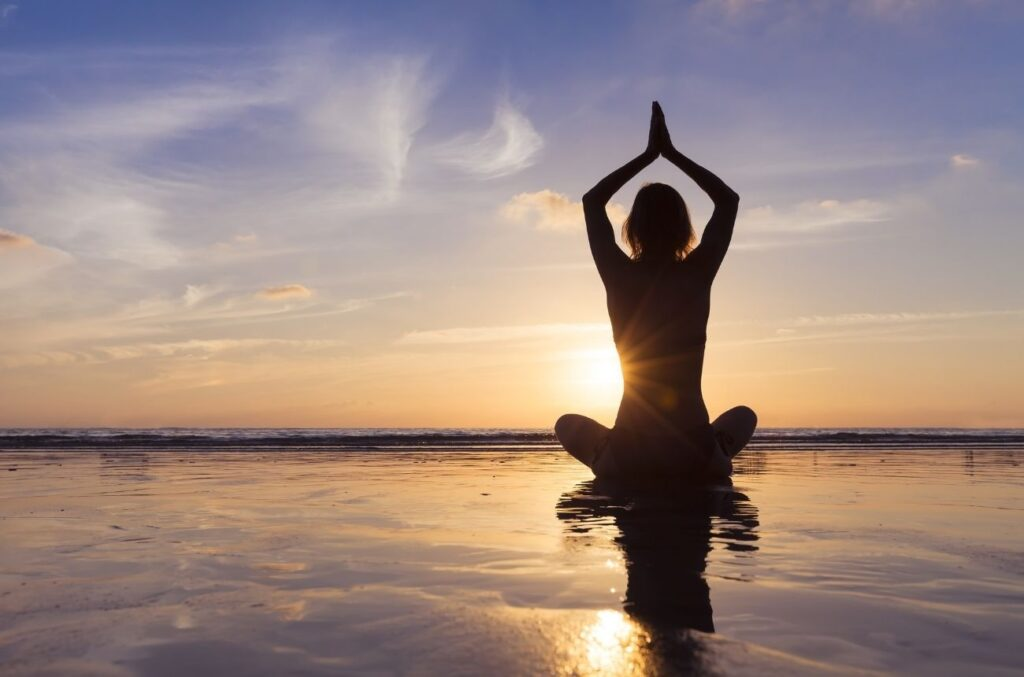
For beginners, meditation can be as simple as sitting quietly and focusing on your breath. Over time, this practice can help calm your mind and improve your ability to concentrate.
Meditation allows you to step away from constant thoughts and distractions. It creates an opportunity to connect with your inner self and gain clarity.
While it may feel challenging at first, consistency can make meditation a natural and beneficial part of your routine.
Connecting with Nature


Nature has a unique way of grounding and inspiring us. Spending time outdoors can enhance your sense of connection and bring a feeling of peace.
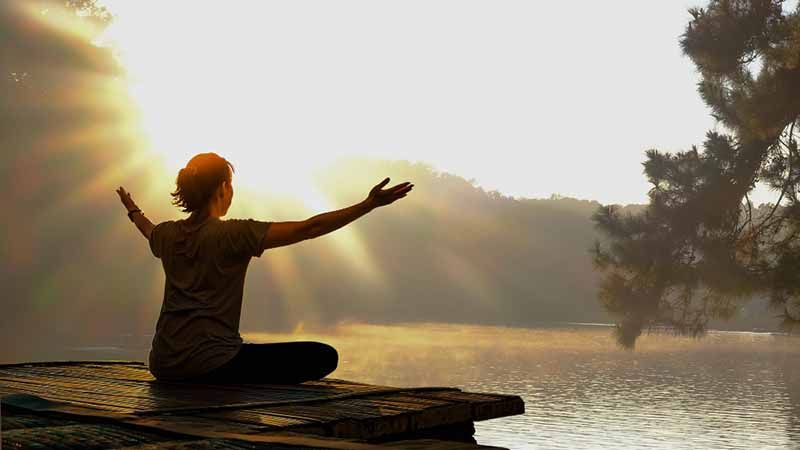
Whether it is walking in a park, sitting by the water, or simply observing the sky, nature can help you feel more present and connected.
This connection can deepen your understanding of life and your place within it. It reminds you of the beauty and simplicity that often goes unnoticed in daily life.
Incorporating nature into your routine can be a powerful way to nurture your spiritual well-being.
Developing Self-Awareness and Inner Growth
Self-awareness is at the heart of spirituality. It involves understanding your thoughts, emotions, and behaviors on a deeper level.
This awareness allows you to identify patterns and make more conscious choices. It helps you align your actions with your values and goals.
Inner growth comes from reflecting on your experiences and learning from them. It involves embracing both your strengths and your challenges.
As you become more self-aware, you develop a stronger sense of identity and purpose.
Letting Go of Limiting Beliefs

Many people carry beliefs that limit their growth and potential. These beliefs may come from past experiences, societal expectations, or self-doubt.
Spirituality encourages you to question these beliefs and let go of what no longer serves you. This process can be challenging, but it is essential for personal growth.
By releasing limiting beliefs, you create space for new perspectives and opportunities. You begin to see yourself and your life in a more positive and empowering way.
This shift can lead to greater confidence and a deeper sense of freedom.
Finding Your Own Spiritual Path
One of the most important aspects of spirituality is finding a path that feels authentic to you. There is no single way to be spiritual.
Your journey may include practices such as meditation, journaling, or spending time in nature. It may also involve exploring different philosophies or teachings.
The key is to listen to yourself and follow what resonates with you. Your path may change over time, and that is perfectly normal.
Spirituality is not about reaching a destination. It is about the ongoing journey of growth and discovery.
Integrating Spirituality into Daily Life
Spirituality does not have to be separate from your daily routine. In fact, it can be integrated into your everyday life in simple ways.
Practicing gratitude, being mindful, and approaching situations with compassion are all ways to bring spirituality into your life.
These small actions can have a significant impact on your overall well-being. They help you stay connected to your values and maintain a sense of balance.
By making spirituality a part of your daily life, it becomes a natural and meaningful aspect of your routine.
Conclusion
Spirituality is a deeply personal and transformative journey. It is about connecting with yourself, understanding your purpose, and finding meaning in your life.
In 2026, spirituality is more accessible and flexible than ever before. It allows you to explore your beliefs and practices in a way that feels authentic and fulfilling.
You do not need to have all the answers to begin. Simply being open and willing to explore is enough.
As you continue your journey, you may discover new perspectives, experiences, and insights that enrich your life.
Spirituality is not about perfection. It is about growth, awareness, and the pursuit of a deeper connection with yourself and the world around you.
Frequently Asked Questions
1.What is spirituality in simple terms?
Spirituality is the process of connecting with your inner self and exploring a deeper sense of meaning and purpose in life.
2.Do I need to follow a religion to be spiritual?
No, spirituality is a personal journey and does not require following any specific religion.
3.How can beginners start their spiritual journey?
Beginners can start by practicing mindfulness, reflecting on their thoughts, and exploring activities that promote self-awareness.
4.How long does it take to become spiritual?
Spirituality is an ongoing journey rather than a destination. It develops over time through consistent effort and reflection.
5.Can spirituality improve mental well-being?
Yes, spirituality can help reduce stress, improve self-awareness, and create a sense of peace and balance in life.